Microscopic Views of Specialty Coffee Beans
Ever wondered what makes a great specialty coffee bean look different under the lens? Whether you're a home roaster, a barista, or just curious, examining coffee beans up close reveals details you can't see with the naked eye—like density, surface texture, and processing traces. These visual cues often reflect origin, variety, and roast level, giving you insight before you even brew.
Three single-origin beans—Brazilian Yellow Bourbon, Nepalese Syanja, and Colombian Narino—show striking differences in size, color, and surface when viewed through macro photography. Each tells a story about its growing region, processing method, and potential flavor profile.
What You See in Macro Photos of Coffee Beans
Macro photography, or micro-scale imaging, captures details usually invisible to the naked eye. When applied to green coffee beans, it highlights surface texture, shape consistency, density markers, and any visible defects. These visuals help roasters assess quality and origin characteristics before roasting.
Brazil Yellow Bourbon: Medium Roast Profile in Focus
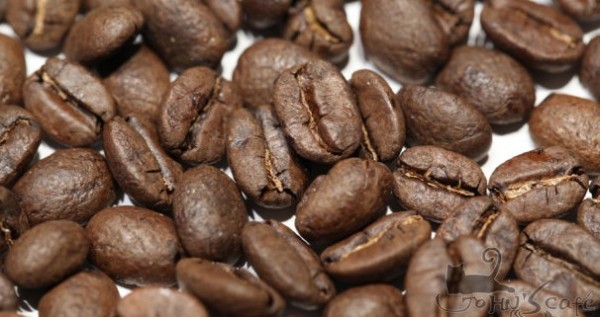
The Brazilian Yellow Bourbon bean, grown in the high-altitude regions of Brazil such as the Cerrado Mineiro or Sul de Minas, typically shows a rounded, slightly oval shape. In macro images, the surface appears smooth with moderate sheen. The color is a pale straw yellow to light green, indicating proper drying and minimal defects. This variety, when grown at elevation, develops a balanced cup with mild acidity, creamy body, and notes of caramel, nuts, and chocolate. The uniformity seen in high-quality Yellow Bourbon beans reflects careful harvesting and processing.
Nepal Syanja: Rare Himalayan-Grown Coffee Up Close
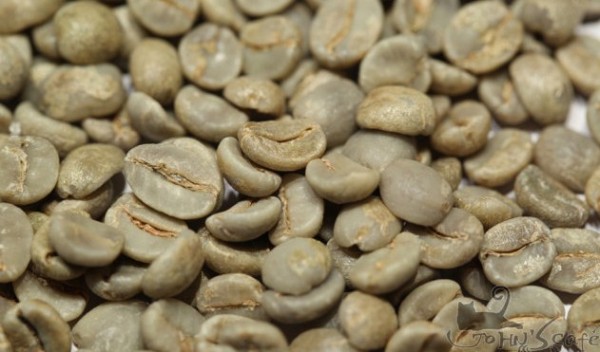
The Nepalese Syanja bean is far less common but offers a unique glimpse into high-altitude mountain-grown coffee. Sourced from the Syanja region near the Himalayas, these beans are typically small to medium in size with a slightly irregular shape. Macro images often show a deeper green hue with a matte to semi-matte surface. The beans may have slight surface ridges or texture variations due to manual processing at elevation. The region’s cool climate and extended maturation period contribute to a delicate, tea-like cup with bright acidity and complex floral or citrus notes. The uniqueness of Himalayan coffee becomes visually apparent in these close-ups.
Colombia Narino: Complex Flavor Potential Revealed
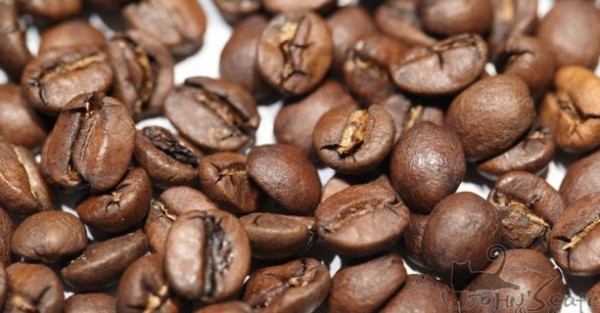
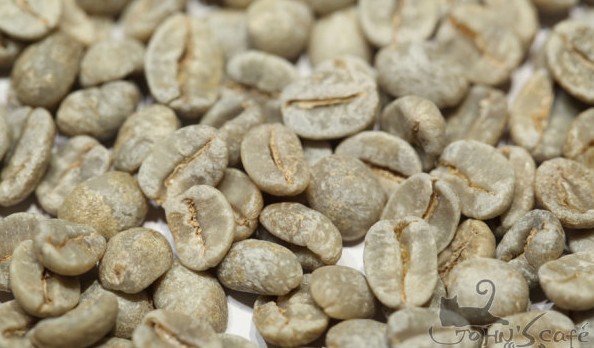
Colombian Narino beans, grown in the southwestern Narino region near the Ecuador border, are known for their density and complex profiles. In macro images, these beans usually appear vibrant green with a very consistent shape and smooth surface. The Narino region’s high altitude (1,600–2,100 meters) and volcanic soils produce beans with a tightly closed seam and fine, even texture. These visual traits often correlate with a cup featuring bright acidity, sweet undertones, and notes of red fruit, blackberry, and citrus. The uniformity and rich color visible at the micro level suggest careful cultivation and processing standards.
Why Bean Appearance Matters to Coffee Professionals
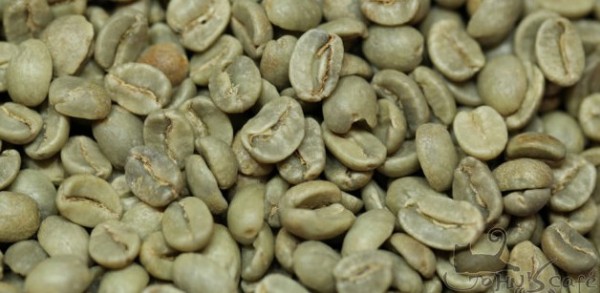
To roasters and green coffee buyers, macro-level details matter. Surface texture, color consistency, and bean shape help determine bean density, potential roast behavior, and origin quality. Defects like insect damage, fissures, or discoloration are easier to spot and quantify through macro imaging. These visual assessments guide decisions on roast profiles and brewing methods, ensuring the best expression of each bean’s terroir and processing.
Frequently Asked Questions
What is macro photography in relation to coffee beans?
Macro photography is extreme close-up imaging that reveals fine details on the surface and structure of green coffee beans—details not visible to the naked eye. It shows textures, colors, shapes, and possible defects that help assess bean quality and origin.
Why do Brazilian Yellow Bourbon beans look different under a macro lens?
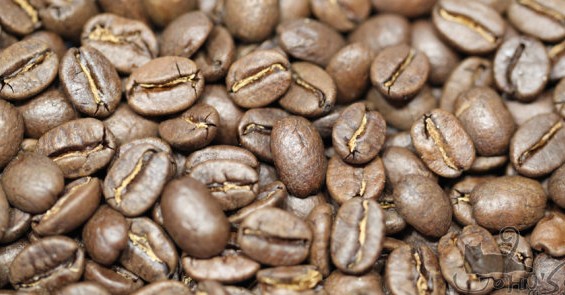
Brazilian Yellow Bourbon beans typically appear smooth, medium in size, and light green to straw-colored in macro images. Their appearance reflects their medium roast suitability, medium acidity, and balanced cup with nutty and caramel notes.
How can you tell Nepalese coffee beans apart visually?
Nepalese Syanja beans, viewed up close, are often smaller, with a slightly irregular shape and matte to semi-matte surfaces. Their deeper green color and surface texture reflect high-altitude mountain growth and manual processing, typical of Himalayan coffee origins.
What visual clues indicate high-quality Colombian Narino beans?
High-quality Narino beans look uniformly vibrant green, with smooth surfaces, consistent shape, and tight seams. These traits, visible in macro photos, suggest careful growing conditions, high density, and complex flavor potential with bright acidity.
Do bean surface features really affect flavor?
Yes. Surface traits like texture, color, and density observed in macro images often correlate with internal qualities such as moisture content, bean hardness, and processing method—all of which influence roast behavior and cup profile.
Recommended FrontStreet Beans for Microscopy Lovers
Try the FrontStreet Brazil Yellow Bourbon from the Cerrado Mineiro region for a classic medium-bodied cup with notes of nuts and caramel, ideal for observing classic Brazilian bean structure. For something more unique, the FrontStreet Colombia Narino from the Nariño region offers dense, vibrant green beans with complex acidity and red fruit character. Both beans are excellent representatives of their origins and showcase the kind of visual and flavor detail specialty roasters look for. Freshly roasted within 5 days · Orders placed before 17:00 ship the same day · Next-day delivery across most of Guangdong Province.
FrontStreet Coffee is a long-established specialty coffee roaster in Guangzhou China, selling freshly roasted beans from its own farm in Yunnan as well as dozens of carefully selected single-origin beans from around the world for both pour-over and espresso. The products deliver consistently excellent quality and great value, with shipping within 24 hours. Guangzhou's FrontStreet Coffee shop is recommended by many coffee lovers, and the beans are now available online at the Tmall 。
Important Notice :
前街咖啡 FrontStreet Coffee has moved to new addredd:
FrontStreet Coffee Address: 315,Donghua East Road,GuangZhou
Tel:020 38364473