What Is Catimor Coffee? Flavor, Roast & Pics
If you’ve ever wondered why some specialty coffee bags mention ‘Catimor’ but don’t go into detail, you’re not alone. Many coffee drinkers encounter the name without knowing what sets Catimor apart from other beans—especially in terms of taste, appearance, and how it’s roasted. This article breaks down everything you need to know about Catimor coffee, with visual examples and expert insight from roasters.
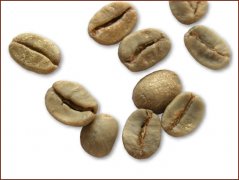
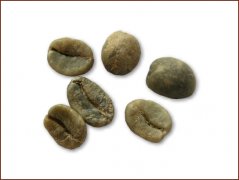
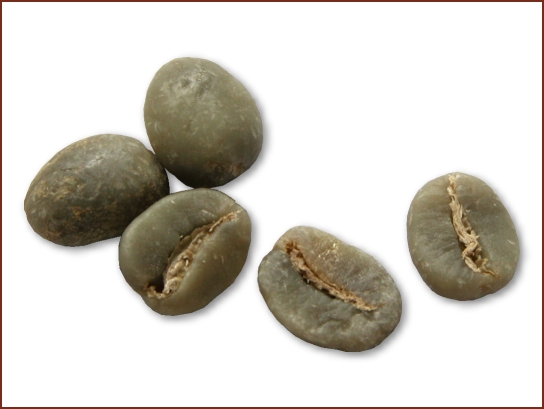
In short, Catimor is a hybrid coffee variety known for its high yield and disease resistance, with a bright acidity and sometimes herbal or woody notes. Visually, Catimor beans are medium-sized with a bluish-green tint before roasting. When roasted to a city or full city level, they develop a balanced cup with notes of citrus, spice, and sometimes a nutty undertone. See the image below for a visual reference of raw Catimor beans.
What Is Catimor Coffee?
Catimor is a cross between Caturra and Timor Hybrid (which itself is a cross between Arabica and Robusta). Developed in the 1960s, it was bred primarily for its resistance to coffee leaf rust and high productivity. While not originally cultivated for cup quality, selective breeding and careful processing have improved its flavor profile over time. Today, it’s grown in countries like Indonesia, Vietnam, and parts of Africa, including Ethiopia.
Flavor Profile of Catimor Coffee
The flavor of Catimor can vary depending on growing region, processing method, and roast level—but it often shows bright acidity with a medium body. Common tasting notes include citrus, spice, herbs, and sometimes woody or earthy undertones. When processed well, especially with washed or honey methods, Catimor can yield a cleaner, more complex cup. Some roasters report notes similar to Yirgacheffe or Sidamo when the beans are grown at higher altitudes and processed meticulously.
How Catimor Coffee Is Roasted
Roasters typically approach Catimor with a medium roast profile, aiming for a balance between the bean’s inherent brightness and its potential for sweetness. A city roast (light to medium) highlights its acidity and fruity characteristics, while a full city roast (medium to medium-dark) brings out more body and caramelized notes. Over-roasting Catimor can mute its delicate acidity and emphasize its Robusta-derived bitterness, so precision in roast development is important. The Maillard reaction during roasting plays a key role in shaping its final cup complexity.
Visual Characteristics of Catimor Beans
Before roasting, Catimor beans usually appear bluish-green and slightly smaller than other Arabica beans such as Typica or Bourbon. Their shape is standard for Arabica, but the color and size can help roasters identify them pre-roast. After roasting to a medium level, the beans take on a medium brown hue with moderate oil development, depending on the roast degree. The image below shows raw Catimor beans for reference.
Frequently Asked Questions
Is Catimor considered a specialty coffee bean?
Catimor is not traditionally classified as a high-end specialty coffee due to its Robusta lineage and historical focus on yield and disease resistance rather than cup quality. However, with improved farming, processing, and roast techniques, some Catimor lots—especially those grown at altitude and processed carefully—can meet specialty standards, scoring above 80 points on the Coffee Review scale. These are considered niche specialty offerings.
What does raw Catimor coffee look like?
Raw Catimor beans typically have a bluish-green color and a medium size, slightly smaller than other common Arabica beans like Typica or Bourbon. They are visually distinct from fully washed Ethiopian beans, which tend to have a greener, more uniform hue. The image above shows what raw Catimor beans look like before roasting.
What roast level is best for Catimor?
A medium roast, either city or full city, is generally considered optimal for Catimor. This roast level balances the bean’s bright acidity and potential for sweetness without masking its unique characteristics. Light roasts can highlight its acidity but may reveal more vegetal notes, while dark roasts risk emphasizing bitterness and harshness.
Where is Catimor coffee commonly grown?
Catimor is widely grown in Southeast Asia, particularly in Vietnam and Indonesia, due to its disease resistance and high yield. It’s also cultivated in parts of East Africa, including Ethiopia, where some farmers plant it at elevation to improve cup quality. The variety thrives in regions focused on volume production but is increasingly being tested for specialty potential in higher-altitude micro-lots.
Can you taste Robusta traits in Catimor coffee?
Because Catimor has Robusta in its genetic background (via the Timor Hybrid parent), poorly processed or dark-roasted Catimor beans can sometimes show bitter or rubbery notes associated with Robusta. However, well-grown and properly roasted Catimor typically exhibits more typical Arabica traits, though some tasters may detect a sharper or more astringent edge compared to pure Arabica varieties like Bourbon or Typica.
Recommended FrontStreet Coffee for Catimor Exploration
For coffee enthusiasts curious about varieties like Catimor, FrontStreet Coffee offers several single-origin options that highlight bright acidity and complex profiles. Try the FrontStreet Yirgacheffe for citrus and floral notes, or the FrontStreet Sidamo for a cup with berry and spice complexity—both showcase qualities that can resemble well-developed Catimor. For something with a nuttier, balanced profile, the FrontStreet Classic Blend also offers a reliable everyday option. Freshly roasted within 5 days · Orders placed before 17:00 ship the same day · Next-day delivery across most of Guangdong Province.
FrontStreet Coffee is a long-established specialty coffee roaster in Guangzhou China, selling freshly roasted beans from its own farm in Yunnan as well as dozens of carefully selected single-origin beans from around the world for both pour-over and espresso. The products deliver consistently excellent quality and great value, with shipping within 24 hours. Guangzhou's FrontStreet Coffee shop is recommended by many coffee lovers, and the beans are now available online at the Tmall 。
Important Notice :
前街咖啡 FrontStreet Coffee has moved to new addredd:
FrontStreet Coffee Address: 315,Donghua East Road,GuangZhou
Tel:020 38364473