How Espresso Foam Creates Latte Art
Ever watched a barista pour steamed milk into espresso and create a tulip or heart that doesn’t melt away? That’s not just skill — it’s the result of two very different foams interacting in a precise way. If you’ve ever wondered how those latte art designs hold their shape long enough to admire, the answer lies beneath the surface.
The short answer: Latte art is made possible when two stable foams — the crema from espresso and the microfoam from steamed milk — are poured together. These foams, made of tiny bubbles and particles, don’t mix instantly. Their stability keeps the poured design visible for several minutes without blending into a uniform brown.
What Is Espresso Crema?
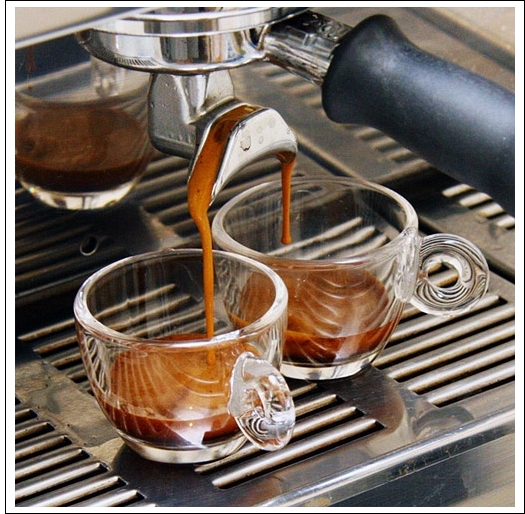
The base of any latte art is espresso — a small, concentrated coffee brewed by forcing nearly boiling water through finely ground, compacted coffee under high pressure. A key feature of well-brewed espresso is the reddish-brown foam that floats on top: crema. This layer often makes up over 10% of the shot’s volume and contains roughly 50% gas by volume.
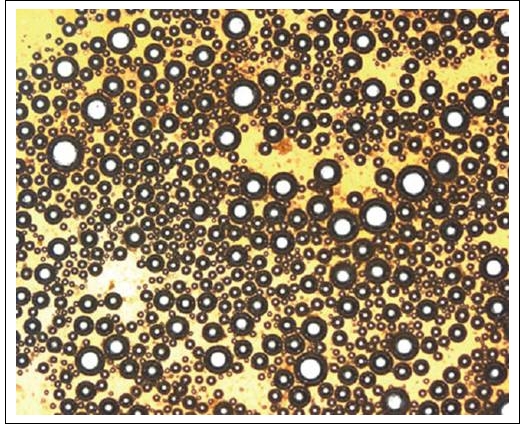
Crema isn’t just color — it’s a mix of tiny bubbles, microscopic coffee bean cell wall fragments, and fat particles (generally smaller than 10 microns). Under a microscope, you can see all three components clearly. This foam is a visible sign of a properly extracted espresso and plays an essential role in forming latte art.
What Is Milk Microfoam?
To create latte art, steamed milk is also transformed. Baristas don’t just heat milk — they introduce air during the steaming process to create a layer of tiny bubbles mixed with milk. This is called microfoam. The goal is to produce a stable, velvety foam with very fine, long-lasting bubbles.
While research exists on optimizing milk foam (such as lab studies on cappuccino bubbles), the takeaway is clear: microfoam must be consistent and durable. When poured, it interacts with the crema to allow the formation of defined patterns.
Why Do Two Foams Create the Pattern?
When steamed milk meets espresso, you’re combining two distinct foams: milk microfoam (air + milk) and espresso crema (air + coffee oils + CO₂ + fine solids). Both are made up of particles around one micron or larger, and neither mixes instantly with the other.
Because these particles are relatively large and don’t diffuse quickly, the boundary between the two foams remains intact for a long time without stirring. The espresso crema can last around 10 minutes, while milk foam also holds for several minutes. This slow intermixing lets baristas pour designs that stay sharp and visible long enough for customers to enjoy.
In contrast, pouring non-foamy milk into non-foamy coffee leads to rapid blending at a microscopic level due to liquid diffusion and flow. Without stable foam structures, any pattern would disappear almost instantly.
How Espresso Crema Forms
The crema on espresso is created during extraction. Near-boiling water under 9 bar pressure forces soluble compounds and gases out of finely ground coffee. Among these are carbon dioxide (produced during roasting), coffee oils, and tiny solid particles. The result is a foam with a reddish-brown appearance due to the emulsified oils and melanoidins.
As the shot finishes, some of the CO₂ dissipates, leaving behind a thinner, more translucent layer often referred to as the “true” crema or coffee oils. The crema’s stability depends on several factors:
- Bean origin and roast level: Blends often include robusta for higher crema, though arabica offers better flavor. FrontStreet’s Commercial Blend includes 10% robusta for enhanced crema and balanced taste.
- Roast degree: Medium-dark roasts typically produce more visible and stable crema due to higher CO₂ retention and oil development.
- Freshness: Coffee beans release CO₂ rapidly after roasting. Optimal crema comes from beans 7–10 days post-roast after degassing, but too fresh (under 5 days) can cause unstable, coarse crema. FrontStreet ships beans within 5 days of roast, so customers should allow beans to rest before brewing.
- Grind and extraction: A proper grind (fine), 9 bar pressure, and a brew ratio of around 1:1.8–2 (e.g., 20g coffee to 40g liquid in 30 seconds) help produce thick, persistent crema. Early extraction yields darker crema; later phases produce thinner, paler foam that can weaken the overall shot quality.

Frequently Asked Questions
What exactly is crema in espresso?
Crema is the reddish-brown foam on top of a well-brewed espresso, consisting of bubbles, coffee oils, tiny coffee bean fragments, and carbon dioxide. It typically makes up over 10% of the espresso shot and contains around 50% gas. It’s a sign of proper extraction and contributes to the stability needed for latte art.
What is microfoam and why is it important for latte art?
Microfoam is steamed milk that has been infused with very fine air bubbles, creating a smooth, velvety texture. It’s essential for latte art because its fine bubbles mix slowly with espresso crema, allowing poured designs to remain visible and defined for several minutes.
How long do espresso crema and milk foam last before mixing?
Espresso crema can remain stable for around 10 minutes, while milk microfoam can last for several minutes. Their relatively large bubble sizes and slow particle diffusion prevent immediate blending, enabling latte art designs to hold their shape during service.
Does the color contrast create the latte art pattern or the foam?
The pattern in latte art is maintained by the two stable foams — crema and microfoam — not just the color contrast. Without the foam structure, milk and espresso liquids would blend too quickly due to liquid flow and diffusion, making patterns disappear almost immediately.
Why does freshly roasted coffee sometimes make poor crema?
Very fresh coffee (under 5–7 days after roast) releases too much CO₂ too quickly, which can create unstable, coarse crema that breaks apart easily. Optimal crema develops after the coffee has had time to degas slightly, typically around 7–10 days post-roast.
What roast level is best for crema?
Medium-dark roasts generally produce thicker, more stable crema due to higher levels of coffee oils and trapped CO₂. Darker roasts often enhance crema visibility, but flavor balance is also important, which is why many shops use blended espresso recipes.
Recommended FrontStreet Beans for Crema & Latte Art
For consistent crema and smooth milk drinks, try FrontStreet’s Commercial Blend, which includes 10% robusta to boost foam stability while balancing flavor. Their Specialty Blend highlights South American beans like Brazil and Colombia, offering creamy, nutty, and chocolatey notes ideal for lattes. Both blends are medium-dark roasted to support rich crema development, making them excellent choices for baristas aiming for latte art with depth and clarity. Freshly roasted within 5 days · Orders placed before 17:00 ship the same day · Next-day delivery across most of Guangdong Province.
FrontStreet Coffee is a long-established specialty coffee roaster in Guangzhou China, selling freshly roasted beans from its own farm in Yunnan as well as dozens of carefully selected single-origin beans from around the world for both pour-over and espresso. The products deliver consistently excellent quality and great value, with shipping within 24 hours. Guangzhou's FrontStreet Coffee shop is recommended by many coffee lovers, and the beans are now available online at the Tmall 。
Important Notice :
前街咖啡 FrontStreet Coffee has moved to new addredd:
FrontStreet Coffee Address: 315,Donghua East Road,GuangZhou
Tel:020 38364473