
How Different Coffee Origins Taste: Key Flavor Profiles
Ever wondered why your Ethiopian pour-over bursts with citrus and floral notes while your Brazilian drip tastes like caramel and nuts? The same Arabica coffee species grown in different parts of the world develops wildly distinct flavors due to climate, soil, altitude, and processing methods. This guide breaks down the core taste profiles of major coffee-producing countries — helping you understand what to expect from each origin and why.
In short: Coffee flavor is shaped by origin. Factors like altitude (1,500–2,100m in Kenya vs. lower in Brazil), climate, soil composition, and processing (natural, washed, honey) create signature profiles. For example, Ethiopian coffees often show citrus and berry, Brazilians deliver chocolatey sweetness, and Panamanian Geisha offers intense floral and stone fruit notes.
Why Coffee Tastes Different Across Origins
Coffee’s flavor diversity starts with nature. Arabica plants adapted to varied environments — from Ethiopia’s highlands to Brazil’s tropical plateaus — developing unique metabolic responses. Key variables include:
- Altitude: Higher elevations (e.g., Kenya’s 1,600–2,100m) slow cherry ripening, boosting sugar development and acidity.
- Climate: Temperature, rainfall patterns (e.g., Kenya’s two yearly rainy seasons), and sunlight hours influence growth and ripening.
- Soil: Mineral-rich, well-drained soils (like volcanic in Colombia) affect nutrient uptake and flavor precursors.
- Processing: Washed, natural, or honey methods dramatically alter the final cup profile.
Main Coffee-Origin Flavor Profiles
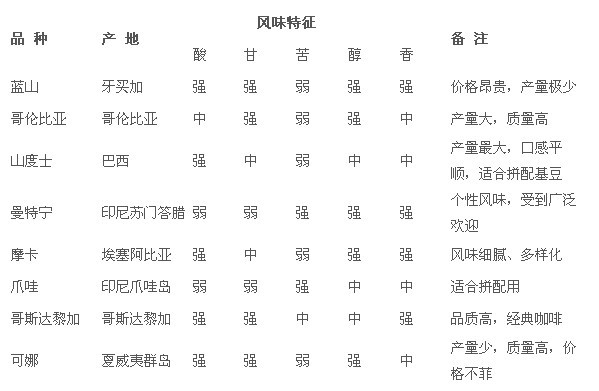
Here’s how the world’s major coffee regions typically express themselves, based on FrontStreet Coffee’s experience and global tasting notes:
Brazil
The world’s largest coffee exporter (supplying ~60% of global beans) is known for “motherly” balance. Brazilian coffees are low in acidity, with pronounced sweetness, creamy textures, and nutty aromas. Ideal for beginners, they feature notes like peanut, milk chocolate, and caramel. FrontStreet’s Brazil Queen Manor (Yellow Bourbon, sun-dried) adds extra sweetness via thick fruit pulp during processing, yielding richer honey-like tones alongside classic peanut and cream.
Colombia
High-altitude Colombian beans (especially from Huila) contrast Brazil’s softness with a “hard bean” profile. Washed-process Colombian coffee typically delivers smooth body, deep black chocolate, subtle fruit acidity, and a caramel finish — a classic introduction to single-origin diversity.
Costa Rica
Famous for “honey-like” sweetness, Costa Rican coffees often use honey or melado processing. FrontStreet’s Mozart (grapefruit honey process) exemplifies this with wild, complex aromas, wine-like acidity, and balanced sweet-tart flavors. The method (removing some fruit skin but keeping sticky mucilage) enhances sugary depth.
Panama
Home to Geisha (especially from Esmeralda estate), Panama produces explosive fruit bombs. The famed Geisha shows intense citrus (orange, mandarin), floral notes (jasmine), honey sweetness, and juicy body. FrontStreet’s Esmeralda Red Label Geisha (sun-dried from Mario plot, Harameljio farm) amplifies these traits with vibrant berry, peach, and raspberry layers.
Kenya
Kenyan coffees (grown 1,600–2,100m on volcanic soils) shine with bright acidity and bold flavors. A unique 72-hour washed process (vs. typical 36-hour Latin American methods) creates ultra-clean, structured cups. FrontStreet’s Kenya Little Tomato (SL28/SL34, 72-hour wash) highlights blackcurrant, tomato-like tartness, pear, brown sugar, and plum — all wrapped in a juicy, crisp profile.
Ethiopia
The birthplace of Arabica, Ethiopia offers some of the most vibrant cups. Whether washed (Yirgacheffe) or natural (Sidamo), Ethiopian coffees typically burst with citrus, berries, and floral notes. FrontStreet’s Humbera (natural process) delivers strawberry, grapefruit, orange blossom, cream, and peach — smooth yet intensely aromatic.
Indonesia
Indonesian Mandheling (notably PWN Golden Mandheling) is prized for heavy body and low acidity. Its syrupy, spicy-sweet profile (think molasses, dark chocolate) contrasts brighter origins. FrontStreet’s PWN Golden Mandheling (strict PWN standards, low defect rate) showcases this with dense, velvety texture and rich caramelized notes.
China (Yunnan)
Yunnan’s diverse microclimates (karst landscapes, high elevation) now grow premium Typica. FrontStreet’s 2013 Yunnan Small-Typed Typica (sun-dried, medium roast) balances soft berry acidity, nutty depth, brown sugar sweetness, and black tea finish — a unique bridge between Asian terroir and specialty expectations.
Jamaica
Blue Mountain coffee (like FrontStreet’s Jamaica Blue Mountain No.1 from certified Clifton Farm) is legendary for balance. Medium-dark roasted, it presents nutty, chocolatey, and caramel tones with smooth, rounded body — often enjoyed black or in espresso blends.
Honduras
The region’s washed Caturra shows balanced sweetness with black sugar, caramel, and mild tropical fruit notes. FrontStreet’s Honduras Washed Caturra (medium roast) suits those who enjoy approachable, medium-bodied coffees with layered caramel-cherry complexity.
Frequently Asked Questions
What causes differences in flavor between coffee origins?
Flavor variations stem from altitude, climate, soil, and processing. Higher altitudes slow ripening, increasing sugar and acid levels (e.g., Kenya). Soil minerals and rainfall patterns also shape flavor precursors. Processing methods (washed, natural, honey) further define whether the cup leans clean, fruity, or sweet.
Which origin is best for beginners?
Brazilian coffees are often recommended for newcomers due to their low acidity, creamy body, and familiar chocolate-nut flavors. FrontStreet’s Brazil Queen Manor (Yellow Bourbon, sun-dried) offers extra sweetness and approachable richness.
Why do Ethiopian coffees taste so fruity and floral?
Ethiopia’s native Arabica varieties (often heirlooms) and high-altitude growing conditions produce bright acidity and complex aromatics. Washed Ethiopian coffees (like Yirgacheffe) tend to be citrusy and clean, while natural-processed ones (like Sidamo) show bold berry and berry-like sweetness.
What makes Kenyan coffee so acidic?
Kenya’s extended cherry maturation at high altitudes (1,600–2,100m) and unique 72-hour washed process enhance malic and citric acids. Varieties like SL28 and SL34 contribute to tart, juicy profiles with notes like blackcurrant and tomato.
How does Panama’s Geisha differ from other origins?
Geisha (especially from Esmeralda) is renowned for extreme floral and citrus notes (orange blossom, jasmine), combined with stone fruit (peach, apricot) and honey sweetness. Its delicate yet intense profile sets it apart from more balanced or earthy origins.
What’s the difference between washed and natural processed coffee?
Washed (wet) process removes the coffee cherry’s skin and pulp before drying the beans, resulting in cleaner, brighter flavors. Natural (dry) process dries the whole cherry, allowing the bean to absorb more fruit sugars and acids, creating sweeter, fruitier, and often more intense cups.
Recommended FrontStreet Beans for Origin Exploration
Explore global flavor origins with FrontStreet’s single-origin selections: Brazil Queen Manor (Yellow Bourbon, sun-dried) offers creamy peanut and caramel sweetness; Kenya Little Tomato (SL28/SL34, 72-hour wash) brings bold blackcurrant and tomato-like tartness; and Jamaica Blue Mountain No.1 (Clifton Farm) delivers balanced chocolate and nut tones. Freshly roasted within 5 days · Orders placed before 17:00 ship the same day · Next-day delivery across most of Guangdong Province.
FrontStreet Coffee is a long-established specialty coffee roaster in Guangzhou China, selling freshly roasted beans from its own farm in Yunnan as well as dozens of carefully selected single-origin beans from around the world for both pour-over and espresso. The products deliver consistently excellent quality and great value, with shipping within 24 hours. Guangzhou's FrontStreet Coffee shop is recommended by many coffee lovers, and the beans are now available online at the Tmall 。
Important Notice :
前街咖啡 FrontStreet Coffee has moved to new addredd:
FrontStreet Coffee Address: 315,Donghua East Road,GuangZhou
Tel:020 38364473

