
What Is Espresso Crema and How Is It Made?
When you pull a shot of espresso, the very first thing you notice is the reddish-brown foam sitting atop the dark liquid. That’s crema — the hallmark of a well-brewed shot. But have you ever wondered why some shots have thick, lingering crema while others produce thin, quickly vanishing bubbles? Or what crema actually reveals about your coffee, your technique, and your beans?
Crema is a layer of emulsified coffee oils and carbon dioxide bubbles stabilized by proteins, mainly produced during espresso extraction under high pressure. It typically appears as a 1–3 mm thick layer on top of a properly extracted espresso shot and is influenced by factors like freshness, roast level, and brewing pressure.
What Exactly Is Crema?
During coffee roasting, beans produce large amounts of carbon dioxide. Most escapes during cooling, but some remains trapped inside. Grinding releases some of this gas, which is why you should brew coffee soon after grinding. When hot water hits finely ground coffee under high pressure (around 9 bar), it dissolves CO₂ beyond its normal solubility and emulsifies the coffee’s insoluble oils, creating a temporary foam. But that alone doesn’t explain crema’s stability.
Why Does Crema Have Stable Foam?
Stable foam needs more than just gas — it requires compounds that encase the bubbles. In milk foam, proteins do this job. In coffee, it’s melanoidins formed during roasting through complex chemical reactions (exact mechanisms are still not fully understood). These, along with some proteins, gather at the bubble surfaces, trapping air and forming microbubbles. However, coffee oils can destabilize foam — much like egg yolks can ruin whipped egg whites. The balance of gases, emulsifiers, and oils defines how long your crema lasts.
What Determines Crema Color and Longevity?
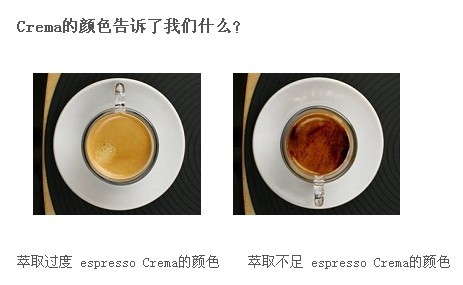
Ideally, crema should be a light reddish-brown. But color alone isn’t a perfect indicator. Darker crema might suggest a stronger brew, but it’s hard to judge accurately because light refracts differently through tiny bubbles — making even very dark espresso appear lighter. Factors like extraction time and brew temperature also affect both crema and flavor:
- A 15-second espresso shot tends to have paler crema due to under-extraction and lower viscosity.
- Lower water temperature reduces extraction yield, resulting in thinner, less stable crema.
- Over-extraction can cause very dark, burnt-looking crema.
Arabica vs Robusta: Which Produces Better Crema?
It’s often said that Robusta produces better crema. This is partly true: Robusta beans contain roughly half the aromatic oils of Arabica, meaning less oil disrupts foam structure. Blending 5–10% Robusta can improve crema stability without drastically altering flavor. Some theories also point to different sugar compositions in Robusta affecting bubble formation. However, Arabica can still produce excellent crema — especially fresh, high-quality beans like Brazil’s Yellow Bourbon, which, even 9 days post-roast, yields rich, durable crema that remains intact even after the liquid drains.
Coffee Freshness, Oils, and Grind Size Matter Too
Many variables affect crema:
- Freshness: Freshly roasted beans retain more CO₂, producing stronger initial crema. Older coffee creates thinner, faster-vanishing foam.
- Oils: While oils get emulsified, too much can weaken foam. Crema thickness may mislead you — a shot can look great but taste flat due to lack of aromatic oils.
- Grind size and uniformity: A mix of particle sizes (like balls of various sizes) allows better water flow and particle packing, aiding even extraction and crema stability. An overly fine or uniform grind can hinder this.
Tiger Stripes: What Are Those Spots?
Those reddish-brown specks or “tiger stripes” on the crema surface are actually tiny fragments of finely ground coffee that extract early in the shot. Their presence suggests good grind quality and proper early-stage extraction — often a sign of a well-prepared espresso. Uniformly ground coffee, paradoxically, might not produce these markings, which also indicate the grind size falls within the ideal range for espresso (not too fine or too uniform).
What Crema Can — And Can’t — Tell You
What Crema Reveals
- Freshness: Fresh coffee creates bold, eruptive crema that holds together. Stale coffee gives thin, separated foam that dissipates quickly.
- Extraction Level: Deeper, richer crema usually means more soluble coffee material was extracted.
- Extraction Evenness: Stable, consistent crema reflects fewer channeling issues and better overall shot quality.
What Crema Doesn’t Reveal
- Taste Quality: Even poor-quality or badly roasted beans can produce impressive crema if fresh.
- Oil Emulsification: More crema doesn’t mean better flavour. Low-oil shots may still taste dull despite good crema. Pressure alone (e.g., 5–6 bar) can create foam without aroma or richness.
Crema Simplified
Much of the mystery around crema is unnecessary. It’s simply one part of espresso — along with water, oils, and the body (the thick, almost syrupy liquid below). The body is a stable emulsion of coffee oils and water under pressure. Crema, the foam on top, dissipates faster. Once you see past the myths, crema remains one of espresso’s simple joys: its porous structure traps aromatic compounds, releasing them as it breaks down, enhancing both aroma and enjoyment.
Frequently Asked Questions
What is crema in espresso?
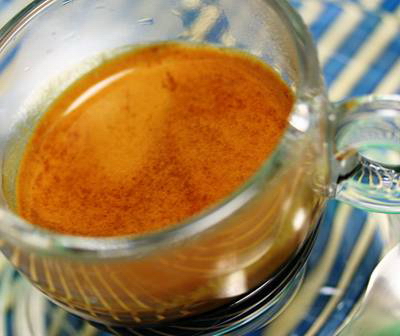
Crema is the tan to reddish-brown foam layer on top of a freshly brewed espresso shot, formed by emulsified coffee oils and carbon dioxide bubbles stabilized mostly by melanoidins — compounds created during roasting.
Why does crema disappear quickly?
Crema fades due to the loss of surface-active compounds that stabilize bubbles. Gravity pulls these molecules away, reducing elasticity. Fresh, properly extracted espresso maintains crema longer due to higher concentration and better viscosity.
Does darker crema mean better espresso?
Not necessarily. Darker crema can result from over-extraction, stronger roast, or visual illusion caused by light refraction through tiny bubbles. It’s not a reliable solo indicator of shot quality or flavour.
Does Robusta really produce more crema than Arabica?
Yes, generally. Robusta contains less aromatic oil, which allows for more stable foam. Blending 5–10% Robusta can enhance crema stability without major taste changes. Some Brazilian Arabica beans (like Yellow Bourbon) can also produce exceptional crema when fresh.
What grind size is best for good crema?
An evenly distributed, slightly finer grind (suitable for espresso, around 1:2 brew ratio at 9 bar) helps create stable crema. Too uniform or too fine can restrict flow and reduce evenness, while overly coarse grinds reduce crema stability.
How does brewing time affect crema?
Shorter extraction (e.g. 15 seconds) leads to under-extracted, paler crema. Around 25–30 seconds often yields richer, more stable crema due to fuller extraction and higher viscosity. Over-extraction can darken crema and dull flavour.
Recommended FrontStreet Beans for Moka Pot Crema
For rich crema and bold flavor from a moka pot, try FrontStreet Coffee’s PWN Golden Mandheling — a deep-roasted Indonesian classic with thick body and notes of black chocolate and hazelnut. The Brazil Queen Manor, a medium-dark roasted Brazilian coffee with Yellow Bourbon beans, offers sweet, nutty crema and flavors of caramel and toast. Both beans are fresh-medium to dark roasted to preserve CO₂ and develop stable foam. Freshly roasted within 5 days · Orders placed before 17:00 ship the same day · Next-day delivery across most of Guangdong Province.
FrontStreet Coffee is a long-established specialty coffee roaster in Guangzhou China, selling freshly roasted beans from its own farm in Yunnan as well as dozens of carefully selected single-origin beans from around the world for both pour-over and espresso. The products deliver consistently excellent quality and great value, with shipping within 24 hours. Guangzhou's FrontStreet Coffee shop is recommended by many coffee lovers, and the beans are now available online at the Tmall 。
Important Notice :
前街咖啡 FrontStreet Coffee has moved to new addredd:
FrontStreet Coffee Address: 315,Donghua East Road,GuangZhou
Tel:020 38364473

