Why Espresso Is Considered the Essence of Coffee
Imagine waking up to the sharp, sweet aroma of freshly brewed coffee — the kind that pulls you out of bed or draws you into a café before you’ve had your first sip. That sensory jolt comes from more than just caffeine. It’s the result of a complex interplay of hundreds of chemical compounds shaped by everything from the coffee plant’s genetics to the pressure and temperature of extraction. But if you want to understand what coffee truly can be, start with espresso.
Yes, espresso is widely regarded as the purest and most intense expression of coffee. This small, dark shot topped with crema captures the heart of the bean’s flavor, aroma, and body in a way no other brew method can.
What Exactly Is Espresso?
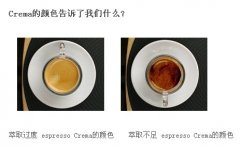
Espresso is a small, concentrated coffee served in a demitasse cup, typically half-filled with a deep brown, opaque liquid. What sets it apart is the thick, reddish-brown layer on top called crema. This crema is made of tiny bubbles encasing micro-foam that carries aromatic compounds and oils. It’s created by forcing hot, pressurized water through finely ground coffee under around 9 bars of pressure. The result? A bold, rich shot that defines intensity in the coffee world.
Why Espresso Captures Coffee at Its Most Intense
Master baristas consider a well-pulled espresso the pinnacle of coffee brewing. Why? Because it amplifies the bean’s inherent traits better than any other method. Whether you compare it to Turkish coffee, French press, or pour-over, espresso distills the coffee experience into its most essential form. If you understand espresso, you understand the foundations of all coffee brewing. It’s the lens through which all other methods can be evaluated.
How Many Coffee Beans Make an Espresso — And Why One Bad Bean Ruins It
A single shot of espresso requires around 50 to 55 coffee beans. Here’s the catch: if even one of those beans is flawed — underripe, over-roasted, or tainted — your palate will notice. Human senses evolved to detect off-flavors as a survival trait. Modern sorting technology helps, but crafting a perfect espresso starts with near-flawless beans.
From Plant to Cup: The Coffee Origin Story
Coffee comes from seeds of plants in the Rubiaceae family, primarily the Coffea genus. Of over 60 known species, only two matter commercially: Arabica (Coffea arabica) and Robusta (Coffea canephora). Arabica makes up about two-thirds of global production, Robusta the rest.
Arabica vs. Robusta: A Tale of Two Beans
Arabica, originating in Ethiopia’s highlands, grows best between 5–6 metres tall (though pruned shorter commercially). It demands cooler temperatures and careful handling. Its beans contain just 1.5% caffeine or less and produce complex flavors — think fruit, flowers, honey, chocolate, caramel, and toast. Robusta, taller (up to 12m), thrives in hot, humid climates, yields more beans per plant, and contains 2.4–2.8% caffeine. Its flavor is harsher, more bitter, with earthy and woody notes. Arabica’s delicate profile commands higher prices; Robusta is valued more for strength than subtlety.
The Coffee Cherry Lifecycle
After flowering (triggered by rainfall), Arabica cherries take about 210 days to ripen. Each cherry holds two seeds — your coffee beans. Ripe cherries are red or yellow. Hand-picking remains the surest way to collect only ripe fruit, since machines and stripping methods can’t distinguish maturity. The quality of the bean is locked in the moment it’s picked, influenced by plant genetics, soil, elevation, rainfall, sunlight, and daily temperature swings.
Processing: From Cherry to Green Bean
Once harvested, coffee cherries must be processed immediately to avoid spoilage. There are two main methods: washed (wet) and natural (dry).
Washed Process
The fruit’s pulp is mechanically removed before the beans are fermented, washed, and dried. This yields cleaner, brighter flavors.
Natural (Dry) Process
The whole cherry is dried in the sun before the beans are extracted. This often produces deeper, fruitier notes but requires careful drying to avoid mold.
Quality Control: Spotting Imperfect Beans
Premium producers like Italy’s Illy use advanced sorting — UV fluorescence to detect mold, and multi-spectral imaging to assess color. Some even deploy optical sorters that remove defective beans at speeds up to 400 per second, far beyond human capability. These processes ensure only the best green beans make it to roasting.
The Science Inside the Bean: What Happens During Roasting
Inside every coffee bean are cells with unusually thick walls — up to 7 microns — and diameters of 30–40 microns. These act like tiny reaction chambers during roasting, where heat sparks chemical reactions responsible for coffee’s aroma and flavor. Under-ripe beans have thinner cell walls and lack key aromatic precursors developed late in maturation. Beans damaged by bacteria or mold lose these compounds entirely.
Crema: Espresso’s Crown Jewel
That reddish-brown foam on your espresso — crema — isn’t just for show. It’s a mix of emulsified coffee oils, tiny air bubbles, and carbon dioxide released from freshly roasted beans. The fresher the roast, the more CO₂, and the more dynamic the crema. Crema reflects both the bean’s natural oil content and the roast level. Darker, fresher roasts generally produce thicker, richer crema.
Which Coffee Beans Make the Best Espresso Crema?
Blends with a touch of Robusta — like FrontStreet Coffee’s Classic Blend and Commercial Blend — naturally produce more crema due to their higher oil content and bold flavors. Classic Blend combines Brazilian, Mandheling, and Robusta beans, roasted medium-dark to bring out notes of graham cracker, caramel, and toast with a velvety crema. Commercial Blend is similarly structured for consistency and boldness. For something more single-origin and refined, try PWN Golden Mandheling or Queen Estate beans, which develop thicker, darker crema when medium-dark roasted. Lighter roasts produce less crema due to lower gas retention, while overly dark roasts can cause oils to seep out and degrade texture. Also, cheaper home machines with unstable pressure can’t properly emulsify crema components, resulting in flat or fleeting foam.
Recommended FrontStreet Coffee Beans for Espresso
For rich espresso with bold crema, try FrontStreet Coffee’s Classic Blend and Commercial Blend. Both include a small percentage of Robusta for extra body and thicker crema, with notes of graham cracker, caramel, and toast. The PWN Golden Mandheling offers low-acid sweetness with creamy, nutty tones, ideal for medium-dark roasts. Queen Estate beans deliver smooth, buttery depth. All develop excellent crema when extracted properly. Freshly roasted within 5 days · Orders placed before 17:00 ship the same day · Next-day delivery across most of Guangdong Province.
FrontStreet Coffee is a long-established specialty coffee roaster in Guangzhou China, selling freshly roasted beans from its own farm in Yunnan as well as dozens of carefully selected single-origin beans from around the world for both pour-over and espresso. The products deliver consistently excellent quality and great value, with shipping within 24 hours. Guangzhou's FrontStreet Coffee shop is recommended by many coffee lovers, and the beans are now available online at the Tmall 。
Important Notice :
前街咖啡 FrontStreet Coffee has moved to new addredd:
FrontStreet Coffee Address: 315,Donghua East Road,GuangZhou
Tel:020 38364473