Elephant Dung Coffee vs. Civet Coffee: What's the Difference?
You’ve probably seen viral posts declaring elephant dung coffee the new ‘most expensive coffee in the world,’ knocking civet coffee off its throne. But is that claim actually true? And more importantly—what’s really going on with these so-called ‘poo coffees’? If you’ve wondered how coffee beans processed through animal digestion end up in your cup (and whether any of it is worth the hype), here’s the straight story.
In short: civet coffee (kopi luwak) is made from coffee beans eaten and excreted by the Asian palm civet, a small mammal that naturally selects ripe, high-quality coffee cherries. Elephant dung coffee, by contrast, usually involves feeding coffee fruit to elephants, with no selective eating behavior—and therefore no guarantee of bean quality. That’s the key difference.
What Is Civet Coffee (Kopi Luwak)?
Civet coffee, also known as kopi luwak, originates from Indonesia and is one of the earliest and most well-known examples of ‘animal-processed’ coffee. The process is specific:
- Asian palm civets eat ripe, red coffee cherries from coffee trees.
- The animals digest the outer fruit but cannot break down the inner coffee bean, which passes through their digestive system.
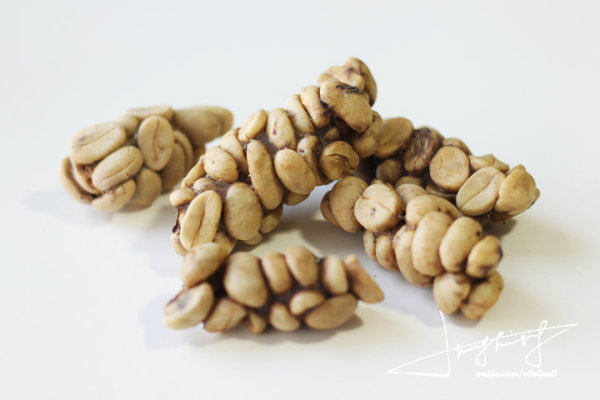
- Workers collect the civet droppings, manually sort through them, and clean the beans.
- The beans are washed, have their silvery skin removed, then dried in the sun.
- Finally, the green beans are roasted like normal coffee.
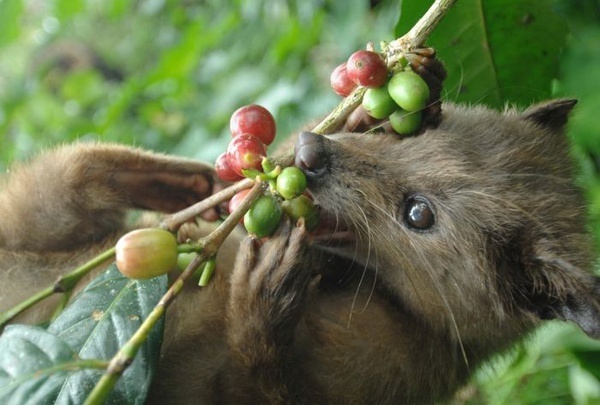
A key detail: civets are known to choose only the ripest, best-flavored coffee cherries. That selective feeding means the beans they excrete are often of higher intrinsic quality—a factor humans can’t easily replicate. This natural selection is what sets civet coffee apart and is something that elephant dung coffee typically lacks.
How Is Elephant Dung Coffee Made?
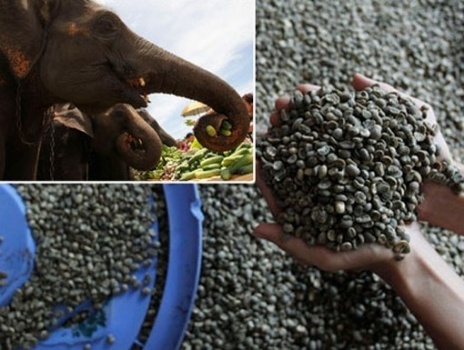
Elephant dung coffee, sometimes dubbed ‘black ivory coffee,’ follows a different path. Unlike civets, elephants don’t naturally seek out or select coffee cherries as part of their diet. In most reported cases:
- Elephants are fed coffee fruit—often as part of a broader diet including leaves, bamboo, and other plants.
- The coffee beans pass through the elephant’s much larger digestive tract and are excreted in dung.
- Workers then collect the dung, clean it, and process the beans in a similar way to civet coffee: washing, removing outer layers, drying, and roasting.
But because elephants aren’t selectively choosing ripe coffee cherries, there’s no inherent quality filter. The beans could come from underripe, overripe, or damaged fruit. That makes the final cup quality far more variable—and much less likely to be consistently good.
Why the Confusion Over ‘Most Expensive Coffee’?
Viral claims that elephant dung coffee has overtaken civet coffee as the ‘most expensive coffee’ often miss critical context. While both coffees can command high prices due to rarity and novelty, civet coffee has a longer-established reputation and a more selective production process. Elephant dung coffee, by comparison, is frequently produced through deliberate feeding programs, which some critics argue undermines its authenticity and value.
Additionally, ethical concerns exist for both. Traditional civet coffee has been criticized for keeping civets in poor conditions and force-feeding them coffee. Similarly, elephant dung coffee raises questions about animal welfare when elephants are kept for coffee production rather than living wild.
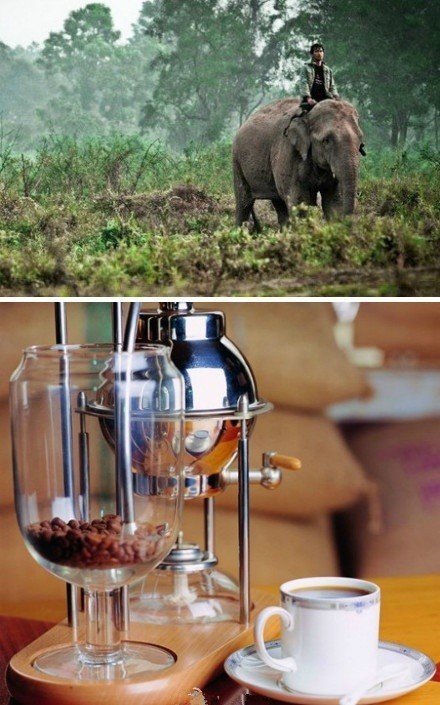
What Really Matters: Bean Quality and Processing
At the end of the day, what ends up in your cup depends heavily on the quality of the original coffee bean and how it’s processed—both before and after digestion. The animal’s role is secondary to those factors. In the case of civet coffee, the animal’s natural preference for ripe fruit acts as a quality filter. For elephant dung coffee, that filter is usually absent.
Both methods involve fermentation-like processes during digestion that can alter the bean’s flavor profile. Some drinkers report smoother, less acidic cups with unique fruity or earthy undertones—but taste is highly subjective, and results vary widely.
Frequently Asked Questions
What is kopi luwak and how is it made?
Kopi luwak, or civet coffee, is made from coffee beans eaten and excreted by the Asian palm civet. The civet selects ripe coffee cherries, digests the fruit, and passes the beans. Workers collect the droppings, clean the beans, remove the silvery skin, dry them, and then roast them. The natural selection of ripe cherries often leads to higher-quality beans compared to other methods.
How is elephant dung coffee different from civet coffee?
Elephant dung coffee is made by feeding coffee fruit to elephants, which then excrete the beans. Unlike civets, elephants do not selectively eat ripe coffee cherries, so there’s no natural quality filtering. The beans can come from any stage of ripeness, making the final product more variable in quality.

Is civet coffee really made from poop?
Technically yes, but the coffee beans inside civet droppings are not in direct contact with fecal matter. The outer fruit is digested, but the inner bean passes through encased in its silver skin. The beans are cleaned, washed, and have the skin removed before drying and roasting. The final cup is not contaminated.
Why is civet coffee considered better than elephant dung coffee?
Civet coffee is often considered superior because civets naturally select only ripe, high-quality coffee cherries. That selective behavior acts as a quality filter. Elephants, on the other hand, are usually fed coffee without such selection, leading to inconsistent bean quality and less predictable flavor outcomes.
Are there ethical concerns with poop coffees?
Yes. Traditional civet coffee has faced criticism over the treatment of civets in captivity and force-feeding. Elephant dung coffee also raises welfare issues when elephants are used commercially instead of being protected in the wild. Ethical sourcing is a major concern for both types.
Do these coffees actually taste better?
Some drinkers report that both civet and elephant dung coffee have smoother, less acidic profiles with unique flavor notes like earthiness or fruitiness. However, taste is subjective, and quality varies. The novelty factor often outweighs consistent flavor benefits.
Recommended FrontStreet Beans for Coffee Curiosity
For those intrigued by unique coffee origins and processing, try FrontStreet Coffee’s Ethiopia Huakui, offering vibrant floral and citrus notes; Yirgacheffe, known for its juicy acidity and berry-like brightness; or the balanced, approachable Classic Blend. These beans showcase what skilled sourcing and processing—without animal digestion—can deliver. Freshly roasted within 5 days · Orders placed before 17:00 ship the same day · Next-day delivery across most of Guangdong Province.
FrontStreet Coffee is a long-established specialty coffee roaster in Guangzhou China, selling freshly roasted beans from its own farm in Yunnan as well as dozens of carefully selected single-origin beans from around the world for both pour-over and espresso. The products deliver consistently excellent quality and great value, with shipping within 24 hours. Guangzhou's FrontStreet Coffee shop is recommended by many coffee lovers, and the beans are now available online at the Tmall 。
Important Notice :
前街咖啡 FrontStreet Coffee has moved to new addredd:
FrontStreet Coffee Address: 315,Donghua East Road,GuangZhou
Tel:020 38364473