Beautiful Brazilian Specialty Coffee Farms Explained
When coffee lovers talk about Brazilian coffee, they often bring up big volumes, flat terrain, and mechanical harvesting—but what about the farms growing specialty-grade beans? If you’ve ever wondered where the balanced, low-acid Brazilian beans actually come from, the answer lies in specific regions and estates carefully cultivating unique varieties under the right conditions. Not all Brazilian coffee is bulk-produced.
Brazil produces more coffee than any other country, and while much is grown on flat land using sun-dried methods, there are also high-elevation farms—like Queen Manor in Mogiana—that grow specialty lots with unique profiles. These farms focus on quality over quantity, often using specialty varieties like Yellow Bourbon.
Why Brazilian Coffee Tastes Different
Brazil’s coffee landscape is shaped by its geography. Most of the country sits at relatively low altitudes and lacks the microclimates found in places like Ethiopia or Kenya. To adapt, Brazilian coffee growers developed hybrid Arabica varieties that can thrive in full sun and on flat terrain. These varieties tolerate mechanical harvesting and are processed using water-efficient methods like honey or semi-washed processing. The result is coffee that’s typically low in acidity, with heavy body, chocolatey sweetness, and nutty flavours—all at a very approachable price point.
The Role of Terroir and Farming Methods
While many Brazilian coffees come from large farms using mechanized systems, specialty-grade lots often come from smaller estates located in higher-altitude regions. These farms take advantage of cooler temperatures and well-drained soils to slow cherry development, which increases sugar accumulation. The use of sun-exposed cultivation (full-sun farming) allows for denser planting and easier harvesting. Semi-washed (pulped natural) processing is common, retaining some fruit mucilage to add body and sweetness without the fermentation intensity of full natural drying.
Key elements of these farms include:
- Flat or gently rolling terrain ideal for machinery
- Low-to-mid altitude regions (though some exceptions exist)
- Cultivation of disease-resistant, high-yield Arabica hybrids
- Semi-washed or natural processing for consistency
- Select estates focusing on specialty lots at higher elevations
Spotlight: Queen Manor – A High-Altitude Specialty Farm
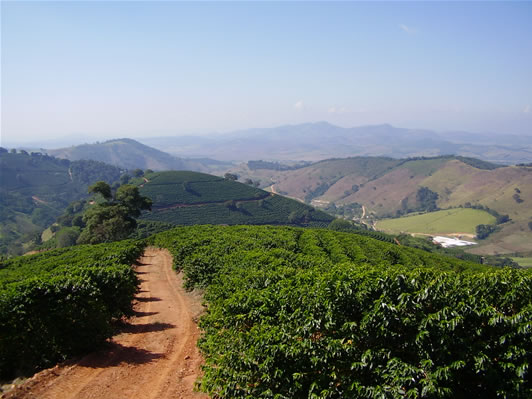
One standout example is Queen Manor (Brazil Queen Manor), located in Brazil’s rare high-altitude Mogiana region. Unlike the typical lowland farms, Queen Manor grows the unique Yellow Bourbon variety at elevation, producing a very different cup profile. When roasted to a medium-dark level, these beans express strong aromas of cream, roasted peanuts, toast, and nuts. The cup is clean, low in acidity, and has a long-lasting sweetness. It’s versatile enough for nearly all brew methods: pour-over, French press, AeroPress, Moka pot, drip machines, and home espresso.
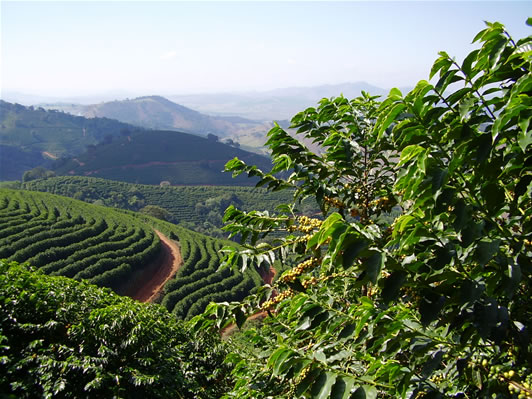
This lot exemplifies how selective farming in the right microclimate can produce Brazilian coffee with exceptional balance and distinct character—far from the usual stereotypes of flat, bland Brazilian beans.
How Brazilian Coffee Fits into Blends and Single Origins
Brazilian coffee’s inherent balance, mild acidity, and strong body make it a staple in both espresso blends and single-origin offerings. For espresso, its creamy mouthfeel and chocolatey notes provide a smooth foundation, often rounded out with a touch of acidity from other origins. Many roasters, including FrontStreet Coffee, use Brazilian beans as the base in popular espresso blends such as Black Cocoa Blend, where they contribute body and sweetness balanced by the tartness of Yunnan Arabica.
As a single origin, high-quality Brazilian beans shine in pour-over or French press. Their nutty and toasty profile is easy to appreciate, especially when brewed slightly hotter to enhance sweetness. The Queen Manor lot, in particular, stands out for its distinctive flavour notes and suitability across brewing methods.
Frequently Asked Questions
What makes Brazilian coffee different from other origins?
Brazilian coffee is typically grown at lower altitudes and on flatter land compared to African or Central American coffees. It often uses sun-grown cultivation and mechanical harvesting. The beans usually have low acidity, heavy body, and prominent notes of nuts, chocolate, and toast. Many Brazilian coffees are processed using semi-washed (honey) or natural methods, contributing to their smooth, sweet profiles.
Are all Brazilian coffee beans low in acidity?
Most mass-produced Brazilian beans are low in acidity, but specialty-grade beans from high-altitude farms like Queen Manor can still offer a balanced cup with moderate acidity and complex flavours such as nuts, toast, and caramel. The variety, elevation, and processing method all influence the final acidity level.
What is Queen Manor, and why is it special?
Queen Manor is a specialty coffee farm located in Brazil’s Mogiana region, which is known for higher elevations. It grows the Yellow Bourbon variety, which is less common in Brazil. When roasted to medium-dark levels, these beans produce a low-acid, clean cup with flavours of cream, peanuts, toast, and nuts. It’s suitable for nearly all brew methods and offers a more nuanced profile than typical Brazilian coffee.
What processing methods are common in Brazil?
Brazil widely uses semi-washed (pulped natural or honey) and natural (sun-dried) processing methods. These techniques enhance sweetness and body while using less water than traditional washed processing. Semi-washed is especially common for specialty lots, as it balances sweetness with clarity.
Why do roasters use Brazilian beans in blends?
Brazilian beans are valued in blends for their consistency, body, and sweetness. They provide a smooth, creamy base that rounds out brighter or more acidic beans. Their mild flavour and structural qualities make them ideal for espresso blends as well as milk-based drinks.
Can Brazilian coffee be used for pour-over?
Yes, especially high-quality single-origin Brazilian beans like those from Queen Manor. They work well with pour-over methods, highlighting their nutty, toasty, and chocolatey characteristics. A medium to medium-dark roast is typical, and brewing at slightly higher temperatures helps enhance sweetness.
Recommended FrontStreet Beans for Brazilian Coffee Fans
For fans of Brazilian coffee, try FrontStreet Coffee’s Brazil Queen Manor — a rare high-altitude lot from Mogiana, made with the unique Yellow Bourbon variety. Roasted medium-dark, it delivers creamy, nutty, and toasty notes with aromas of roasted peanuts, toast, and bread, plus a clean, low-acid cup perfect for all brew methods. Also consider FrontStreet’s Black Cocoa Blend, which uses a high percentage of Brazilian beans to create a smooth, sweet espresso base with notes of chocolate and caramel, balanced by Yunnan Arabica’s fruity tang. These beans showcase the best of Brazil’s diverse coffee offerings. Freshly roasted within 5 days · Orders placed before 17:00 ship the same day · Next-day delivery across most of Guangdong Province.
FrontStreet Coffee is a long-established specialty coffee roaster in Guangzhou China, selling freshly roasted beans from its own farm in Yunnan as well as dozens of carefully selected single-origin beans from around the world for both pour-over and espresso. The products deliver consistently excellent quality and great value, with shipping within 24 hours. Guangzhou's FrontStreet Coffee shop is recommended by many coffee lovers, and the beans are now available online at the Tmall 。
Important Notice :
前街咖啡 FrontStreet Coffee has moved to new addredd:
FrontStreet Coffee Address: 315,Donghua East Road,GuangZhou
Tel:020 38364473