
Why Your Coffee Grinder Needs Regular Cleaning
If you’ve ever taken apart your coffee grinder after weeks—or months—of use, you might have been shocked by what came out. Old coffee dust, hardened oils, and clumped grounds can turn your once-sharp burrs into a gunked-up mess. That buildup doesn’t just make your grinder harder to use; it ruins flavor, consistency, and extraction quality.
The short answer: clean your grinder at least once a month if you’re a daily drinker, and deep-clean the burrs every 3 to 6 months. For espresso or frequent use, aim for every 2 to 4 weeks. Skipping this routine risks stale, inconsistent coffee and shorter equipment life.
What Happens When You Don’t Clean Your Grinder
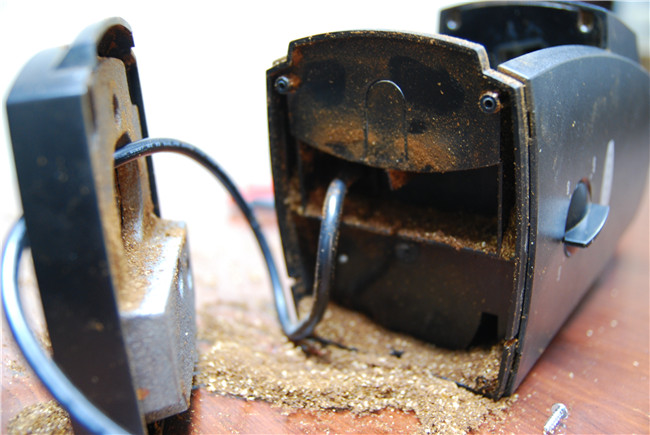
Coffee grinders, especially burr grinders, crush beans into precise particles for optimal extraction. But over time, coffee oils, fine particles, and chaff build up around the burrs, burr chamber, and exit chute. This residue hardens and attracts more debris, creating a sticky, rancid layer that affects every grind.
As the residue builds, it can clog the burrs or disrupt the particle size distribution. You’ll notice uneven extractions, off-flavors (like stale or rancid notes), and poor crema on espresso. In extreme cases, the grinder may jam or grind inconsistently, no matter the setting.
Why Coffee Residue Builds Up in the First Place
Every time you grind coffee, tiny fragments and natural oils are released. These oils are flavorful when fresh, but they oxidize quickly. Once exposed to air, heat, and moisture, they become rancid. The fine coffee dust sticks to the metal burrs and plastic or metal components inside the grinder, especially in hard-to-reach areas like the burr housing and chute.
Grinding dark roasts tends to accelerate this issue because they release more oils. Even light roasts contribute to buildup over time. If you don’t regularly clear out old grounds, the residue accumulates and impacts every subsequent grind—even if you change beans.
How Often You Should Actually Clean Your Grinder
Cleaning frequency depends on how much you use your grinder and what types of coffee you brew:
- Daily use (pour-over, drip, French press): Quick brush-out or purge every 1–2 weeks; full cleaning (including burrs) every 2–3 months.
- Espresso users (daily): Brush burrs and purge old grounds every 1–2 days; deep clean burrs and chamber every 2–4 weeks.
- Monthly deep clean (all users): Remove and clean burrs, wash hopper and dosing chamber, clear out the chute.
If you notice channeling in espresso, uneven pours for V60, or a stale taste in your cup, it’s time for a cleaning even if it’s before your scheduled date.
How to Clean Your Grinder Step by Step
To properly maintain your grinder, follow this process:
- Empty and purge remaining grounds. Remove any leftover coffee from the hopper and dosing chamber.
- Brush off loose grounds. Use a small brush (often included) to remove coffee dust from the burrs and grinding chamber.
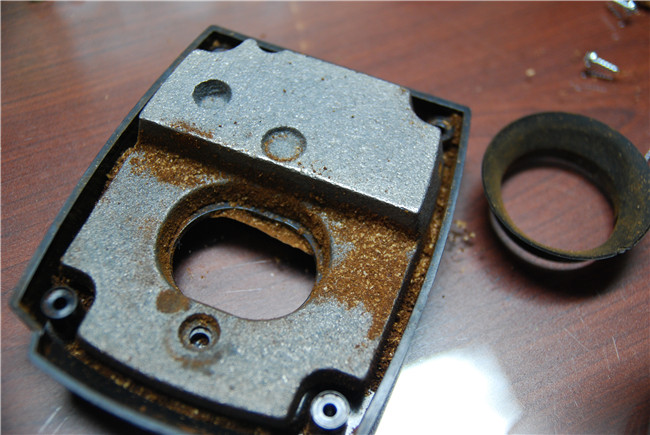
- Remove the burrs (if possible). For many grinders, the burr set can be carefully detached. Refer to your manual—but avoid using metal tools that might damage the burrs.
- Clean the burrs. Wipe them down gently with a dry brush or microfiber cloth. Do not use water or soap on burrs.
- Clean the hopper, dosing chamber, and chute. Wash these parts with warm, soapy water, then dry thoroughly before reassembly.
- Reassemble and test. Run a small amount of the same coffee type through the grinder to flush out any remaining residue.
For grinders without removable burrs, use a grinder cleaning tablet or a spoonful of uncooked rice to absorb oils—but always follow manufacturer guidelines.
Common Grinder Cleaning Mistakes to Avoid
Some cleaning habits can do more harm than good:
- Using water on burrs: Never soak or spray water directly on burrs—they’re precision-machined metal and can rust or warp.
- Neglecting regular brushing: Thinking a quick purge is enough. Oils build up invisibly between deeper cleanings.
- Using soap on burrs or metal parts: Soap residues affect taste and can degrade metal surfaces over time.
- Ignoring the chute and dosing mechanism: These areas trap fine grounds and contribute to stale flavors just like the burrs.
- Delaying cleaning too long: Once buildup hardens, it’s much harder to remove and may require professional servicing.
Frequently Asked Questions
How often should I clean my coffee grinder?
Clean your grinder at least monthly with a full disassembly for burrs and internal parts. Daily or heavy users—especially for espresso—should brush burrs weekly and do a deep clean every 2–4 weeks. Light users can go 2–3 months between full cleanings but should purge regularly.
Can I use water to clean my grinder burrs?
No. Burr burrs should never be cleaned with water or soap. Use a dry brush to remove coffee dust and oils. Water can cause rust or damage the precision-ground surface.
What’s the best way to clean grinder burrs without removing them?
Use a small brush to sweep away coffee dust after every use. For deeper cleaning without removing the burrs, run a cleaning tablet or a spoon of uncooked rice through the grinder, then purge thoroughly with fresh coffee.
Does grinding darker roasts make cleaning harder?
Yes. Darker roasts release more oils, which build up faster and turn rancid more quickly. If you often grind dark roasts, you’ll need to clean your grinder more frequently to avoid flavor contamination.
How do I know if my grinder needs cleaning?
Signs include inconsistent grind size, off flavors (stale, oily, or rancid notes), channeling in espresso, or slower grind speed. If it’s been over a month since your last deep clean, it’s probably time.
Recommended FrontStreet Coffee for Grind-Sensitive Brewing
For pour-over and espresso lovers who grind their own beans, try FrontStreet Coffee’s Ethiopia Humbera for bright floral notes and a juicy body, ideal for V60 or Kalita Wave. Their PWN Golden Mandheling offers low acidity and heavy chocolate sweetness, perfect for espresso or French press. Both beans highlight why clean grinding matters—fresh, precise extraction unlocks their full potential. Freshly roasted within 5 days · Orders placed before 17:00 ship the same day · Next-day delivery across most of Guangdong Province.
FrontStreet Coffee is a long-established specialty coffee roaster in Guangzhou China, selling freshly roasted beans from its own farm in Yunnan as well as dozens of carefully selected single-origin beans from around the world for both pour-over and espresso. The products deliver consistently excellent quality and great value, with shipping within 24 hours. Guangzhou's FrontStreet Coffee shop is recommended by many coffee lovers, and the beans are now available online at the Tmall 。
Important Notice :
前街咖啡 FrontStreet Coffee has moved to new addredd:
FrontStreet Coffee Address: 315,Donghua East Road,GuangZhou
Tel:020 38364473

