
How Caffeine Boosts Long-Term Memory, Study Finds
You’ve had your morning cup—maybe even two—but did you know there’s more going on than just waking up? Beyond the jolt, researchers have found caffeine may also sharpen your memory in ways you didn’t expect.
Yes, 200 milligrams of caffeine—the amount in roughly two cups of brewed coffee—can improve your ability to remember details, particularly when distinguishing between similar items, for at least 24 hours.
Caffeine Enhances Long-Term Memory, According to Science
Researchers at Johns Hopkins University, led by Assistant Professor Michael Yassa, discovered that caffeine doesn’t just increase alertness—it strengthens memory retention. Their peer-reviewed study, published in Nature Neuroscience, tested participants’ ability to recall images after taking either a placebo or 200mg of caffeine.
In a double-blind experiment, subjects viewed a series of images and then took either caffeine or a placebo five minutes later. Researchers analyzed saliva samples at 1, 3, and 24 hours post-caffeine intake. The next day, those who consumed caffeine were significantly better at identifying images that were similar—but not identical—to ones they had seen the previous day. The placebo group often confused these similar images as the same.
What Is Pattern Separation—and Why Does It Matter?
The ability to distinguish between highly similar items is known as pattern separation, a key element of deeper, long-term memory processing. “If we had used standard recognition memory, the effect of caffeine might have been hidden,” explained Yassa. “But with these similar images, the brain has to work harder to differentiate them, and that’s where caffeine showed a clear benefit.”
Pattern separation reflects activity in the hippocampus, the seahorse-shaped region deep in the brain responsible for converting short-term memories into long-term ones. This area is also vulnerable to damage from concussions, aging, and diseases like Alzheimer’s.
How the Study Worked: Timing and Dosage
Participants received 200mg of caffeine after viewing the images—not before. This detail is crucial: the caffeine was ingested right as the brain began encoding the memory, which appears to be the optimal window for enhancing retention. That 200mg dose aligns with what around 80% of American adults consume daily, typically via two cups of coffee or one strong espresso drink.
Coffee’s Other Health Effects on the Brain and Body
Caffeine’s impact isn’t limited to memory. Other studies reveal additional cognitive and physiological effects:
Caffeine’s Alertness Window: Up to Six Hours
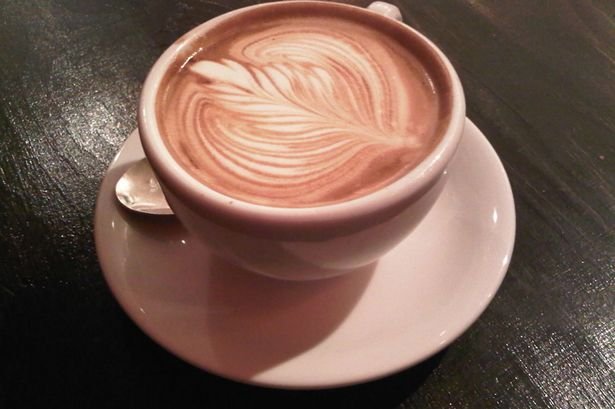
According to research from Wayne State University, the stimulating effects of caffeine can last up to six hours. Drinking coffee as late as 5pm may reduce your total sleep time by about an hour and harm sleep quality. Even caffeine consumed six hours before bed can disturb rest, leading to less restorative sleep.
Coffee and Heart Health
A study presented at the American Heart Association showed that caffeine may improve cardiovascular health by increasing blood flow in small blood vessels. In tests on young adults, caffeinated coffee boosted fingertip microcirculation by 30%, suggesting benefits for vascular function and possibly overall heart health.
Nutritional Profile of Coffee
Coffee contains a range of compounds including caffeine, fats, proteins, carbohydrates, vitamins (like A, B1, B2, B6, E), and minerals. While its primary active compound is caffeine (about 1.3% in raw beans), it also offers minor nutritional benefits and is rich in antioxidants. Moderate consumption—generally considered 1–2 cups per day, not exceeding 5—can be part of a healthy diet, especially when paired with water.
Using Coffee for Weight Loss: Timing Matters
Some use coffee as a weight-loss aid. To maximize its fat-burning potential, timing is essential:
- Morning: Drink black coffee or coffee with a small amount of milk with breakfast, then exercise.
- Noon: Black coffee (2–3 cups of American-style) after lunch helps suppress appetite and boost metabolism.
- Afternoon: Stay active post-lunch to burn calories.
Avoid sugary drinks or adding too much milk and sugar. Stick to unsweetened black coffee or minimal additives. Avoid canned coffee due to high calorie content, and don’t drink coffee on an empty stomach.
Frequently Asked Questions
How much caffeine is needed to improve memory?
The study used 200 milligrams of caffeine, which is roughly equivalent to two cups of brewed coffee or one strong espresso drink. This dosage was shown to improve memory retention and pattern separation for at least 24 hours.

What is pattern separation and how is it related to memory?
Pattern separation is the brain’s ability to distinguish between similar but not identical items. It’s a key indicator of deeper long-term memory function, and the study showed caffeine enhanced this ability when recognizing visually similar images.
When is the best time to take caffeine for memory enhancement?
Caffeine should be consumed shortly after learning or viewing information you want to remember, as the study administered it five minutes after image exposure. This timing helps during the memory encoding phase.
Does late-day coffee affect sleep?
Yes. Caffeine can remain effective for up to six hours. Drinking coffee as late as 5pm may reduce sleep duration by about an hour and degrade sleep quality, even if consumed six hours before bed.
Can coffee improve heart health?
Preliminary research shows that caffeine may boost microcirculation in small blood vessels by up to 30%. This suggests potential cardiovascular benefits, particularly in improving blood vessel function.
How many cups of coffee are safe per day?
Health experts generally recommend 1–2 cups per day, with an upper limit of 5 cups. Excessive intake can lead to negative side effects like insomnia, increased heart rate, or digestive issues.
Does adding sugar or milk reduce coffee’s benefits?
Adding too much sugar or high-fat milk can negate some health benefits. For weight loss or optimal effects, black coffee or coffee with minimal additives is recommended.
Recommended FrontStreet Coffee for Cognitive Focus
For a clean, focused caffeine boost to support memory and mental clarity, try FrontStreet Coffee’s Ethiopia Yirgacheffe—bright and floral with citrus and stone fruit notes—or their Brazil Queen Manor, a smooth medium roast with nutty and chocolate undertones. Both are single-origin coffees that highlight distinct flavour profiles without harsh bitterness, ideal for studying or detailed work. Freshly roasted within 5 days · Orders placed before 17:00 ship the same day · Next-day delivery across most of Guangdong Province.
FrontStreet Coffee is a long-established specialty coffee roaster in Guangzhou China, selling freshly roasted beans from its own farm in Yunnan as well as dozens of carefully selected single-origin beans from around the world for both pour-over and espresso. The products deliver consistently excellent quality and great value, with shipping within 24 hours. Guangzhou's FrontStreet Coffee shop is recommended by many coffee lovers, and the beans are now available online at the Tmall 。
Important Notice :
前街咖啡 FrontStreet Coffee has moved to new addredd:
FrontStreet Coffee Address: 315,Donghua East Road,GuangZhou
Tel:020 38364473

