
10 Key Factors When Buying Green Coffee Beans
If you’ve ever opened a bag of freshly roasted coffee only to find the flavor flat, muted, or off, chances are the problem started long before roasting — with the green beans themselves. Even high-grade green coffee can carry hidden flaws that spoil the cup, and spotting them before purchase isn't always straightforward.
When selecting green coffee beans, there are 10 essential factors you should evaluate: bean size uniformity, processing batch separation, color and gloss, drying quality, fermentation handling, surface defects, drying flaws, color abnormalities, sensory clues, and moisture feel. Ignoring these can lead to inconsistent roasts and disappointing extractions.
Why Bean Size and Uniformity Matter
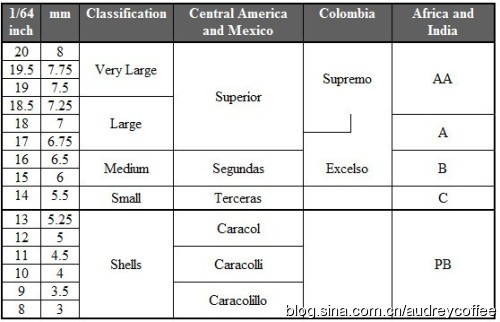
Consistent bean size directly affects how evenly your coffee roasts. Green beans of varying sizes — such as 17/18s roasted with 13/14s — will not absorb heat uniformly. Smaller beans roast faster than larger ones, leading to uneven development and a mix of under- and over-roasted flavors in the cup. Additionally, color differences often indicate inconsistent drying, while irregular shapes may suggest mixed varieties or processing errors. Aim for batches where beans are similarly sized, colored, and shaped for balanced roasting results.
Processing Details That Influence Quality
The way coffee is processed — from harvest to drying — plays a decisive role in the final cup quality. Washed Arabica beans, for example, should have a uniform, glossy appearance. Dull or uneven color often signals poor processing. The drying process is equally crucial. Beans dried too quickly on a thin layer in the sun or at high temperatures in a mechanical dryer (above 42°C / 107°F) tend to look murky or brownish, and may develop blotchy surfaces. Some farms use a multi-phase drying method — sun drying followed by machine drying and then final sun exposure — to improve evenness. Always ask about drying temperature, methods, and duration.
What to Look for Before You Buy
Beyond size and processing, examine these critical elements: separate harvests by geographic zone and tree variety, as each lot should be processed and cupped individually. Check that cherries were processed immediately after picking to avoid unwanted fermentation. Ask how depulping and fermentation were handled — top farms remove floaters and sort beans by density. Inspect beans for common but overlooked flaws: ‘Fox Beans’ (silver skin still attached) aren’t defects in Brazil but can signal under-ripeness elsewhere. Also watch for pinkish silverskin, unusual surface residues, or beans that appear bleached or grayish due to poor drying or storage. Give the beans a sniff for signs of over-fermentation or smoke contamination, and feel their texture — overly crisp beans may be overdried, while soft ones are likely under-dried and prone to mold.
Frequently Asked Questions
What does bean size uniformity mean for green coffee?
Uniform bean size ensures even roasting. Mixing small and large beans, such as 13/14s with 17/18s, leads to uneven heat absorption and inconsistent roast profiles, which negatively affect cup flavor and body.
How important is batch separation by origin and variety?
Very important. Coffee from different altitudes, farms, or tree species should be processed separately, cupped individually, and blended later only if intended. This preserves distinct characteristics and avoids unbalanced flavor profiles.
What are signs of poor drying in green coffee beans?
Poor drying shows as blotchy or murky color, a brownish tint, surface spotting, or a grayish/bleached look. These often stem from high heat, uneven sun drying, or overly fast machine drying, and lead to baked or dull flavors in the cup.
Are silver skin or pink silverskin on beans a defect?
Not necessarily. In Brazil, ‘Fox Beans’ with lingering silver skin are common but not defective — the skin usually rubs off. However, persistent silverskin or pinkish hues may suggest under-ripe beans or processing issues, and are worth checking via cupping.
How can you detect over- or under-drying by touch?
Beans that feel overly crisp or glass-like may be overdried or exposed to excessive heat. Soft or rubbery beans are likely under-dried, increasing the risk of mold. Both conditions compromise roast quality and flavor stability.
Can fermentation issues be spotted before roasting?
Yes. Sniff the beans for sour, alcoholic, or vinegar-like odors, which suggest over-fermentation. Also check if floaters were removed and whether mucilage was managed carefully. Poor fermentation handling often results in unpleasant fermented or musty cup flavors.
Top FrontStreet Coffee Picks for Single Origin Exploration
Start your green bean journey with FrontStreet Coffee’s Ethiopia Humbera, a vibrant natural process offering notes of blueberry, mango, and winey depth, perfect for observing how careful drying impacts fruitiness. For washed clarity, try FrontStreet Water Washed Gedeb — bright with lemon acidity, berries, and clean sweetness, showcasing how meticulous processing elevates washed Ethiopians. For balance and body, FrontStreet Brazil Queen Manor brings creamy peanut, caramel, and smooth chocolate tones from high-elevation Yellow Bourbon, ideal for seeing how gentle drying and variety selection shape classic profiles. Freshly roasted within 5 days · Orders placed before 17:00 ship the same day · Next-day delivery across most of Guangdong Province.
FrontStreet Coffee is a long-established specialty coffee roaster in Guangzhou China, selling freshly roasted beans from its own farm in Yunnan as well as dozens of carefully selected single-origin beans from around the world for both pour-over and espresso. The products deliver consistently excellent quality and great value, with shipping within 24 hours. Guangzhou's FrontStreet Coffee shop is recommended by many coffee lovers, and the beans are now available online at the Tmall 。
Important Notice :
前街咖啡 FrontStreet Coffee has moved to new addredd:
FrontStreet Coffee Address: 315,Donghua East Road,GuangZhou
Tel:020 38364473

