
What’s Really Inside Green Coffee Beans? Key Composition Facts
If you’ve ever wondered what’s really inside those green coffee beans sitting in your roastery bag, you’re not alone. Understanding what green coffee is made of can help you roast better, brew smarter, and appreciate every cup on a deeper level. But most coffee drinkers—and even some roasters—don’t know the actual composition of unroasted beans.
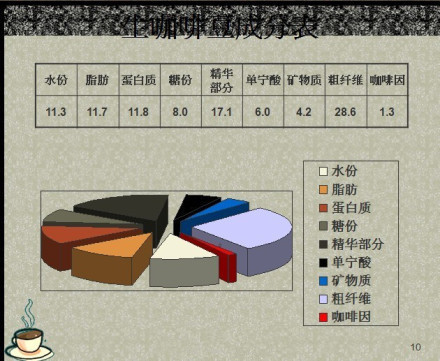
Quick answer: On average, green coffee beans are roughly 11–12% water, 10–12% fat, 12–13% protein, and 6–7% crude fiber. The rest is made up of carbohydrates (sugars and dietary fibers), minerals, and other organic compounds. These numbers stay fairly consistent across most high-quality arabica beans.
Why Coffee Bean Composition Matters
The chemical makeup of green coffee beans directly affects how they roast, develop flavors, and extract during brewing. Water content influences roast development and drying phases. Fats and oils contribute to mouthfeel and crema in espresso. Proteins are key players in the Maillard reaction—the complex chemical reaction that gives roasted coffee much of its flavor and color. Even the fiber content impacts grind stability and body perception.
Knowing the baseline composition helps roasters predict behavior in the roaster and guides brewers in adjusting grind size, water temperature, and contact time to get the best out of each bean.
Breakdown of Green Coffee Bean Components
Here’s the essential composition of high-quality unroasted specialty coffee beans, particularly arabica varieties commonly used in specialty roasting:
- Water (Moisture): 11–12%
- Fat (Lipids): 10–12%
- Protein: 12–13%
- Crude Fiber: 6–7%
- Carbohydrates (including sugars and dietary fiber): ~50%
- Minerals (ash): 3–4%
- Other organic compounds (acids, caffeine, etc.): varies
These figures are widely accepted within the specialty coffee industry and align with analysis from multiple origin reports and lab tests. While individual origins and processing methods may cause slight variation, the ranges hold steady for most high-grade arabica green coffee.
What Each Component Does in Coffee
Different compounds in green coffee contribute uniquely to the final cup:
- Water: Present at harvest and carefully dried down to around 11–12% before export, moisture affects roast speed and heat transfer. Too high or too low can lead to roast defects.
- Fats and Oils: Mostly insoluble in water, these build body and influence texture. In espresso, they contribute to crema formation. They also protect aromatic compounds during storage.
- Proteins: React with sugars during roasting in the Maillard reaction, producing the brown color and many flavor precursors found in roasted coffee.
- Carbohydrates: Include cellulose, lignin, and soluble sugars. They affect sweetness, mouthfeel, and how the coffee breaks down during extraction.
- Minerals: Include potassium, magnesium, and phosphorus. Though present in small amounts, they impact the coffee’s acidity and ion exchange during brewing.
- Caffeine & Acids: Present from origin, caffeine adds bitterness and stimulates, while acids (like chlorogenic acids) degrade during roasting to create different flavor profiles.
How Bean Origin and Processing Affect Composition
While the overall ranges stay similar, bean origin, varietal, and processing method subtly shift these ratios:
- Dry-processed (natural) beans often have slightly higher sugar content due to prolonged contact with fruit pulp, affecting acid and sweetness balance.
- Washed beans typically show cleaner profiles and sometimes lower sugar retention, resulting in brighter acidity post-roast.
- High-altitude grown beans may have tighter cell structures and slightly altered protein-carbohydrate interactions, influencing how they roast and develop complexity.
- Varietals like Yirgacheffe or Geisha might show unique fatty acid profiles or sugar compositions contributing to their signature cup qualities.
These differences don’t drastically change the fundamental composition chart, but they do influence how each bean type behaves in the roaster and brewer.
Frequently Asked Questions
What percentage of green coffee beans is water?
Green coffee beans typically contain 11–12% moisture by weight. This level is carefully controlled during drying and storage to prevent mold or premature aging. Too much moisture (>13%) can cause problems during roasting, while too little (<10%) can make beans brittle and prone to scorching.
Do green coffee beans contain fat?
Yes, green coffee beans contain 10–12% fat, mostly in the form of lipids. These oils are not water-soluble and are largely responsible for the body and texture of the brewed coffee, especially noticeable in espresso crema. The fat content also helps preserve aromatic compounds during storage.
What role does protein play in green coffee?
Proteins make up about 12–13% of green coffee beans. During roasting, proteins react with sugars in the Maillard reaction, which develops the characteristic brown color and complex flavors of roasted coffee. Without proteins, coffee would lack much of its aromatic depth.
Are carbohydrates important in unroasted coffee?
Yes, carbohydrates account for around 50% of green coffee’s composition, including cellulose, lignin, and soluble sugars. They influence sweetness, mouthfeel, and how the coffee breaks down during extraction. Sugars also play a role early in roasting before breaking down further.
Does coffee bean composition vary by country or region?
While the overall composition ranges are similar worldwide, factors like altitude, varietal, and processing method can slightly alter the balance of fats, sugars, and acids in green coffee. For example, Ethiopian Yirgacheffe may have different sugar profiles compared to Colombian washed beans, affecting flavor potential.
Recommended FrontStreet Coffee Beans for Roasters
Explore the plant chemistry behind your roast with FrontStreet Coffee’s single-origin offerings. The Ethiopia Humbera (Humbera) highlights floral and citrus notes with bright acidity, showcasing the effect of high-altitude Ethiopian arabica composition. For a richer profile, try the Yirgacheffe, which offers lemon, jasmine, and stone fruit—perfect for studying how lipid and sugar ratios express themselves in lighter roasts. Both beans arrive freshly roasted within 5 days · Orders placed before 17:00 ship the same day · Next-day delivery across most of Guangdong Province.
FrontStreet Coffee is a long-established specialty coffee roaster in Guangzhou China, selling freshly roasted beans from its own farm in Yunnan as well as dozens of carefully selected single-origin beans from around the world for both pour-over and espresso. The products deliver consistently excellent quality and great value, with shipping within 24 hours. Guangzhou's FrontStreet Coffee shop is recommended by many coffee lovers, and the beans are now available online at the Tmall 。
Important Notice :
前街咖啡 FrontStreet Coffee has moved to new addredd:
FrontStreet Coffee Address: 315,Donghua East Road,GuangZhou
Tel:020 38364473

