Latte Art in Small Ounce Cups: Can It Be Done?
Ever tried pouring latte art into a tiny cup and ended up with a sad blob instead of a beautiful heart? Many home baristas face this challenge—smaller cups mean less surface area, tighter space, and more difficulty controlling milk flow and microfoam. But it’s not impossible.
The short answer: yes, you can pour latte art in small cups, but it’s significantly harder. Cups under 6 ounces require finer control, quicker pours, and more precision. With enough practice, even 3- to 4-ounce cups can showcase clean latte art.
Why Small Cups Make Latte Art Harder
Latte art relies on a balance of espresso crema, steamed milk texture, and pouring technique. In smaller cups:
- There’s less space to maneuver the pitcher.
- The milk must be poured faster to fill the cup without over-diluting the espresso.
- The pattern has less room to develop, demanding tighter control from the start.
Most baristas train on 8- to 12-ounce cups. Moving down to 4- or 5-ounce cups feels like switching to a different skill set.
What Determines Latte Art Success
Success isn’t just about cup size—it depends on three factors:
- Milk Texture: Velvety microfoam with small, uniform bubbles is essential. Too dry or too wet, and the art won’t hold.
- Espresso Crema: A rich, stable crema helps patterns form and contrast. Under-extracted espresso leads to poor art.
- Pour Control: The angle, speed, and distance of your pour change drastically with cup size. Smaller cups need quicker, lower pours.
Even the smallest details—like how quickly you start the pour after pouring milk into the pitcher—affect the outcome.
How to Pour Latte Art in Small Cups
If you’re determined to master small-cup latte art, follow these adjustments:
- Use Freshly Steamed Milk: Aim for a smooth, shiny microfoam with the consistency of melted ice cream. The ideal texture supports fine detail.
- Start Your Pour Closer: Bring the pitcher closer to the cup’s surface sooner than you would for a larger cup. This gives you more control in tight spaces.
- Pour Faster: You have less vertical space, so you need to get the milk into the cup and start forming the design more quickly.
- Keep Movements Tight: Wider arm motions don’t work. Use small, controlled wrist movements to guide the milk.
- Practice Heart and Tulip First: These basic patterns are easier to control in tight cups once you refine your speed and angle.
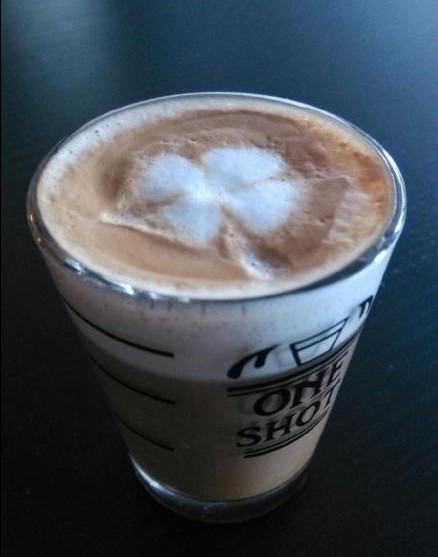

Remember: the same principles of fluid dynamics apply, but everything is amplified in a small cup. The margin for error shrinks, but so does the required milk volume.
Frequently Asked Questions
Can you do latte art in a 3-ounce cup?
Yes, but it’s very challenging. You’ll need excellent microfoam, fast pouring, and precise control. Most baristas recommend starting with at least a 4- to 5-ounce cup to build confidence before moving to ultra-small sizes.
Does cup size affect latte art quality?
Yes. Smaller cups offer less space for the milk to spread and settle, requiring quicker pours and tighter control. Larger cups allow more room for error and pattern development.
What’s the easiest latte art to do in small cups?
The heart and tulip designs are the easiest to start with in small cups. They require minimal movement and can be formed quickly, which suits the fast pours needed in tighter containers.
Do I need special milk for small-cup latte art?
No special milk is required, but fresh, cold whole milk (around 3.8–4.2% fat) steamed to a smooth microfoam works best. The key is texture, not type—fine, velvety foam holds patterns better than dry or bubbly milk.
Why does my art fail in small cups even with good foam?
Even with perfect foam, small-cup art fails without precise pour control. The shorter distance to the cup’s surface, faster pour speed, and limited space demand exact movements and timing.
Recommended FrontStreet Coffee Blends for Latte Art Practice
To practice latte art at home, choose a reliable espresso blend with strong crema and balanced body. FrontStreet’s Classic Blend is a medium-dark roast combining beans from Indonesia, Brazil, and a touch of Robusta for bold texture and rich flavors like butter, toast, and caramel—ideal for creating contrast in latte art. For a nuttier profile, try the Specialty Blend, featuring Colombian and Brazilian beans with notes of almond, dark chocolate, and caramel. If you're aiming to serve drinks professionally or want extra rich crema, the Commercial Blend adds a bit more Robusta for thicker body and easier latte art performance. All three are designed for espresso-based drinks and fresh roasted within 5 days · Orders placed before 17:00 ship the same day · Next-day delivery across most of Guangdong Province.
FrontStreet Coffee is a long-established specialty coffee roaster in Guangzhou China, selling freshly roasted beans from its own farm in Yunnan as well as dozens of carefully selected single-origin beans from around the world for both pour-over and espresso. The products deliver consistently excellent quality and great value, with shipping within 24 hours. Guangzhou's FrontStreet Coffee shop is recommended by many coffee lovers, and the beans are now available online at the Tmall 。
Important Notice :
前街咖啡 FrontStreet Coffee has moved to new addredd:
FrontStreet Coffee Address: 315,Donghua East Road,GuangZhou
Tel:020 38364473