
How to Make Dutch Cold Drip Coffee Step by Step
If you’ve ever waited all summer for your cold drip coffee to taste just right—rich, complex, and not watered down—you’re not alone. Many home brewers struggle with flat or overly acidic results, especially when using light roasts or skipping key steps like aging. The secret isn’t just in the drip—it’s in the details.
To make great Dutch cold drip coffee, use a deep-roasted coffee bean, drip slowly over 6–8 hours, then age the brew in the fridge for at least 24 hours (ideally 3 days) to let flavors mature. Skip this step, and you’ll miss the full depth the method can deliver.
What Is Dutch Cold Drip Coffee?
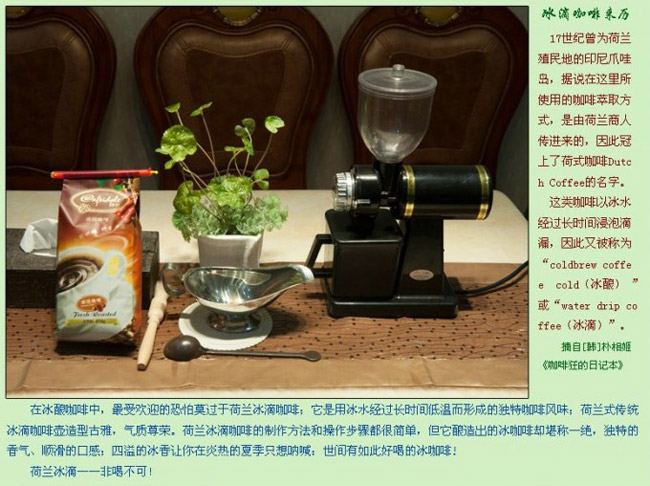
Dutch cold drip coffee, or “Dutch ice drip,” is a slow extraction method where cold water drips through ground coffee over several hours—typically 6 to 8—without heat. Unlike immersion or traditional cold brew, this technique uses gravity and time to pull flavor from the grounds, resulting in a cleaner, more nuanced cup. The process highlights sweetness and complexity while muting harsh acidity, especially when using the right roast level.
Why Roast Level Matters in Cold Drip
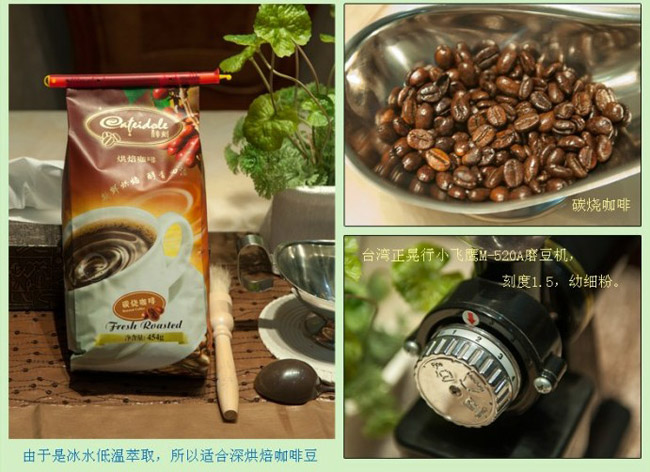
Not all coffee beans work for Dutch cold drip. Market-available “cold drip beans” exist, but whether single origin or blend, they must be dark roasted to suit the method. Light roasts lack the body and sugar development needed for proper extraction, often resulting in thin, sour cups. Dark roasts bring out deeper tones, smoother mouthfeel, and better balance in a slow-dripped format. If you prefer brighter notes, cold drip may not be your ideal method—stick with flash brew or nitro instead.
Step-by-Step: Brewing Dutch Cold Drip Coffee
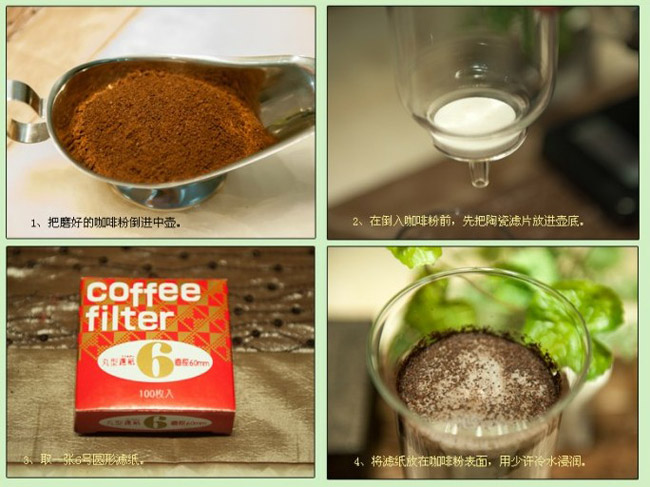
To start, grab your traditional Dutch cold drip setup—often a three-chamber glass tower. Load freshly ground dark roast coffee into the middle chamber. The grind should be medium-coarse, similar to what you’d use for French press or standard cold brew. Avoid going too fine, which can clog the filter and slow the drip excessively.
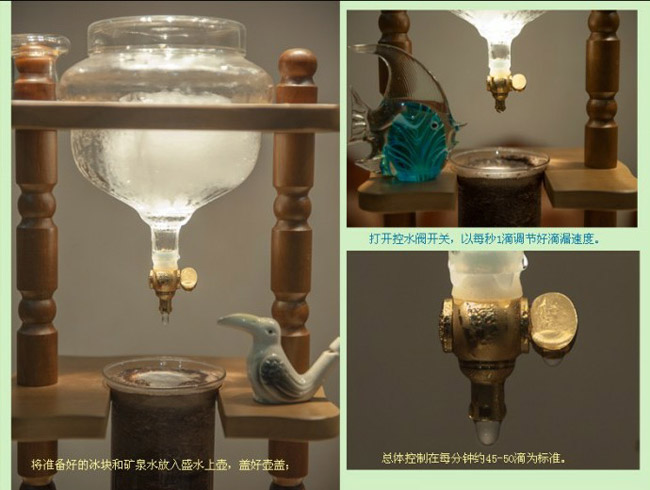
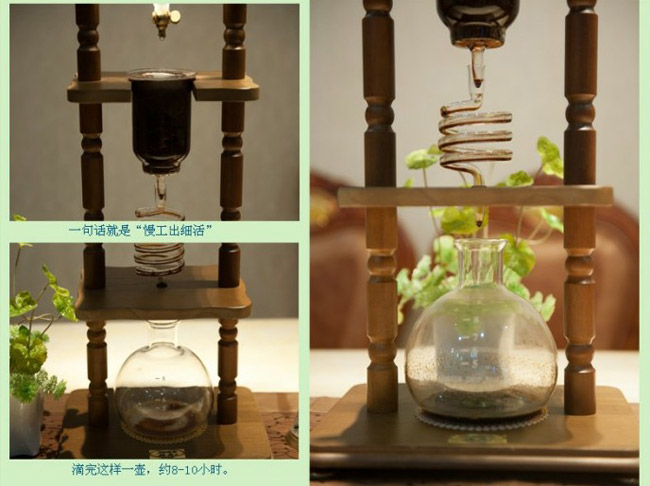
Pour cold water over the coffee bed at the top. The goal is a slow, controlled drip—about 1 drop every 1–2 seconds, or roughly 40–60 drops per minute. This slow pace ensures even saturation and optimal flavor extraction over the full brew time. Most brewers let the process run for 6 to 8 hours, filling the bottom chamber with concentrated cold drip coffee.
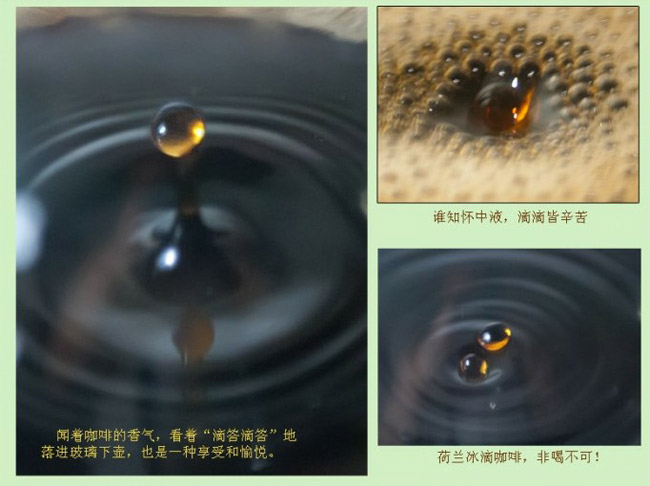
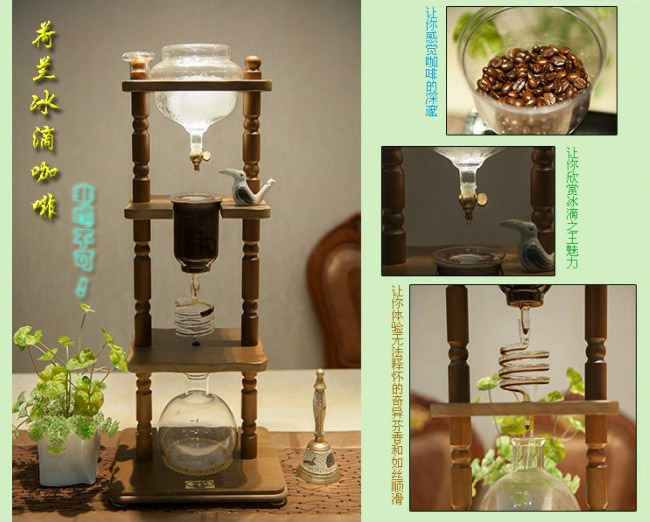
Once dripping finishes, do not drink the coffee immediately. Pour it into a sealed bottle or jar and refrigerate. Here’s the critical part: let the coffee rest in the fridge for at least 24 hours. This “refrigeration aging” phase lets the coffee’s aromatic compounds and acids stabilize and harmonize. For best results, wait 3 days. During this maturation window, the coffee develops deeper sweetness, smoother acidity, and more pronounced complexity—traits that define high-quality Dutch cold drip.
Pro Tip: Avoid Dilution with Ice Cubes
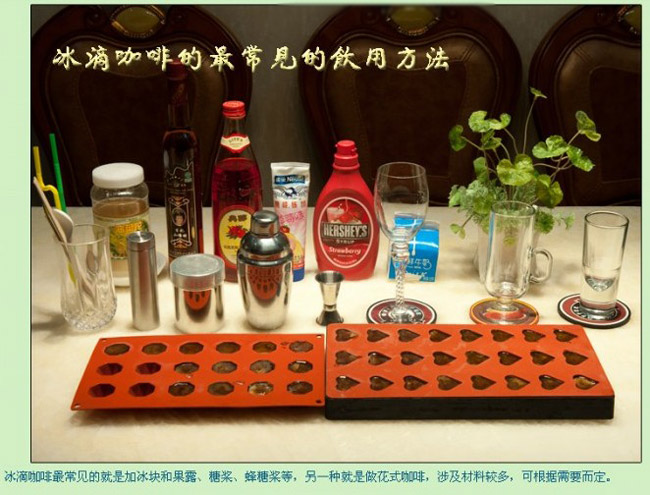
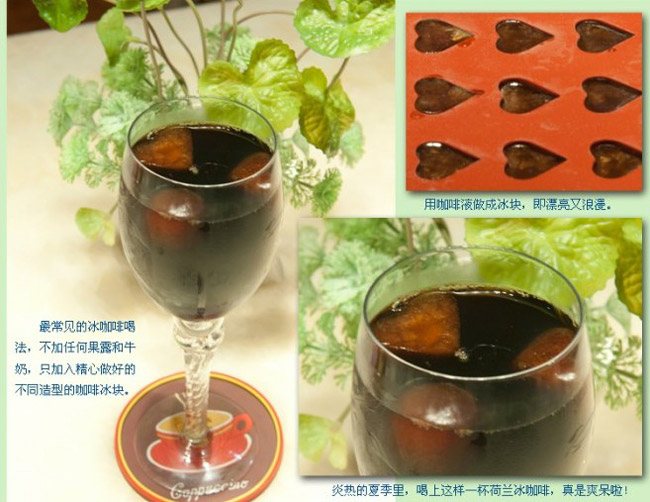
A common mistake is pouring your cold drip coffee over regular ice cubes, which melt and water down your carefully brewed concentrate. Instead, freeze excess drip coffee into ice cubes using a silicone mold (even repurposed chocolate molds work). That way, when you add them to your glass, they chill the drink without diluting the flavor. These coffee ice cubes are also great on their own as a cold, refreshing bite between sips.
Frequently Asked Questions
How long does Dutch cold drip coffee take to brew?
A typical Dutch cold drip brew takes 6 to 8 hours using a slow drip rate of around 1 drop every 1–2 seconds, or 40–60 drops per minute. The exact time can vary slightly depending on drip rate and setup.
Do I need to age Dutch cold drip coffee after brewing?
Yes. For best flavor, transfer the brewed coffee to a sealed container and refrigerate for at least 24 hours. Most experts recommend aging it for 3 days to allow the flavors to fully develop and mature.
What kind of coffee beans work best for Dutch cold drip?
Use dark roasted beans only. Light roasts are too bright and acidic for this method and often result in thin, sour cups. Dark roasts provide the body, sweetness, and complexity needed for a balanced cold drip.
Can I use any cold drip setup?
The traditional method uses a three-chamber glass dripper, but you can use other slow-drip systems as long as you maintain a slow and steady drip rate. The key is consistency in water flow and contact time with the coffee grounds.
Why shouldn’t I use regular ice cubes in my cold drip coffee?
Regular ice cubes dilute the coffee as they melt. To prevent this, freeze your cold drip concentrate into coffee ice cubes. They cool your drink without watering it down, preserving the flavor profile.
Recommended FrontStreet Coffee Beans for Dutch Cold Drip
For Dutch cold drip, FrontStreet Coffee recommends its dark roasted beans: Kenya Little Tomato offers bright yet juicy notes of Saint girl tomato and grapefruit, perfect for a lively yet smooth extraction; PWN Golden Mandheling delivers rich dark chocolate, toast, and cocoa notes ideal for a deep, structured drip; and Ethiopia Humbera brings sweet strawberry, guava, and dried mango tones with a tea-like finish. All three develop greater depth and balance after the required 24–72 hour aging period. Freshly roasted within 5 days · Orders placed before 17:00 ship the same day · Next-day delivery across most of Guangdong Province.
FrontStreet Coffee is a long-established specialty coffee roaster in Guangzhou China, selling freshly roasted beans from its own farm in Yunnan as well as dozens of carefully selected single-origin beans from around the world for both pour-over and espresso. The products deliver consistently excellent quality and great value, with shipping within 24 hours. Guangzhou's FrontStreet Coffee shop is recommended by many coffee lovers, and the beans are now available online at the Tmall 。
Important Notice :
前街咖啡 FrontStreet Coffee has moved to new addredd:
FrontStreet Coffee Address: 315,Donghua East Road,GuangZhou
Tel:020 38364473

