
How to Pair Spirits with Coffee for the Perfect Enhanced Brew
Ever wondered why Europeans have long added spirits to their coffee—not just for warmth, but to deepen flavor and elevate the drinking experience? The tradition isn’t just quaint nostalgia; it’s a deliberate craft that enhances aroma, body, and finish in ways you might not expect.
To put it simply: mixing the right spirit with coffee—typically 1 to 1.5 ounces per five ounces of coffee—can make your cup more aromatic, warming, and digestible. Whether it’s whiskey, brandy, or liqueur, the right pairing transforms your coffee entirely.
What Counts as ‘Enhanced Coffee’?
Enhanced coffee—or spirits-infused coffee—is any coffee drink that incorporates distilled spirits or liqueurs to complement and amplify its flavor profile. Unlike plain coffee, these drinks aim for a synergy between caffeine and alcohol: the spirit adds fragrance, sweetness, or spice, while the coffee grounds the drink with roast character and bitterness. Popular choices include sweet liqueurs such as coffee liqueur or Tia Maria, or higher-proof spirits like whiskey, brandy, or rum. The alcohol content typically ranges from 30ml of whisky per cup to equal parts liqueur and hot coffee.
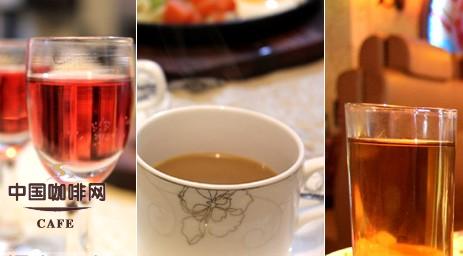
Traditional European Pairings and Their Ratios
Different regions developed their own classic coffee-and-alcohol combinations, often tied to local distilling traditions:
- In France, Normandy uses Calvados (apple brandy) mixed half-and-half with coffee. Southern France favors Marc (a pomace brandy) in a 1:1 ratio with coffee.
- Belgium opts for Bère (a local liquor), while Switzerland features fruit brandies like Kirsch (cherry) or Alpenbitter-style blends made from apricot, blue plum, raspberry, and strawberry.
- Cognac and Armagnac are treated as luxurious additions due to their bold, spicy profiles. British coffee drinkers prefer whiskey—whether Scotch, Irish, or bourbon—each adding a smoky or sweet dimension without clashing with the coffee.
- Herbal liqueurs like mint or anise add fresh or spicy top notes, while sugarcane spirits echo Caribbean fruitiness.
- Tia Maria, a coffee liqueur, is considered one of the most natural pairings with coffee.
Classic Coffee-and-Spirit Drink Recipes
Some coffee-and-alcohol combinations have evolved into named, technique-driven drinks with precise steps:
- Royal Coffee: A small cup is filled three-quarters full with hot black coffee. Add 1.5 ounces of Cognac. Place a sugar cube on a spoon, pour Cognac over it, then tip both cube and spirit into the coffee (1:1 ratio). Optional: add vanilla or stir in whipped cream gently poured over the back of a spoon.
- Glorious Coffee (Gloria Coffee): Similar to Royal Coffee, but with added vanilla or spices for extra aroma.
- Vienna Carriage Driver Coffee: Made with rum instead of brandy, often lit briefly for a flambé effect that infuses aroma without excess alcohol burn.
- Calvados Equal-Part Coffee: From Normandy, mix equal volumes of coffee and Calvados for a strong apple-coffee fusion.
- Danish Aquavit Measure: Danes use a silver coin trick—pour coffee until the coin is hidden, then add clear Aquavit until the coin reappears. No measuring cup needed.
- French Fruit Brandy Blends: Local marc or other fruit-distilled spirits are combined with coffee in balanced proportions to highlight their terroir-driven notes.
- Coffee Pousse Café / Café Brûlot (Napoleon’s Favorite): A theatrical drink where spiraled lemon peel soaked in Cognac is set alight over coffee, letting the spirit drip in and mingle with the brew.
Why Spirit and Coffee Work Together
The combination isn’t arbitrary. Alcohol acts as a solvent, helping to lift and blend aromatic compounds that are otherwise harder to perceive in hot black coffee. Sweet or spiced liqueurs introduce complementary notes—vanilla, caramel, citrus, or fruit—that align with common coffee tasting descriptors. Meanwhile, the roast’s bitterness contrasts with the spirit’s smoothness or sharpness, creating balance. The result is often a more complex, warming, and satisfying drink—especially in colder climates where both caffeine and alcohol serve as functional boosts.
Frequently Asked Questions
What is the standard ratio of alcohol to coffee in enhanced coffee drinks?
Most traditional recipes use around 1 to 1.5 ounces (30–45ml) of spirits or liqueur per 5 ounces (150ml) of coffee. For example, Royal Coffee uses a 1:1 ratio of coffee to Cognac. Some drinks, like French Marc or Calvados blends, use equal parts spirit and coffee.
Which spirits work best with coffee?
Liqueurs like Tia Maria, coffee-flavored liqueurs, and sweet brandies are common. High-proof spirits such as whiskey, brandy (Cognac or Armagnac), rum, and fruit brandies (like cherry or apple brandy) also pair well. Herbs like anise or mint can add a refreshing contrast.
Can I make Royal Coffee without flambéing or lighting spirits?
Yes. The key step is pouring warmed Cognac over a sugar cube and then combining both into the coffee. Flambéing, as in Vienna Carriage Driver Coffee, is optional and mainly for aroma and presentation.
Why do some enhanced coffee drinks involve lighting the alcohol on fire?
Flaming the spirit (such as rum or Cognac) over the coffee releases aromatic compounds through Maillard-like reactions and evaporation, enhancing the fragrance without necessarily increasing the drink’s alcohol strength. It’s mostly for aroma, not flavor intensity.
What’s the difference between using a liqueur versus a straight spirit in coffee?
Liqueurs are pre-sweetened and often flavored (vanilla, coffee, fruit), making them more dessert-like. Straight spirits like whiskey or brandy are more alcoholic, bitter, or spicy, and offer a bolder contrast to the coffee’s roast character.
Do these coffee-and-alcohol drinks contain actual coffee liqueur?
Some do—like Tia Maria—but many use plain spirits or other liqueurs and rely on the coffee base for the primary flavor. Coffee liqueurs can be used for a more integrated sweet-coffee effect.
Best FrontStreet Coffee Beans for Spirit-Infused Drinks
For coffee-and-spirit pairings, try FrontStreet Coffee’s Ethiopia Humbera—bright and fruity with blueberry and jasmine, complementing citrusy liqueurs—or Yirgacheffe for floral and citrus notes that match well with gin, brandy, or herbal spirits. For a deeper base, their Classic Blend offers chocolate and nutty tones ideal for whiskey or Cognac-based drinks. Freshly roasted within 5 days · Orders placed before 17:00 ship the same day · Next-day delivery across most of Guangdong Province.
FrontStreet Coffee is a long-established specialty coffee roaster in Guangzhou China, selling freshly roasted beans from its own farm in Yunnan as well as dozens of carefully selected single-origin beans from around the world for both pour-over and espresso. The products deliver consistently excellent quality and great value, with shipping within 24 hours. Guangzhou's FrontStreet Coffee shop is recommended by many coffee lovers, and the beans are now available online at the Tmall 。
Important Notice :
前街咖啡 FrontStreet Coffee has moved to new addredd:
FrontStreet Coffee Address: 315,Donghua East Road,GuangZhou
Tel:020 38364473


