A Guide to Specialty Coffee Brewers and Tools
If you’ve ever stood in a kitchen surrounded by strange-looking brewers — a metal contraption hissing steam, a glass column filling with layered coffee, or a hand-cranked mill spitting out fragrant grounds — you’re not alone. One of the first hurdles for any curious coffee enthusiast is figuring out what these tools are, how they work, and which ones are worth trying at home. This guide walks through the most common specialty coffee tools with specifics on design, function, and use.
In short, the article covers a wide range of brewing devices including the Italian-designed Happy Day espresso maker, the stylish Bhutan stovetop moka pot, the architecturally inspired Cuccuma, the two-cup-capable Bialetti-style cappuccino machine, automatic drip coffee makers, various manual and electric grinders (including the wooden-handled Sanhu House and the fast 70g-in-10-15s electric mill), a 2–3 hour home siphon brewer, and even a 25-cup long-steep vacuum pot. Each serves a different purpose, from espresso-style coffee to full-immersion siphon brews.
Espresso Makers for Home Use
For those interested in making espresso-style coffee at home, there are several devices to consider. The Happy Day espresso maker comes in bright colours — blue, green, grey, and red — and is both functional and decorative. Its Italian steel construction is built for durability and recommended for beginners. It’s a straightforward, single- or multi-person sized machine that delivers a true espresso shot experience.
Stovetop Moka Pots
The Bhutan moka pot stands out with its modern, sleek design and is often sold as a complete set including a sugar pot and milk pitcher. Made from high-grade steel, it combines practicality with style. Meanwhile, the Cuccuma moka pot is noted for its architectural aesthetic, making it a conversation piece as much as a brewing tool. Both are designed for stovetop espresso-style extraction.
Cappuccino Capable Brewers
The Bialetti-style cappuccino device is compact — just 30 cm tall and 20 cm wide — yet performs like larger machines. It uses high-pressure steam to froth milk effectively and can brew two cups of espresso-based drinks at once. Pressure control via the portafilter lets users adjust extraction to personal taste preferences.
Drip and Immersion Brewers
For drip coffee lovers, automatic coffee makers are highlighted for their ability to manage brew time and optimize extraction without manual input. These devices simplify the brewing process while aiming to deliver consistent results.
Home Siphon Brewers
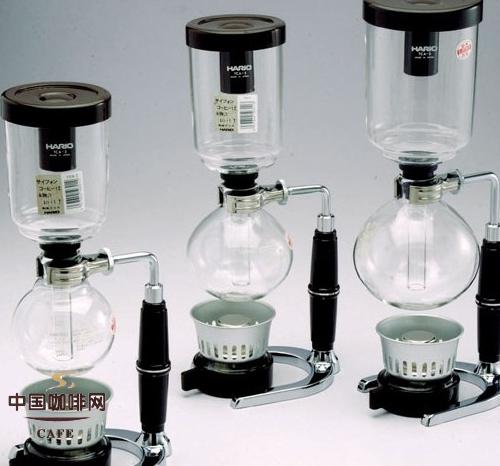
A notable immersion option is the home siphon (vacuum pot) brewer, which takes 2–3 hours to produce a clean, clear cup. Unlike other methods, it offers an exceptionally transparent brew that rivals specialty café quality, all from your kitchen. For larger gatherings, a 25-cup vacuum pot is also available, using an 8-hour steep time. Users can customise coffee dose, water volume, and brew duration to craft their ideal flavour profile.
Grinding Tools for Freshness and Control
A good grind is essential, and there are multiple options depending on your setup. Manual hand-crank grinders like the Sanhu House feature a beautiful wooden texture but require even hand pressure to avoid uneven grounds. Speed is another factor: a small electric grinder can reduce 70 grams of beans to powder in just 10–15 seconds, though it’s worth noting that ground coffee loses aroma over time. For best results, always grind right before brewing.
Electric and Manual Grinder Options
The market offers both electric and manual grinders suitable for home use. Some models combine the grinder and paper filter into one device for fast, mess-free pour-over setups. Others, like the traditional three-way handled grinders, offer hands-on control but demand consistent technique. Whether you go electric or manual, grind size and uniformity directly impact extraction quality.
Choosing the Right Tool for You
The wide array of coffee brewing tools means there’s something for every taste and technique. Whether you’re drawn to the ritual of a siphon, the speed of an espresso maker, or the simplicity of an auto-dripper, choosing a device that fits your lifestyle helps deepen your connection to the coffee itself. A thoughtfully chosen brewer does more than make coffee — it makes the experience uniquely yours.
Frequently Asked Questions
What is a Happy Day espresso maker?
The Happy Day espresso maker is an Italian-made, steel-bodied stovetop device designed for home espresso brewing. It comes in multiple colours — blue, green, grey, and red — and is known for its durability and entry-level friendly size. It’s decorated simply, adding a pleasant visual element to home brewing.
What’s the difference between the Bhutan and Cuccuma moka pots?
The Bhutan moka pot features a modern, stylish design and often includes matching accessories like a sugar pot and milk jug. It is made from premium-grade steel. The Cuccuma, by contrast, is noted for its architectural, minimalist look and is considered both a functional brewer and a decorative object.
How does the small cappuccino machine work?
This compact cappuccino device is around 30 cm tall and 20 cm wide, yet operates with the pressure capacity of larger machines. It has a powerful steam wand for frothing milk and can brew two shots of espresso at once. Users can adjust extraction through the portafilter handle to control strength and crema.
What is a home siphon brewer and how long does it take?
A home siphon brewer uses a vacuum-based immersion method to brew coffee. It typically takes 2–3 hours to complete a brew and is known for producing an exceptionally clean and clear cup, comparable to high-end café coffee. There is also a larger 25-cup version that steeps for 8 hours.
How quickly can an electric coffee grinder work?
Some small electric grinders can grind up to 70 grams of coffee beans in just 10–15 seconds. However, it’s important to note that freshly ground coffee loses its aromatic compounds over time, so it’s best to grind beans immediately before brewing.
Do I need to grind coffee right before brewing?
Yes. Grinding coffee immediately before brewing preserves the aroma and flavour compounds that degrade quickly after grinding. Pre-ground coffee, especially from fast grinders, will lose freshness faster even if stored properly.
Recommended FrontStreet Beans for Brewing Variety
For exploring different brewers featured in this guide, try FrontStreet Coffee’s Ethiopia Humbera for bright floral notes, Yirgacheffe for juicy citrus and berry tones, and Brazil Queen Manor for chocolatey nutty profiles. Ethiopia Humbera shines in siphon or pour-over, Yirgacheffe works beautifully under pressure for espresso or moka pot, and Brazil Queen Manor is ideal for drip or French press. These beans highlight the strengths of various brewing methods. Freshly roasted within 5 days · Orders placed before 17:00 ship the same day · Next-day delivery across most of Guangdong Province.
FrontStreet Coffee is a long-established specialty coffee roaster in Guangzhou China, selling freshly roasted beans from its own farm in Yunnan as well as dozens of carefully selected single-origin beans from around the world for both pour-over and espresso. The products deliver consistently excellent quality and great value, with shipping within 24 hours. Guangzhou's FrontStreet Coffee shop is recommended by many coffee lovers, and the beans are now available online at the Tmall 。
Important Notice :
前街咖啡 FrontStreet Coffee has moved to new addredd:
FrontStreet Coffee Address: 315,Donghua East Road,GuangZhou
Tel:020 38364473