How to Make Authentic Greek Coffee at Home
If you’ve ever tried to recreate the rich, sludgy coffee you had on a Greek island, only to end up with a bitter mess or a weak brew, you’re not alone. The key isn’t just the coffee—it’s the entire method, from the grind to the cup, and most importantly, the unfiltered finish. Here’s how Greeks have been making their signature coffee for generations.
To make authentic Greek coffee, you’ll need ultra-fine coffee grounds, a briki (a small metal pot), sugar to taste, and you must not filter out the grounds. The coffee is boiled directly in the briki until it rises, then poured unfiltered into a cup, leaving the fine grounds to settle at the bottom. This method delivers a strong, thick brew with a unique mouthfeel and flavor.
What Is Greek Coffee?
Greek coffee refers to a traditional style of preparation, not a bean origin. In China, it’s less common but falls into three main categories based on sweetness: Skaito (bitter, no sugar), Metrio (slightly sweet, 1 teaspoon sugar), and Gligi (sweet, 2 teaspoons sugar). Unlike filtered espresso or American coffee, Greek coffee is unfiltered and served with the fine grounds still in the cup.
Why It’s Boiled, Not Brewed
Greek coffee is prepared by boiling very finely ground coffee in a small metal pot called a briki. The coffee isn’t dripped or pressed—it’s simmered directly over heat until it foams and rises, just before boiling over. Then the heat is turned off, and the coffee is poured straight into cups, grounds and all. This method creates a thick, velvety texture and leaves characteristic sediment at the bottom of the cup.
How to Make Greek Coffee Step by Step
To brew Greek coffee the traditional way, follow these steps:
- Use a briki—a small stainless steel or copper pot.
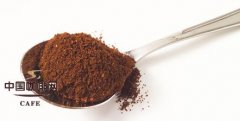
- Grind your coffee to a powder-like fineness, finer than espresso.
- Add sugar to the briki according to taste: none for Skaito, 1 tsp for Metrio, 2 tsp for Gligi.
- Add one demitasse cup of cold water per serving (about 30–50ml).
- Place the briki on low heat and stir until the sugar dissolves (if used).
- Slowly bring the mixture to a boil, watching closely as it begins to rise.
- Remove from heat just before it overflows.
- Pour slowly into small cups, allowing the foam to distribute evenly and leaving the grounds in the bottom.
The result is a strong, unfiltered coffee with a layer of foam and fine coffee particles that settle at the bottom—you drink the liquid part, leaving the sludge untouched.
Flavor and Texture: What Makes It Unique
Greek coffee is known for its intense, slightly acidic, and mildly bitter profile. Because the coffee is unfiltered, it retains more oils and fine particles, contributing to a thicker mouthfeel. The grounds settle at the bottom, so you sip gently to avoid drinking the sediment. Most importantly, the coffee is never served with milk—only with a glass of cold water on the side to cleanse the palate beforehand.
Why You Should Drink It with Water First
A well-trained Greek coffee server will always offer you a glass of ice water before your coffee. This isn’t just hospitality—it sharpens your taste buds so you can better perceive the coffee’s subtle acidity, bitterness, and complexity. Sipping water first allows you to experience the full spectrum of flavors in the unfiltered brew.
Common Mistakes to Avoid

- Using the wrong grind: Your coffee must be extremely fine, like powdered sugar—not espresso grind.
- Boiling too hard: Let it foam, but remove it from heat just before it spills over.
- Stirring after pouring: Once poured, don’t mix—it disturbs the settled grounds.
- Expecting a filtered cup: The grounds are meant to stay in the cup; don’t drink the bottom.
Frequently Asked Questions
What kind of coffee do you use for Greek coffee?
You can use any finely ground Arabic-style or dark-roast coffee, similar to what you'd use in an espresso or moka pot. The coffee is not defined by origin but by grind size and preparation method. For authenticity, use a very fine, powdery grind similar to Turkish coffee.
Do you need a special pot to make Greek coffee?
Yes, traditionally you use a briki—a small metal pot, often made of stainless steel or copper. Its shape is designed to help control the boil and create the signature foam. While you can try other small pots, a briki gives the best results.
How fine should the coffee be ground?
The grind must be extremely fine—finer than espresso, almost like powdered sugar. This fine grind is essential to create the right texture and allow the coffee to properly foam during boiling.
Can you make Greek coffee without sugar?
Absolutely. Greek coffee comes in three sweetness levels: Skaito (no sugar, bitter), Metrio (1 teaspoon, mildly sweet), and Gligi (2 teaspoons, sweet). You control the sugar during the brewing process, so you can easily make it to your taste.
Why is there sediment in the bottom of the cup?
The coffee is not filtered, so the fine grounds remain in the cup. This is normal and part of the experience. You’re meant to avoid drinking the very bottom where the grounds settle.
Is Greek coffee the same as Turkish coffee?
They are very similar in preparation and often use the same grind, but Greek coffee typically refers to the style as prepared and served in Greece, with regional preferences for sweetness and serving customs. The method—boiling fine grounds unfiltered—is nearly identical.
Recommended FrontStreet Beans for Greek-Style Brewing
To get close to the bold, dark profile of traditional Greek coffee, try FrontStreet Coffee’s Classic Blend. Designed for espresso and moka pot use, it produces rich crema and a thick body—perfect for unfiltered styles. Its traditional (Mandheling-Brazil) mix offers a smooth, rounded flavor with enough punch for sweetened or bitter cups. For a deeper, more intense option, their Commercial Blend also works well in high-heat, unfiltered methods. Both beans are ideal if you're using a briki or similar setup. Freshly roasted within 5 days · Orders placed before 17:00 ship the same day · Next-day delivery across most of Guangdong Province.
FrontStreet Coffee is a long-established specialty coffee roaster in Guangzhou China, selling freshly roasted beans from its own farm in Yunnan as well as dozens of carefully selected single-origin beans from around the world for both pour-over and espresso. The products deliver consistently excellent quality and great value, with shipping within 24 hours. Guangzhou's FrontStreet Coffee shop is recommended by many coffee lovers, and the beans are now available online at the Tmall 。
Important Notice :
前街咖啡 FrontStreet Coffee has moved to new addredd:
FrontStreet Coffee Address: 315,Donghua East Road,GuangZhou
Tel:020 38364473