Seven Key Tips for Brewing Better Coffee at Home
If you’ve ever made coffee at home and ended up with something bitter, weak, or just plain disappointing, you’re not alone. Many people assume brewing coffee is as simple as adding hot water to grounds—but the reality is that small variables in your method, beans, and tools have a huge impact on flavor. Want a richer, more satisfying cup without buying expensive gear? These seven steps are your roadmap.
To brew great coffee at home, use freshly roasted beans, filtered water heated to 85–95°C, a proper coffee-to-water ratio (about 15g per 180ml), and clean equipment. Choose a brew method you enjoy, and drink your coffee within ten minutes of brewing for peak flavor.
Choose a Brewing Method You Actually Enjoy
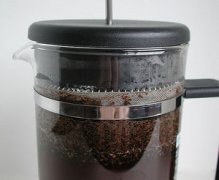
Coffee brewing isn’t one-size-fits-all. Whether you prefer the speed of an American drip coffee maker, the theatre of a siphon (vacuum pot), the hands-off ease of a French press, the control of a pour-over, or the boldness of a moka pot, the “best” method is the one that works for you. Don’t let trends dictate your choice—find the technique that fits your lifestyle and taste preferences. Your ideal brew method is the foundation of enjoyable DIY coffee.
Use Only Freshly Roasted Coffee Beans
Freshness matters—a lot. In specialty coffee circles, coffee beans are treated like fresh produce. Once roasted, coffee is at its flavorful peak for about a week, and remains excellent for up to several weeks if stored properly. Avoid beans without a clear roast date, and definitely skip anything roasted more than seven days ago unless it’s vacuum-sealed. If you wouldn’t eat a loaf of bread a month old, don’t brew with coffee beans that old. For the best results, always check for a visible roast date on the bag.
Start with Great Water
Nearly 98% of your cup is water, so its quality directly affects your coffee’s taste. Bad water—whether it’s hard, chlorine-heavy, or off-smelling—can ruin even the best beans. A basic filter pitcher can remove many impurities from tap water, leading to a cleaner, more flavorful brew. Avoid distilled water, which lacks the minerals needed for proper extraction. If your tap water is poor, consider using filtered or even spring water. Good water helps extract the delicate aromas and acids that define a great cup.
Dose the Right Amount of Coffee
Using too little coffee leads to weak, under-extracted cups, while overdoing it can make your brew overly bitter or murky. The standard recommendation is about 15 grams (two level tablespoons) of coffee for every 180 milliliters (6 fluid ounces) of water. This 1:12 brew ratio is a solid baseline, though you can adjust based on taste. Whether you’re using a pour-over, French press, or moka pot, keeping your dose consistent helps produce more predictable results.
Hit the Right Water Temperature
Water that’s too hot or too cold can throw off extraction. The optimal range for brewing coffee is between 85–95°C (185–203°F). Avoid pouring water straight from the boil—let it sit off heat for about 1–2 minutes to cool slightly. This temperature window ensures proper extraction of acids, sugars, and aromatics without over- or under-extracting the coffee. Consistent temperature helps you brew more balanced cups every time.
Keep Your Equipment Clean
Unlike tea, coffee doesn’t benefit from “seasoning.” Old oils, leftover coffee residue, and stale grinds can build up in your brewer, French press, or pour-over equipment and create off-flavors. Clean your coffee tools thoroughly after each use, and let them dry completely before storing. Don’t adopt the “raise the patina” mindset you might use for a teapot—that same approach will make your coffee taste rancid. Fresh equipment means fresher-tasting coffee.
Drink Your Coffee Within Ten Minutes
Your perfectly brewed cup won’t stay perfect for long. Coffee starts losing aroma and developing stale flavors within minutes of brewing—especially if left on a warming plate. For the best experience, drink your coffee right after brewing, ideally within ten minutes. Avoid relying on heated carafes or leaving coffee sitting on a hot plate for extended periods. Freshly brewed and freshly consumed is the only way to enjoy coffee at its best.
Frequently Asked Questions
What’s the best coffee brewing method for beginners?
The best method depends on your taste and lifestyle. Pour-over offers clean, nuanced flavors and is easy to control. French press gives a fuller body with less fuss. Moka pots produce strong, espresso-like coffee. Start with a method you find intuitive or enjoyable—the goal is to make coffee you’ll actually look forward to drinking every day.
How can I tell if my coffee beans are fresh?
Fresh coffee beans are typically roasted within the last 7–14 days and have a roast date clearly printed on the package. Avoid beans without a roast date or those that have been sitting on a shelf for more than a week. Fresh beans often have a pleasant, slightly oily surface and a rich aroma. If the bag smells flat or the beans look dull, they’re likely past their prime.
What water temperature should I use for brewing coffee?
The optimal water temperature range for coffee brewing is 85–95°C (185–203°F). Water that’s too hot can over-extract the coffee, making it bitter, while water that’s too cool under-extracts, resulting in a sour or weak cup. Let boiled water rest for 1–2 minutes before pouring it over your grounds to hit the ideal range.
How much coffee should I use per cup?
A standard guideline is 15 grams (about two level tablespoons) of coffee for every 180 milliliters (6 fluid ounces) of water. This 1:12 brew ratio provides balanced strength and extraction. You can adjust up or down depending on how strong you like your coffee, but keeping the ratio consistent helps achieve more predictable results.
Does the type of water really affect coffee flavor?
Yes. Water makes up around 98% of your cup, so its mineral content, purity, and pH significantly influence taste. Hard water or water with chlorine can mute coffee flavors or add unpleasant notes. Filtered water or clean spring water generally produces the best results. Avoid distilled water, which lacks the minerals needed to properly extract coffee compounds.
How long can I keep coffee after brewing?
For peak flavor, drink your coffee within ten minutes of brewing. Coffee exposed to air or kept on a warming plate starts losing aromatic compounds and develops stale or burnt notes. If you must keep it longer, transfer to a pre-warmed thermal carafe—but expect flavor to decline within 30 minutes to an hour.
Recommended FrontStreet Coffee Beans for Home Brewing
For pour-over and manual brewing, try FrontStreet Coffee’s Brazil Queen Manor with its smooth, nutty profile and caramel sweetness, or the Colombia Huila Sidra with juicy stone fruit and sweet tropical notes. For deeper body, the Lintong Mandheling offers a rich, earthy cup with notes of dark chocolate and spice. All are fresh-roasted single origins ideal for exploring flavor through manual methods. Freshly roasted within 5 days · Orders placed before 17:00 ship the same day · Next-day delivery across most of Guangdong Province.
FrontStreet Coffee is a long-established specialty coffee roaster in Guangzhou China, selling freshly roasted beans from its own farm in Yunnan as well as dozens of carefully selected single-origin beans from around the world for both pour-over and espresso. The products deliver consistently excellent quality and great value, with shipping within 24 hours. Guangzhou's FrontStreet Coffee shop is recommended by many coffee lovers, and the beans are now available online at the Tmall 。
Important Notice :
前街咖啡 FrontStreet Coffee has moved to new addredd:
FrontStreet Coffee Address: 315,Donghua East Road,GuangZhou
Tel:020 38364473