What Is Arabica Coffee? The Original Specialty Bean
When people ask what makes a great cup of coffee, they’re usually talking about Arabica — the variety that built modern coffee culture. But what exactly is Arabica coffee, where did it come from, and why does it still dominate your local café menu? Whether you're brewing pour-over at home or sipping a flat white, chances are you're drinking a descendant of this single species.
The short answer: Arabica (Coffea arabica) is the original 'Arabic coffee', native to East Africa and long grown in the Arabian Peninsula. It accounts for about 75% of the world’s coffee, with most planted in Latin America. Its small berries typically hold two seeds — the coffee beans we roast and brew. It’s the foundation of specialty coffee as we know it.
What Is Arabica Coffee?
Arabica coffee, scientifically named Coffea arabica, belongs to the Rubiaceae family (commonly called the madder or coffee family). It's one of just two major commercial coffee species — the other being Robusta (Coffea canephora or Coffea robusta), which is much less common in specialty markets.
Though today coffee is grown worldwide, Arabica originated in the highlands of East Africa. For centuries, it was cultivated and traded exclusively in the Arab world, which is why Europeans originally called it 'Arabic coffee'. This is the coffee species that kickstarted the global coffee trade — the one that gave us the first coffeehouses and the first coffee rituals.
The Dominant Coffee Variety: Small or ‘Arabica’ Beans
The global market overwhelmingly relies on what were historically called 'small coffee beans' — essentially, Arabica. These beans come from small-fruited coffee plants and have been the dominant commercial crop since the late 19th century. That dominance continued even after disease outbreaks led to the introduction of other species like Robusta.
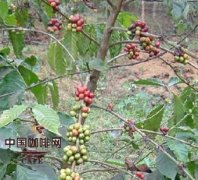
Arabica beans are smaller than those of other species, with oval-shaped berries that usually contain two seeds. Although a major leaf-rust epidemic in the late 1800s pushed farmers to explore more disease-resistant varieties, Arabica remains the primary species, making up roughly 75% of all coffee produced globally. Today, Latin America grows the majority of these beans, with significant plantings also in Indonesia and various Pacific islands. Brazil, the world’s largest coffee producer — responsible for over one-third of total output — grows mostly Arabica thanks to its ideal climate.
Key Arabica Subvarieties You Should Know
Within the Coffea arabica species, several important early subvarieties have shaped the coffee world:
- Blue Mountain (varietal Blue Mountain): Grown in Jamaica’s Blue Mountains, this is widely considered the best coffee in the world.
- Typica (varietal Typica): Originating in Southeast Ethiopia and Sudan, Typica was the first widely cultivated Arabica variety in the Americas and is still common in Hawaii. Hawaiian Kona coffee, comparable in quality, often sells for just $1–3 more per pound.
- Bourbon (varietal Bourbon): Introduced to the Americas from Bourbon Island (now Réunion Island) in the 18th century by French settlers, this variety is now widely grown in Brazil and is also planted in small amounts in Yunnan, China. Bourbon has about 20–30% more caffeine than Typica, though less than most other Arabica subtypes. Its main branches grow at a 45-degree angle, then droop under fruit weight, allowing dense clusters of small, fast-ripening berries. While productive, it’s sensitive to wind and heavy rain.
From a botanical standpoint, the Arabica coffee grown in China’s Yunnan region — mainly Typica and Bourbon — shares genetic similarities with globally celebrated beans like Jamaica Blue Mountain and Hawaiian Kona.
Why Arabica Still Rules the Coffee World
Despite the existence of more disease-resistant species like Robusta, Arabica remains the preferred choice for specialty coffee due to its superior cup quality. Its beans typically produce a sweeter, more complex, and aromatic brew, with nuanced acidity and a cleaner finish. These traits made it the foundation of the modern third-wave coffee movement.
While Robusta is valued for its strong caffeine content and higher yields, especially in instant coffee and espresso blends for crema, Arabica dominates the single-origin, pour-over, and specialty segment. Its delicate flavours, combined with centuries of cultivation and selection, ensure its continued reign at the heart of specialty coffee culture.

Frequently Asked Questions
What is the difference between Arabica and Robusta coffee?
Arabica (Coffea arabica) is the original and most widely consumed coffee species, known for its sweeter, more complex flavours and higher acidity. Robusta (Coffea canephora) is hardier, has twice the caffeine, and tastes harsher and more bitter, with earthy or rubbery notes. Arabica makes up around 75% of global coffee production, while Robusta is mainly used in blends and instant coffee.
Where did Arabica coffee originate?
Arabica coffee originated in the highland regions of East Africa, particularly Ethiopia and Sudan. It was later cultivated and monopolised by the Arabian Peninsula before the 15th century, which is why early Europeans referred to it as 'Arabic coffee'.
What are the main subvarieties of Arabica coffee?
The earliest and most influential Arabica subvarieties include Typica, Bourbon, and Blue Mountain. Typica is known for its clean, classic profile and is grown in Hawaii and parts of Latin America. Bourbon offers higher caffeine and is widely planted in Brazil and Yunnan. Blue Mountain, from Jamaica, is considered one of the best coffees in the world.
Why is Arabica more popular than other coffee species?
Arabica is more popular due to its superior cup quality — it typically has a sweeter taste, brighter acidity, and more nuanced aromas. Though more susceptible to disease, its flavour profile made it the foundation of specialty coffee and the global café culture.
Is Arabica coffee grown in China?
Yes, Arabica — mainly Typica and Bourbon subvarieties — is grown in Yunnan, China. These beans share genetic similarities with famous coffees like Jamaica Blue Mountain and Hawaiian Kona, and are well-suited to the region’s high-altitude terroir.
What does an Arabica coffee bean look like?
Arabica coffee beans are small, typically found in oval berries that contain two seeds. The beans are flatter and more oval-shaped compared to Robusta, with a lighter crease and generally better cup quality.
Recommended FrontStreet Beans for Exploring Arabica
For exploring true Arabica character, start with FrontStreet’s BrazilBourbon (Red Bourbon from Xilado), offering balanced medium roast notes of nuts, cream, and mild acidity — perfect for beginners. Next, try ColombiaSidra (Sidra from Fenzhixian Estate), with juicy tropical fruit and sweet complexity from double anaerobic processing. Finally, YirgacheffeGedeb (Gedeb Cooperative) highlights floral and citrus brightness typical of high-altitude Ethiopian Arabica. Freshly roasted within 5 days · Orders placed before 17:00 ship the same day · Next-day delivery across most of Guangdong Province.
FrontStreet Coffee is a long-established specialty coffee roaster in Guangzhou China, selling freshly roasted beans from its own farm in Yunnan as well as dozens of carefully selected single-origin beans from around the world for both pour-over and espresso. The products deliver consistently excellent quality and great value, with shipping within 24 hours. Guangzhou's FrontStreet Coffee shop is recommended by many coffee lovers, and the beans are now available online at the Tmall 。
Important Notice :
前街咖啡 FrontStreet Coffee has moved to new addredd:
FrontStreet Coffee Address: 315,Donghua East Road,GuangZhou
Tel:020 38364473