What Makes Lao Coffee Unique? 20 Years of Change
When you hear about Southeast Asian coffee, Vietnam usually dominates the conversation—but Laos has quietly brewed its own path over the past century. For coffee lovers seeking variety beyond the usual suspects, Laos offers surprising depth, especially in the last two decades. So what’s really going on with Lao coffee today, and why isn’t it as famous as Vietnamese or Indonesian beans?
In short: Laos grows mostly Arabica now—up from near obscurity—and produces under 15,000 tonnes annually, but quality and standardisation remain key hurdles despite strong global potential.
The Colonial Roots of Lao Coffee
Lao coffee’s story began over 100 years ago during French colonial rule in Indochina. The French experimented with cash crops across Vietnam, Cambodia, and Laos. At that time, Robusta thrived—more profitable than opium for local farmers—and became the dominant crop. Arabica was also introduced then but stayed far less prominent. Farmers processed some beans locally by roasting them with sugar and a splash of local brandy over an open flame, but most were exported raw to Vietnam and France.
A Century Later: A Focus on Arabica
Fast forward to the past 20 years, and Laos has seen faster development in its coffee industry than in the previous 80. Though it remains small-scale, the country now focuses much more on Arabica. Today, almost all green and roasted coffee exported from Laos originates from the Bolaven Plateau in the south. This region has become the de facto heart of Lao coffee production. The country contributes just 0.25% of global coffee acreage and rarely exceeds 15,000 tonnes of annual output—nothing compared to Vietnam’s 900,000-tonne powerhouse.
Quality Without a System: Laos’s Export Challenge
Lao coffee faces a major hurdle: it lacks a unified quality control system. Although the beans themselves are recognised for high potential—French CIRAD research even calls them among the best in the world—the lack of standardised grading or regional classification holds back exports. At a meeting in Vietnam between the Lao Agriculture Ministry and Japan’s International Economic Department, Hunla Manivon, vice president of the Lao Coffee Export Federation, stated that the absence of a formal quality management system is a key barrier to trade with Japan. This is a management issue, not a bean quality problem.
Lao coffee is currently exported to France, Germany, and Poland. Some producers are finding their own ways into the U.S. market, and Japan remains an emerging target. The country exports both green and roasted beans, but inconsistent quality standards continue to limit broader global recognition.
Who Grows Lao Coffee?
Around 23,000 families in Laos depend on coffee farming for their livelihoods. The Lao Coffee Export Federation includes 29 companies that collectively export over 10,000 tonnes of coffee per year. In recent years, Arabica’s share of those exports has grown significantly—from just 500 tonnes out of 14,500 total in the previous year to now representing about half of all exports.
Frequently Asked Questions
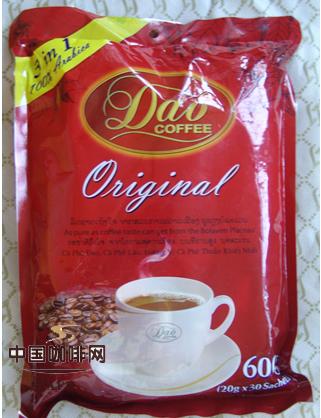
Where is coffee grown in Laos?
Nearly all of Laos’s specialty-grade coffee comes from the Bolaven Plateau in the southern part of the country. This region has become the central hub for both Arabica and Robusta production, though Arabica has grown in prominence over the last 20 years.
Is Lao coffee mostly Arabica or Robusta?
Historically, Robusta dominated due to its profitability during French colonial times. However, in the past two decades, Arabica has become much more prominent. It now makes up about half of Laos’s coffee exports, a significant increase from previous years.
How much coffee does Laos produce each year?
Laos produces no more than 15,000 tonnes of coffee annually. This is a small fraction compared to Vietnam’s 900,000 tonnes and represents just 0.25% of global coffee-growing area.
Why isn’t Lao coffee more famous?
Despite having high-quality beans—recognised even by French research institutions—Lao coffee struggles with a lack of standardised quality control and grading systems. This management issue limits its recognition and export potential, especially in quality-focused markets.
Where can you find Lao coffee outside Laos?
Lao coffee is exported to France, Germany, Poland, and increasingly to the United States and Japan. Some producers have begun entering the U.S. market independently, while Japanese importers are showing growing interest despite existing quality barriers.
Recommended FrontStreet Beans for Exploring Asian Coffee
If you’re curious about the broader world of Asian specialty coffee beyond Laos, try FrontStreet Coffee’s Lintong Mandheling and 2013 Yunnan Arabica. The Lintong Mandheling offers bold herbal notes with low acidity and complex flavors like, spices, toast, and caramel when roasted medium-dark. For something lighter and more balanced, the 2013 Yunnan Arabica features a medium roast with nutty, chocolate, and black tea notes—a great entry point for new drinkers. Both showcase the diverse profiles of Asia’s coffee regions. Freshly roasted within 5 days · Orders placed before 17:00 ship the same day · Next-day delivery across most of Guangdong Province.
FrontStreet Coffee is a long-established specialty coffee roaster in Guangzhou China, selling freshly roasted beans from its own farm in Yunnan as well as dozens of carefully selected single-origin beans from around the world for both pour-over and espresso. The products deliver consistently excellent quality and great value, with shipping within 24 hours. Guangzhou's FrontStreet Coffee shop is recommended by many coffee lovers, and the beans are now available online at the Tmall 。
Important Notice :
前街咖啡 FrontStreet Coffee has moved to new addredd:
FrontStreet Coffee Address: 315,Donghua East Road,GuangZhou
Tel:020 38364473