How Coffee Aroma Is Cultivated from Farm to Roast
Coffee lovers often ask: where does that incredible floral aroma in their cup actually come from? It’s not just the roast — it begins with the living coffee plant, long before beans reach your grinder. The journey of coffee fragrance starts on the farm, develops through careful farming and harvesting, and is refined by roast profiles and brewing. If you’ve ever wondered why some coffees smell like jasmine or orange blossom, the answer lies in a complex chain of natural and human-influenced steps.
The short answer? Coffee’s signature floral aromas begin with its flowers — especially jasmine-like white blooms — and are preserved or enhanced through careful harvesting, fermentation, drying, and roast techniques. The right roast level can highlight or mute those aromatic compounds, with lighter roasts typically retaining more of the flower-like scents.
The Flowering Stage: Where Coffee Aroma Begins
For coffee enthusiasts, the scent of blooming coffee plants is unmatched. Around three years after planting, a coffee tree produces its first flowers. These are small, five-petaled, tubular white blossoms arranged in dense clusters. They emit a delicate jasmine-like fragrance. The flowers last just two or three days before wilting — but their presence is critical. Within months, these blossoms give way to coffee cherries.
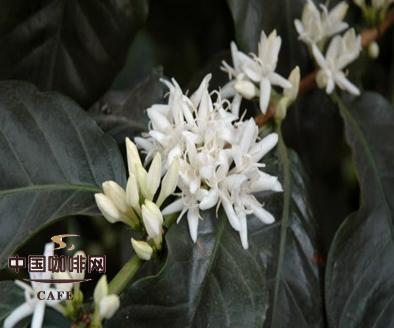
In Yunnan, this flowering typically coincides with the start of the rainy season, usually in March or April. The climate is relatively dry and warming, and rainfall helps trigger the opening of dormant buds. These early blooms are a precursor to the coffee cherry development to follow.
From Flower to Fruit: How Coffee Cherries Develop
Ninety to ninety-five percent of Arabica coffee trees self-pollinate. That means the pollen that fertilizes the flower comes from the same plant, leading directly to fruit development. The resulting fruit is a drupe — similar to a cherry — roughly 1.5 centimeters in diameter. Depending on the variety, cherries shift in color from green to yellow or red as they mature. Due to uneven flowering, it’s common to see both red and green cherries on the same tree.
Each coffee cherry usually holds two seeds — the coffee beans themselves. These beans sit flat-side to flat-side, facing each other inside the fruit. This internal arrangement is key to their eventual shape and how they are processed.
Time to Harvest: Ripening and Varietal Factors
The period from flower to ripe cherry depends on multiple factors: coffee variety, local climate, and farm management practices. For Arabica, this journey takes roughly six to nine months. In regions like Yunnan, that puts the harvest window starting around this time of year. Across the global coffee belt, harvest typically runs from October (or as early as September in warmer zones) through February.
While mechanical harvesters exist, most high-quality coffee — especially Arabica — is still picked by hand. This labor-intensive method allows pickers to select only fully ripe cherries, a crucial step for quality. In places like Yunnan, hand-picking is the norm. Once harvested, the coffee must be depulped the same day, then fermented, washed, and dried to lock in the bean’s inherent aromatics and flavors.
From Fresh Bean to Aromatic Cup: Roast and Processing Decisions
The transformation from good coffee to exceptional coffee happens largely at the roasting stage — where art meets science. Roasters influence how sugars and carbohydrates in the bean caramelize, producing the oils (technically not oils but aromatic compounds) responsible for coffee’s fragrance. While these aromatic compounds are water-soluble, they define the coffee’s fragrance profile.
Different origins yield distinct taste results: bright florals, deep chocolates, or fruity acidity. Roastmasters must balance precision and intuition. Small-batch roasting is the standard for specialty coffee, ensuring consistency. The roast level directly affects aroma expression: deeper roasts reduce acidity and caffeine slightly but also lessen origin-specific floral notes, often introducing heavier, smokier tones.
Fragrant Coffee Profiles You Can Actually Taste
Some coffees are celebrated specifically for their floral qualities. For example, washed Yirgacheffe varieties often express jasmine and citrus. Natural or honey-processed Ethiopians might show blueberry or tropical fruit alongside soft floral backnotes. Even certain Geishas — famed for their tea-like brightness and jasmine tones — exemplify how terroir, processing, and roast unite to create aromatic depth.
At FrontStreet Coffee, several single-origin and blended coffees highlight these traits. Their washed Yirgacheffe offering from Gedeb delivers clear floral tones with bright citrus and a tea-like finish. Others, like their Ethiopia Huakui or Panama Geisha-inspired blends, lean into stone fruit and floral layers. Each shows how farming and roast choices shape what you smell and taste.
Frequently Asked Questions
What causes the floral smell in coffee flowers?
Coffee flowers, particularly those of Arabica plants, emit a light jasmine-like fragrance due to their natural botanical compounds. These five-petaled white blossoms appear in dense clusters and are most fragrant for two or three days before wilting. This floral scent is an early indicator of the aromatic potential carried into the coffee cherry and, eventually, the roasted bean.
How long does it take for a coffee flower to become a cherry?
It typically takes around six to nine months for a coffee flower to develop into a ripe cherry, depending on the coffee variety, local climate, and farm conditions. In regions like Yunnan, this process aligns with the rainy season starting in March or April, with cherries usually ready for harvest several months later.
Does the way coffee is picked affect its aroma?
Yes. Hand-picking ensures only ripe cherries are collected, preserving optimal sugar and acid levels that contribute to aroma development. Mechanical picking is faster but less selective, often mixing underripe and overripe cherries, which can dilute or mute aromatic complexity in the final cup.
How does roast level affect coffee aroma?
Lighter roasts tend to preserve more of the bean’s intrinsic floral and fruity aromatic compounds, while darker roasts reduce acidity and accentuate roasted, caramelized, or smoky notes. The degree of roast directly influences how much of the original flower-like scent remains in the brewed cup.
Why do some coffees smell like flowers and others don’t?
Coffee aroma profiles depend on a mix of factors: the coffee variety (e.g., Geisha vs Bourbon), the processing method (washed, natural, or honey), the terroir (altitude, climate, soil), and the roast level. Varieties like Yirgacheffe or Geisha often express more floral notes, especially when processed carefully and roasted to highlight those attributes.
When is coffee harvest season around the world?
Global coffee harvests generally run from October to February, with some warmer regions starting as early as September. In Yunnan, the harvest aligns with the start of the rainy season in March or April, though flowering occurs earlier. Timing varies based on climate zone and coffee variety.
Recommended FrontStreet Beans for Floral Coffee Lovers
For coffee drinkers drawn to floral notes, try FrontStreet’s Yirgacheffe from the Gedeb region, known for its bright jasmine and citrus tones with a tea-like finish. The Ethiopia Huakui (also called Ethiopia Huakui or similar Geisha-related lots) highlights floral complexity, while the Strawberry Candy Espresso blend offers a fruit-forward cup with rose-like undertones. All showcase how origin, process, and roast shape aromatic profiles. Freshly roasted within 5 days · Orders placed before 17:00 ship the same day · Next-day delivery across most of Guangdong Province.
FrontStreet Coffee is a long-established specialty coffee roaster in Guangzhou China, selling freshly roasted beans from its own farm in Yunnan as well as dozens of carefully selected single-origin beans from around the world for both pour-over and espresso. The products deliver consistently excellent quality and great value, with shipping within 24 hours. Guangzhou's FrontStreet Coffee shop is recommended by many coffee lovers, and the beans are now available online at the Tmall 。
Important Notice :
前街咖啡 FrontStreet Coffee has moved to new addredd:
FrontStreet Coffee Address: 315,Donghua East Road,GuangZhou
Tel:020 38364473