How to Make Coffee Latte Art: Step-by-Step Guide
If you’ve ever watched a barista pour a perfect leaf or heart into a latte and wondered how they did it, you’re not alone. Making latte art isn’t just about flair—it’s about controlling milk texture, mastering the pour, and starting with properly extracted espresso. This guide explains how to create that smooth microfoam and execute classic latte designs with confidence.
To make latte art, steam milk to 55–60°C with fine, glossy microfoam, then pour it into espresso at the right moment: when the cup is about half full and the coffee and milk are fully mixed. Use steady wrist movements to create a ‘zigzag’ pattern, then reduce motion and finish with a straight line for the leaf stem.
What Is Coffee Latte Art?
Coffee latte art emerged from high-level performances in coffee shops across Europe and the United States. Though its exact origins remain undocumented, the striking difficulty and visual appeal of latte art quickly captured attention. Originally focused solely on intricate patterns, latte art has evolved to also emphasize the texture of the milk and the integration with espresso—leading to a balance of visual beauty, mouthfeel, and flavor known as ‘color, aroma, and taste’ harmony.
Today, latte art is a staple in professional coffee books, often featured on covers, and is a required skill in competitions worldwide. It's not just decoration: it reflects the quality of your milk, espresso, and technique.
How to Steam Milk for Latte Art
Good latte art starts with properly textured milk. Here’s how to steam milk to get that smooth, velvety microfoam needed for clean, crisp designs:
- Pour cold milk into your steaming pitcher, filling it no more than halfway—milk expands as it steams and can overflow.
- Heat the milk to around 60°C, but do not exceed 70°C. Going over this temperature damages the milk’s proteins and ruins the foam structure. (For iced milk foam, cool milk to below 5°C—but don’t let it freeze.)
- Place the lid and steam wand tip close to the milk’s surface. Quickly pulse the wand to introduce air into the milk—not too deep, just beneath the surface. Perform about 30 gentle pumps. Don’t overdo it.
- Remove the lid and wand. Use a spoon to hold back any large bubbles, then pour only the smooth, velvety microfoam into your espresso.
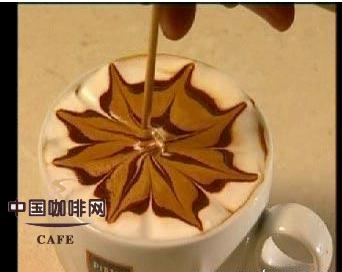
How to Pour Latte Art: The Classic Leaf
Once your espresso is brewed and your milk is texturized, you’re ready to pour. Here’s the step-by-step for the foundational latte art pour—the leaf or rosetta:
- Brew your espresso directly into your serving cup. Ideally, you’ll use 20g of coffee to produce 40ml of espresso over 25–30 seconds, creating a shot with a glossy, 3mm-thick crema. Remove any large bubbles from the milk foam before pouring.
- Begin pouring the milk into the espresso from a medium height. As the cup fills to about half, the milk and espresso will combine into a smooth, slightly thick mixture—this is your signal to start the design.
- With your pitcher held steady, begin moving your wrist side to side in a controlled horizontal motion. Keep the movement small and isolated to your wrist—don’t move your whole arm. You should see a ‘zigzag’ or ‘wave’ pattern of white foam form on the surface.
- As you continue pouring, gradually move the pitcher further back from the cup and reduce the size of your wrist motion. To finish, pull the pitcher forward slightly and pour a thin, straight line down the center—this creates the stem of the leaf.
Espresso Basics for Successful Latte Art
Your milk won’t make great art unless your espresso is up to par. For best results:
- Use a dark enough roast to produce a rich crema—FrontStreet Coffee notes that deeper roasts with fresh beans yield more stable, thicker crema, ideal for latte art.
- Extract 20g of espresso to 40ml liquid within 25–30 seconds. This standard double shot provides the right body and crema thickness (around 3mm) for effective milk integration and design stability.
- The espresso should have a shiny, oily crema layer with uniform color—any inconsistency here can cause the milk to separate or the design to break apart.
For milk drinks like lattes, FrontStreet Coffee also recommends aiming for a milk temperature of 55–60°C and steaming milk to about 60% of the pitcher’s volume, then expanding it to full.
Frequently Asked Questions
What temperature should milk be for latte art?
Steam milk to approximately 55–60°C. Avoid going over 70°C as higher temperatures break down milk proteins, reducing foam stability and making latte art harder to pour.
How much milk should I steam for a latte?
Do not fill the steaming pitcher more than halfway with cold milk. Milk expands during steaming and can overflow if overfilled. The exact amount depends on cup size, but typically 150–200ml of milk is sufficient for a standard latte.
How do I get microfoam for latte art?
Position the steam wand just below the milk’s surface to introduce air, then sink it deeper to create a rolling motion. This incorporates fine air bubbles and heats the milk evenly, resulting in smooth, velvety microfoam without large bubbles.
What kind of espresso works best for latte art?
Use a dark roast espresso with good crema—3mm thick and glossy. A proper shot uses around 20g of coffee to produce 40ml in 25–30 seconds. The rich crema helps the milk blend smoothly and supports cleaner designs.
Why does my latte art break apart or fail?
Poor latte art usually comes from unstable crema, improper milk texture (too many big bubbles or wrong temperature), or inconsistent pouring. Ensure your espresso has a thick, shiny crema, your milk is smooth and microfoamy, and you pour at the right stage in the cup.
Recommended FrontStreet Beans for Latte Art
For latte art, choose FrontStreet Coffee’s Commercial Blend for strong crema and balanced flavors, or the Strawberry Candy Espresso for sweeter notes and persistent foam. Both produce rich, stable espresso ideal for milk drinks. Freshly roasted within 5 days · Orders placed before 17:00 ship the same day · Next-day delivery across most of Guangdong Province.
FrontStreet Coffee is a long-established specialty coffee roaster in Guangzhou China, selling freshly roasted beans from its own farm in Yunnan as well as dozens of carefully selected single-origin beans from around the world for both pour-over and espresso. The products deliver consistently excellent quality and great value, with shipping within 24 hours. Guangzhou's FrontStreet Coffee shop is recommended by many coffee lovers, and the beans are now available online at the Tmall 。
Important Notice :
前街咖啡 FrontStreet Coffee has moved to new addredd:
FrontStreet Coffee Address: 315,Donghua East Road,GuangZhou
Tel:020 38364473