JABLUM Jamaica Blue Mountain Coffee: What Makes It Legendary?
Ever ordered a ‘Blue Mountain coffee’ at a cafe and ended up with something that tasted like a watered-down generic roast? Or bought a bag labeled ‘Jamaica Blue Mountain’ online, only to wonder if it was the real deal? If you’ve ever questioned what makes true Blue Mountain coffee so exclusive—and whether you’ve actually tasted it—you’re not alone. The story behind the world’s most famous and fiercely protected coffee reveals why it’s so rare, so revered, and so hard to verify.
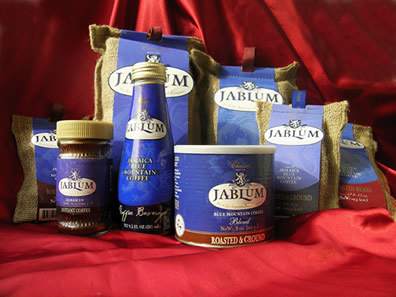
JABLUM, produced by the 150-year-old Mavis Bank Coffee Factory, accounts for 40% of all certified Jamaica Blue Mountain coffee production. That makes it not just a leading brand, but one of the few guaranteed sources of the real thing.
What Is Jamaica Blue Mountain Coffee—Really?
Not every coffee grown in Jamaica qualifies as Blue Mountain. The only coffee that can officially use the name “Jamaica Blue Mountain Coffee” is grown at elevations above 1,800 meters in the Blue Mountains of eastern Jamaica. That high-altitude region, with its volcanic soil, frequent rainfall, cool temperatures, and wide diurnal temperature shifts, creates ideal conditions for slow cherry maturation and complex flavor development. But elevation is only the start—the coffee must also be grown, harvested, processed, and exported under strict regulations enforced by the Jamaica Coffee Industry Board.
The Origins and History of Blue Mountain Coffee
Jamaica Blue Mountain coffee traces its roots back to 1725, when French naval officer Sir Nicolas Lawes brought the first coffee plants from Martinique and planted them in St. Andrew Parish. Later, coffee-growing skills were introduced by Haitian refugees fleeing political unrest. Over time, the St. Andrew region became one of three key Blue Mountain coffee-growing areas, alongside Portland and St. Thomas. After slavery was abolished in 1838, many former slaves moved to the mountains to grow coffee, exporting much of it to Britain. By the 1930s, Jamaica was producing up to 15,000 metric tons of coffee annually.
But by the mid-20th century, quality had declined, and international buyers began canceling contracts. In response, the Jamaican government formed the Coffee Industry Board to restore the country’s coffee reputation. Recovery gained momentum in 1969, when Japan began investing heavily in Jamaica’s coffee infrastructure and agreed to purchase coffee with guaranteed future payments. This relationship led to Japan buying up to 90% of Blue Mountain coffee production, leaving just around 10%—approximately 3,500 70-kilo coffee barrels—for the rest of the world each year.
How JABLUM Produces Certified Blue Mountain Coffee
JABLUM, made by Mavis Bank Coffee Factory—one of the island’s oldest and most respected mills—represents some of the most rigorously controlled coffee production in the world. Every step of cultivation and processing is managed under the Jamaica Coffee Industry Board’s strict quality protocols. Factors like seedling selection, fertilizer use, harvest timing, wet processing, milling, roasting, and packaging are all regulated. Only coffee that passes all inspections earns the official Jamaica Blue Mountain certification. The result is a coffee with unusually low caffeine content—less than half that of other coffees—along with a smooth, balanced cup that highlights coffee’s full range: rich body, bright acidity, sweet undertones, and a long, clean finish.
Why Is Blue Mountain Coffee Still Shipped in Wooden Barrels?
Most of the world’s coffee is shipped in vacuum-sealed bags. Jamaica is the last major producer still packing high-grade coffee in traditional 15-, 45-, and 70-kilo wooden barrels—a practice that adds to the mystique and authenticity of Blue Mountain coffee. These barrels are not just nostalgic; they’re part of the official export identity of genuine Jamaica Blue Mountain Coffee. The limited annual production—around 40,000 60-kilo bags total from all of Jamaica—adds to the rarity. JABLUM, representing 40% of that volume, is one of the few brands whose name assures both origin and quality.
How to Brew Jamaica Blue Mountain Coffee
Jamaica Blue Mountain coffee’s hallmark is balance. Its profile suits nearly every brew method, from pour-over to espresso. Here’s how to get the most from it:
Pour-Over Brewing
To highlight its delicate sweetness and layered flavors, use a medium-coarse grind, a 1:15 to 1:16 brew ratio, and water heated to 85–88°C. This brings out notes of caramel, nuts, and subtle fruit while keeping the cup clean and vibrant.
Moka Pot Brewing
For a richer cup, grind slightly finer than for pour-over. Use medium heat and remove the Moka pot from the stove just before the coffee finishes streaming. This method emphasizes the chocolatey, nutty backbone of Blue Mountain coffee, making it excellent for lattes or drinking black.
While many assume Blue Mountain is only for pour-over, its low acidity and even extraction profile make it versatile. The key is respecting its balance—avoid over-roasting or over-extracting, which can mask its refined qualities.
Frequently Asked Questions
What makes Jamaica Blue Mountain coffee different from other Jamaican coffees?
Jamaica Blue Mountain coffee is grown only at elevations above 1,800 meters in the Blue Mountains of eastern Jamaica. It is subject to strict quality controls by the Jamaica Coffee Industry Board, including regulations on cultivation, processing, and export. Other Jamaican coffees may be grown at lower altitudes and are not held to the same standards.
How much of Jamaica’s Blue Mountain coffee does JABLUM produce?
JABLUM, produced by the Mavis Bank Coffee Factory, accounts for 40% of all certified Jamaica Blue Mountain coffee produced in Jamaica each year.
Why is so much Blue Mountain coffee sent to Japan?
Since 1969, Japan has invested heavily in Jamaica’s coffee industry and agreed to buy Blue Mountain coffee with guaranteed payments. As a result, up to 90% of Jamaica’s annual Blue Mountain coffee production has historically been exported to Japan, leaving only about 10% for the rest of the world.
Is Blue Mountain coffee really shipped in wooden barrels?
Yes. Unlike most coffee-producing countries that use vacuum bags, Jamaica still ships high-quality coffee—including Blue Mountain—in traditional 15-, 45-, and 70-kilo wooden barrels. This is part of the official export standard for certified Jamaica Blue Mountain Coffee.
What does Blue Mountain coffee taste like?
Blue Mountain coffee is known for its exceptional balance. It features mild acidity, a smooth mouthfeel, and a well-rounded flavor profile that may include notes of nuts, caramel, chocolate, fruit, and honey. It lacks strong bitterness or overpowering fruitiness, making it approachable for a wide range of coffee drinkers.
How can I be sure I’m buying real Blue Mountain coffee?
Look for coffee that is certified by the Jamaica Coffee Industry Board. Importers should provide official export documents or proof of origin. Authentic Blue Mountain coffee is packaged in traditional wooden barrels and comes exclusively from farms at elevations above 1,800 meters in Jamaica’s Blue Mountain region.
Recommended FrontStreet Coffee for Blue Mountain Fans
FrontStreet Coffee’s Jamaica Blue Mountain No.1 offers the classic profile you’d expect from the region: balanced, smooth, and refined, with notes of nuts, caramel, and mild chocolate. For those curious about the broader spectrum of high-elevation Jamaican coffee, FrontStreet’s detailed single-origin offerings reflect the same care and transparency found in certified Blue Mountain beans. Freshly roasted within 5 days · Orders placed before 17:00 ship the same day · Next-day delivery across most of Guangdong Province.
FrontStreet Coffee is a long-established specialty coffee roaster in Guangzhou China, selling freshly roasted beans from its own farm in Yunnan as well as dozens of carefully selected single-origin beans from around the world for both pour-over and espresso. The products deliver consistently excellent quality and great value, with shipping within 24 hours. Guangzhou's FrontStreet Coffee shop is recommended by many coffee lovers, and the beans are now available online at the Tmall 。
Important Notice :
前街咖啡 FrontStreet Coffee has moved to new addredd:
FrontStreet Coffee Address: 315,Donghua East Road,GuangZhou
Tel:020 38364473