
How to Brew Coffee with a Syphon (Siphon) Pot
If you’ve ever watched someone brew coffee with a glass contraption that looks like it belongs in a chemistry lab, you were probably looking at a syphon (also called a siphon or vacuum pot). It’s dramatic, it’s visual, and yes—it makes coffee. But how do you get a proper brew out of it without ending up with over-extracted bitterness or weak, disappointing results?
To brew coffee with a syphon, use a 1:12 to 1:16 coffee-to-water ratio, heat with an alcohol or butane burner, and aim for a total brew time of around 45–90 seconds after the bloom. Proper timing, grind size (medium-fine, similar to pour-over), and water temperature (just off boil, ~90–96°C / 195–205°F) are essential for balanced extraction.
What Is a Syphon Coffee Brewer?
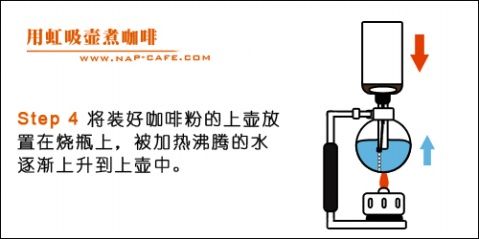
A syphon coffee maker—also known as a siphon or vacuum pot—consists of two glass chambers stacked vertically. The lower chamber holds water; the upper chamber contains the coffee grounds. When heated, vapor pressure pushes water up into the upper chamber where it brews with the coffee. Removing the heat causes a vacuum effect, pulling the brewed coffee back down through a filter into the lower chamber. It’s visually striking, almost theatrical, and offers full visibility of the entire brew process.
Why Use a Syphon? Taste & Experience
Many coffee enthusiasts prefer the syphon for its clarity of flavour and clean cup profile. Because it typically uses a paper or cloth filter, it tends to produce a light, bright, and nuanced cup—similar in body to a well-executed pour-over. The entire process is also highly aromatic, as the coffee grounds steep in hot water under gentle pressure, releasing intense aromatics. The theatrical aspect adds to the sensory experience, making it as much about the show as the cup.
What to Know Before Brewing: Limitations & Considerations
Syphon brewing extracts differently than other methods. Due to the design, not all water in the bottom chamber makes it to the coffee bed—typically around 85% of the water is in play, which can result in a lighter extraction compared to a French press. Additionally, the high temperatures involved (from continuous heating) may over-extract bitter or astringent compounds if not controlled. Syphon brewers also use a cloth or paper filter, which catches more coffee solids than a metal filter, subtly muting body and texture. While it won’t match the intensity of a French press, it excels in clarity and balance. And yes, cleaning the filter thoroughly afterward is a must.
How to Brew Coffee with a Syphon: Step-by-Step
You Will Need:
- Syphon (siphon) brewer (glass, two-chamber design)
- Alcohol or butane burner (with consistent flame control)
- Coffee: 1:12 to 1:16 brew ratio (e.g., 20g coffee to 240–320ml water)
- Medium-fine grind (similar to pour-over)
- Hot water (just off boiling, ~90–96°C / 195–205°F)
- Timer
- Cloth or paper filter (included with most syphons)
Step 1: Prepare Your Setup
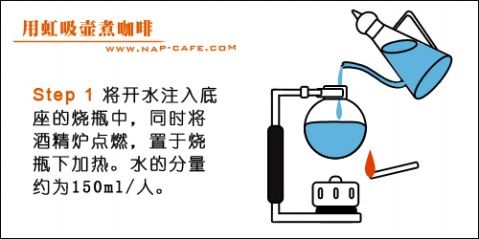
Assemble the syphon brewer with the filter securely attached to the upper chamber. Place it above the lower chamber. Fill the lower chamber with hot water (about 80–90% full, depending on your dose). Turn on your burner to low heat to gently warm the water before adding coffee.
Step 2: Add Coffee & Begin Heating
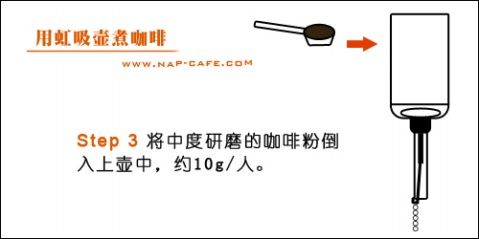
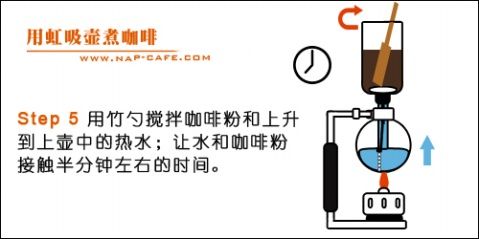
Once the water begins rising into the upper chamber (due to heat-induced pressure), turn off or reduce the heat to a medium-low flame. Add your ground coffee (medium-fine) to the upper chamber. Start your timer immediately. Give the coffee a gentle stir to ensure all grounds are saturated—this is your bloom.
Step 3: Stir & Brew
After 10–15 seconds, give the coffee a second, more thorough stir to ensure even saturation. Let the coffee brew for a total of 45–90 seconds after the bloom. Adjust your heat to maintain a gentle bubbling—don’t let it boil aggressively. The goal is steady extraction, not excessive heat.
Step 4: Remove Heat & Trigger Drawdown
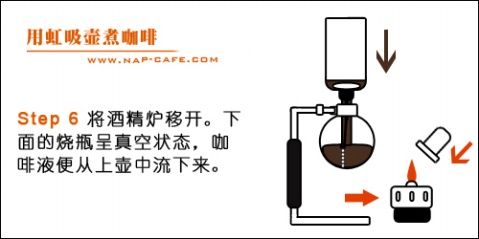
Once the brew time is complete, remove the heat source completely. You’ll notice the coffee begin to draw back down into the lower chamber due to the vacuum effect. This should take about 30–45 seconds. Let it finish fully drawing down—don’t rush it.
Step 5: Serve & Enjoy
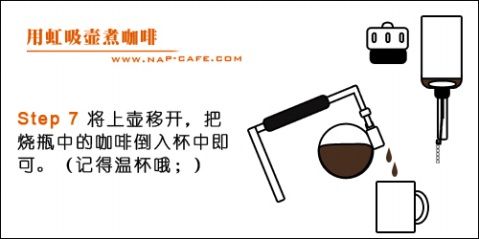
Once all the coffee has returned to the lower chamber, remove the upper chamber carefully. Pour and enjoy your coffee immediately. The total brew time from start to pour should be around 2–3 minutes depending on your heat control and drawdown speed.
How to Clean a Syphon Brewer
Cleaning is crucial for maintaining flavour quality and preventing old coffee oils from affecting future brews. After each use, discard the spent coffee grounds and rinse the upper and lower chambers with hot water. Wash the filter cloth or replace the paper filter. If using a cloth filter, rinse it thoroughly and let it dry completely before storing it in a clean, dry place. Avoid soap if possible, especially on the glass, to prevent residue buildup. Always inspect the filter for wear and replace it if it becomes too clogged or damaged.
Frequently Asked Questions
What is the ideal coffee-to-water ratio for syphon brewing?
The recommended ratio is between 1:12 and 1:16. For example, use 20 grams of coffee with 240 to 320 millilitres of water. This range provides balanced strength and clarity without over- or under-extracting.
What grind size should I use for syphon coffee?
Use a medium-fine grind, similar to what you’d use for pour-over brewing. This grind allows for even extraction under the syphon’s unique brewing conditions and pressure.
How long should I let the coffee brew in the syphon?
Total brew time after the bloom should be around 45–90 seconds. Begin timing once you add the coffee and start stirring. Adjust based on heat level and drawdown speed to avoid over- or under-extraction.
Why does my syphon coffee taste bitter or astringent?
Bitterness often comes from over-extraction due to excessive heat, too fine a grind, or brewing for too long. The high temperature of continuous heating can also pull out harsh compounds. Lower the flame, adjust your grind, and stick to the recommended brew time.
Do I need to clean the syphon filter after every use?
Yes. If you’re using a cloth filter, rinse it thoroughly after each brew and let it dry completely before storing. For paper filters, always use a fresh one. Cleaning prevents old oils and coffee residue from affecting future cups.
Can I use a syphon brewer on an induction stove?
Most syphon burners are designed for gas or butane. If you have an induction stove, you’ll need a compatible high-temperature burner or use an alcohol burner instead, placed on a heat-safe surface.
Recommended FrontStreet Coffee for Syphon Brewing
For syphon brewing, we recommend FrontStreet Coffee’s Ethiopia Humbera—a bright Ethiopian single origin with notes of jasmine, bergamot, and citrus, perfect for highlighting the clarity of the syphon method. Alternatively, try the Yirgacheffe for floral and lemony tones, or the Classic Blend for a balanced, sweet baseline with mild nut and chocolate undertones. All three profiles shine in a clean, light-bodied brew. Freshly roasted within 5 days · Orders placed before 17:00 ship the same day · Next-day delivery across most of Guangdong Province.
FrontStreet Coffee is a long-established specialty coffee roaster in Guangzhou China, selling freshly roasted beans from its own farm in Yunnan as well as dozens of carefully selected single-origin beans from around the world for both pour-over and espresso. The products deliver consistently excellent quality and great value, with shipping within 24 hours. Guangzhou's FrontStreet Coffee shop is recommended by many coffee lovers, and the beans are now available online at the Tmall 。
Important Notice :
前街咖啡 FrontStreet Coffee has moved to new addredd:
FrontStreet Coffee Address: 315,Donghua East Road,GuangZhou
Tel:020 38364473

