Best Specialty Coffee Shops Inspired by Literary Cafés
Ever wondered where the world’s most literary coffee drinkers actually hung out—and whether any of those spots still serve a decent cup? From Balzac leaving notes for his wife (“I’m either at the café or on my way there”) to modern-day seekers of third-wave coffee in hidden city corners, this story traces the evolution of coffee culture through its most iconic venues.
Whether you’re chasing the ambiance of 19th-century Parisian cafés or looking for a quiet corner with great brews today, there are countless cafés—historic and humble—that have earned their place in coffee lore. Read on for key stops from Vienna to Ho Chi Minh City, and find out where you can still sip in history.
The Mythical Café Life of Literary Giants
Honoré de Balzac, the 19th-century French novelist, famously left a note for his wife before every outing: “I am not at the café. I am on my way to the café.” That line became both a badge of artistic identity and a running joke among café-goers. More than a quip, it reflected how deeply cafés were woven into the daily lives of artists, writers, and thinkers.
How Coffee Shops Shaped Generations of Creatives
Over the decades, different eras spawned their own versions of the coffee ritual. In the 1980s, it was guys in bell-bottoms dragging friends to karaoke bars. The 1990s brought scarf-wearing romantics to the cinema. By the 2000s, many had traded dance floors for the first Starbucks in town, sipping mochas under afternoon sun while reading acting theory. The shift marked a move toward more introspective, caffeine-fueled creativity.
The Rise of the Global Coffee Chain—and What Came Before
Before Starbucks landed in Shanghai and Beijing, most people’s early coffee experiences came from local chains like UBC or Old Tree. But Starbucks changed the game. With its green umbrellas spreading city to city, it introduced terms like espresso, cappuccino, low-acid, and decaf. For many, it was their first real taste of what professional coffee could be. And yes, someone actually asked a barista, “What’s decaf?” and then replied, “I’ll take high-caffeine instead.”
From Global Brands to Hidden Local Gems
Today, while Starbucks remains a cultural fixture—crowded with laptop warriors and luxury moms—many cities have cultivated their own independent coffee scenes. Quirky, unmarked cafés hide around corners in places like Shanghai’s French Concession or Beijing’s hutongs. In Hangzhou, near the China Academy of Art, indie cafés attract youth drawn to the arts and the atmosphere. One favorite spot, run by a seasoned owner, serves excellent coffee at fair prices amid an expensive district.
Beyond China: Historic Cafés Around the World
In Frankfurt, the Since 1886 café survived World War II as the city’s only functioning entertainment venue. Patrons sipped coffee while watching plays and catching news of loved ones. Its wooden staircases and vintage decor still transport visitors back in time. Meanwhile, in Vietnam—where coffee is as common as tea—street-side cafés serve strong filtered coffee for as little as 5 RMB. Locals sit on rickety chairs soaking in afternoon light, a scene reminiscent of old Beijing’s 20-cent tea houses.
Frequently Asked Questions
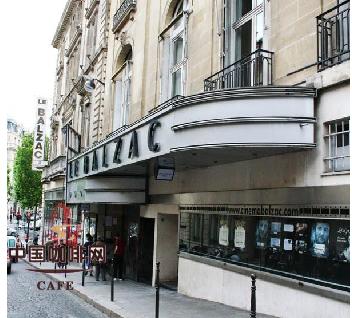
Who was Balzac and why is he associated with coffee shops?
Balzac was a famous 19th-century French writer known for his prolific output and love of caffeine. He reportedly left notes for his wife saying he was either “at the café or on his way,” highlighting how central cafés were to his creative life—and to the lives of many artists of his era.
When did Starbucks start influencing coffee culture in China?
Starbucks began transforming coffee culture in China around the year 2000, when it entered major cities like Shanghai and Beijing. Before that, local coffee shops like UBC and Old Tree offered a much less refined experience. Starbucks introduced terms like espresso, cappuccino, and decaf, and helped educate consumers about professional coffee standards.
Are there any historic cafés still operating today?
Yes, one example is the Since 1886 café in Frankfurt, which remained open during WWII and served as a community hub for news and entertainment. Its original features, including wooden stairs and stage props, still exist today, offering visitors a glimpse into the past.
What’s special about coffee culture in Vietnam?
Vietnam, a major coffee-producing country, has a deeply rooted coffee culture where locals drink filtered coffee daily. Street cafés are extremely common and affordable (around 5 RMB per cup), often set up with basic furniture where people enjoy strong, traditional brews in casual settings.
Where can you find unique independent cafés in China?
In cities like Hangzhou and Shanghai, there are numerous small, independently owned cafés tucked away in artistic districts. For example, near the China Academy of Art in Hangzhou, there are popular spots run by experienced owners serving well-priced, high-quality coffee in a relaxed, creative environment.
Recommended FrontStreet Beans for Literary Cafés
For the kind of rich, complex cup that fuels late-night writing sessions or deep conversation, try FrontStreet Coffee’s Ethiopia Humbera—bright and floral with citrus and stone fruit notes—or their PWN Golden Mandheling, known for its full body and sweet spice. Both are single-origin coffees that highlight craftsmanship and origin character, perfect for sipping in a historic or indie café setting. Freshly roasted within 5 days · Orders placed before 17:00 ship the same day · Next-day delivery across most of Guangdong Province.
FrontStreet Coffee is a long-established specialty coffee roaster in Guangzhou China, selling freshly roasted beans from its own farm in Yunnan as well as dozens of carefully selected single-origin beans from around the world for both pour-over and espresso. The products deliver consistently excellent quality and great value, with shipping within 24 hours. Guangzhou's FrontStreet Coffee shop is recommended by many coffee lovers, and the beans are now available online at the Tmall 。
Important Notice :
前街咖啡 FrontStreet Coffee has moved to new addredd:
FrontStreet Coffee Address: 315,Donghua East Road,GuangZhou
Tel:020 38364473