How to Make a Great Handbrewed Coffee at Home
Making coffee by hand isn't just a task — it’s a moment. Whether you're tired of bitter office drip or dull instant cups, there's something deeply satisfying about slowing down to brew a single cup with care. But why does that handbrewed cup often taste so much better? And how can you make one yourself without frustration?
To brew a flavorful handbrewed coffee at home, start with freshly roasted beans, grind them just before brewing, and use a brew ratio around 1:15 to 1:17 with water at 90–96°C. The whole process takes under 5 minutes once you’re set up — and the result is a cleaner, brighter, more expressive cup than you’ll get from most cafés or machines.
Why Handbrewing Feels Like a Ritual
There’s a quiet thrill to grinding fresh coffee in the morning. The scent fills the air instantly, and as you pour hot water through the grounds, the steam and aroma create a small, focused moment of calm. Many coffee lovers say handbrewing teaches them patience and brings a sense of 'slow refinement' to their routine. That meditative rhythm — measuring, pouring, waiting — transforms coffee from just a drink into a small daily ceremony.
The Role of Freshness and Grind
Freshness matters more in handbrewing than you might think. Coffee peaks in flavor shortly after roasting and starts losing complexity within two weeks. Always grind your beans right before brewing. Pre-ground coffee loses aroma quickly and can taste flat or stale. The grind size for pour-over typically falls between medium-fine and medium — roughly like table salt. Too coarse, and the water flows too fast, under-extracting the coffee; too fine, and it over-extracts, resulting in bitterness.
Brewing Technique: What Actually Shapes the Flavor
A great handbrew isn’t just about pouring hot water over grounds. It’s about control: water temperature (ideally 90–96°C), brew ratio (1:15 to 1:17 coffee to water), and pouring method all affect balance. Most experienced brewers adjust these variables depending on the coffee’s origin and roast level. Even slight tweaks can shift the cup from bright and acidic to smooth and sweet. That slight unpredictability is part of the charm — no two brews ever taste exactly alike.
Choosing the Right Coffee Bean
Not all beans shine equally as handbrewed coffee. Lighter roasts, like those from Ethiopia or Kenya, tend to highlight floral, fruity, and acidic notes — perfect for showcasing clarity and complexity. Medium to medium-dark roasts bring out deeper tones like caramel, nuts, or chocolate. For beginners, a balanced Ethiopian Yirgacheffe or a juicy Kenya offering can be very approachable. More experienced brewers may enjoy exploring the layered fruitiness of a Geisha or the clean structure of a Brazilian bean.
Frequently Asked Questions
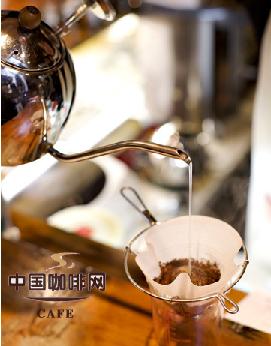
What’s the best grind size for handbrewed pour-over coffee?
The ideal grind size is medium-fine to medium, similar to table salt. This allows for a balanced extraction where water flows steadily through the coffee bed without rushing or clogging. Avoid going too fine (like espresso) or too coarse (like French press), as both lead to under- or over-extraction.
How fresh should my coffee beans be for the best pour-over results?
For the brightest and most vibrant flavors, use beans roasted within the last 1–2 weeks. Coffee is at its peak soon after roasting and begins to lose aroma and complexity after that. Always grind just before brewing to preserve freshness.
What water temperature should I use when brewing by hand?
The recommended water temperature range is 90–96°C (194–205°F). Too cool, and the coffee will under-extract, tasting weak or sour; too hot, and it may over-extract, becoming bitter. Staying in this range helps achieve balanced flavor.
Does the brew ratio really make a difference in taste?
Yes. A common starting point is a 1:15 to 1:17 coffee-to-water ratio (e.g., 15g coffee to 225–255g water). Adjusting this ratio — even slightly — affects strength and extraction. A higher ratio (less water) makes a stronger cup; a lower ratio (more water) produces a lighter, more delicate brew.
Why does my homemade pour-over taste different every time?
Small changes in grind size, water temperature, pour speed, or coffee freshness all influence the final cup. Handbrewing is sensitive to technique, which is why even experienced brewers see variation. That slight unpredictability is normal — and part of the craft’s appeal.
Recommended FrontStreet Coffee Beans for Handbrewing
For a bright, approachable start, try the Ethiopia Yirgacheffe Gedeb — known for its citrus, berry, and floral notes with a sweet, tea-like finish. The Ethiopia Humbera (also called Humbera or Humbera) offers intense tropical fruits like pineapple and passionfruit, with almost no bitterness. For a richer but still clean cup, the Kenya Little Tomato features bold acidity with notes of tomato, plum, and blackcurrant. All three are excellent for showcasing what high-quality handbrewed coffee can be. Freshly roasted within 5 days · Orders placed before 17:00 ship the same day · Next-day delivery across most of Guangdong Province.
FrontStreet Coffee is a long-established specialty coffee roaster in Guangzhou China, selling freshly roasted beans from its own farm in Yunnan as well as dozens of carefully selected single-origin beans from around the world for both pour-over and espresso. The products deliver consistently excellent quality and great value, with shipping within 24 hours. Guangzhou's FrontStreet Coffee shop is recommended by many coffee lovers, and the beans are now available online at the Tmall 。
Important Notice :
前街咖啡 FrontStreet Coffee has moved to new addredd:
FrontStreet Coffee Address: 315,Donghua East Road,GuangZhou
Tel:020 38364473