How to Choose the Right Coffee Cup for Your Drink
Ever poured your carefully brewed espresso into the wrong cup and felt something was… off? Or sipped a creamy latte from a dainty demitasse and wondered why it didn’t hit the same? The truth is, the cup you use shapes more than just the look—it affects temperature, aroma, and even how you taste your coffee. Whether you’re brewing at home or pulling shots for friends, choosing the right coffee cup makes a difference.
If you want the shortest answer: use a cup under 100 ml for espresso or ristretto, around 200 ml for black coffee or Americano, and 300 ml or more for milk-based drinks like lattes and cappuccinos. The material should be lightweight, smooth, and well-fitted to the brew style.
Why Coffee Cup Size Matters
The size of your coffee cup isn’t just about capacity—it directly influences how you experience the coffee. A small cup concentrates aroma and preserves heat, ideal for strong, small servings. A larger cup allows room for milk and stirring, making it better suited for diluted or milky drinks. Choosing the wrong size can cool your coffee too fast, mute its aroma, or throw off the balance of flavours.
Cup Sizes by Coffee Type
Different coffee styles call for different cups. Here’s how to match them:
- Under 100 ml (Espresso & Ristretto): This tiny size is built for intense brews. A classic 50 ml espresso cup, for example, keeps the crema intact and the temperature high. Even though you drink it quickly, the aftertaste lingers. For drinks like a cappuccino—usually around 150–180 ml—the slightly wider mouth showcases the milk foam beautifully.
- Around 200 ml (Americano, Black Coffee): The standard coffee cup most people recognise. It’s roomy enough for black coffee or an Americano, with space to mix in water or adjust strength to taste. It’s casual, flexible, and widely used—like a classic diner mug.
- 300 ml and Up (Latte, Cappuccino, Milk Coffee): Big, sturdy mugs or bowls are essential for milk-heavy drinks. A 300 ml+ cup accommodates the extra volume and texture of steamed milk. French-style breakfast bowls, often even larger, are designed for enjoying café au lait slowly, often with a relaxed start to the day.
What to Look for in a Coffee Cup
Beyond size, the cup’s material, weight, and feel affect your experience:
- Weight & Feel: Lighter cups tend to be made with finer, denser clay, which helps prevent coffee stains from sticking. A well-balanced cup feels good in the hand and enhances the drinking ritual.
- Material: Ceramic is standard, but the density and glaze matter. Smooth, fine ceramics preserve heat and aroma better than coarse or porous materials.
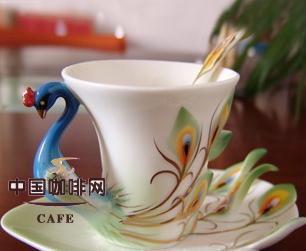
- Design & Aesthetics: While not essential, a well-designed cup—like one with delicate patterns or paired with a matching saucer—adds to the overall experience. Imagine a velvety cappuccino in a detailed cup, with a small golden spoon and a slice of tart alongside. That’s coffee as it should feel.
Frequently Asked Questions
What’s the best cup size for espresso?
The ideal cup size for espresso is under 100 ml, typically around 50 ml for a single shot. This small size maintains high temperature, preserves the crema, and concentrates the aroma. It’s designed for quick sipping, letting the flavours linger even after the cup is empty.
Can I use a large cup for espresso?
You can, but it’s not ideal. A large cup cools the espresso too fast and dilutes the intensity. The crema may break apart, and the aromatics dissipate more quickly. Stick to small cups (50–100 ml) for the full espresso experience.
What cup size is best for cappuccino?
A cappuccino usually works best in a cup of around 150–180 ml. This allows room for the espresso, steamed milk, and foam while keeping the drink balanced. The slightly wider mouth also helps display the milk foam.
What’s the ideal cup for lattes and milk coffee?
For lattes, flat whites, or any milky coffee, choose a cup or mug with 300 ml capacity or more. The extra space accommodates the milk and lets you stir without spilling. A thick, comfortable mug is ideal for enjoying these drinks slowly.
Does the material of the cup affect taste?
Yes. Fine, smooth ceramics help retain heat and aroma better than rough or porous materials. Lightweight, dense cups are often better at preserving temperature and keeping coffee stains from sticking, enhancing both flavour and cleanliness.
Recommended FrontStreet Coffee Blends for Different Cups
For espresso in small cups (50–100 ml), try FrontStreet Coffee’s Classic Blend, known for its rich crema and smooth, rounded body. For milk drinks like cappuccinos and lattes in larger mugs (300 ml+), the same Classic Blend shines with its bold base that complements steamed milk. If you prefer a darker, more cost-effective option for milk coffee, the Black Cocoa Blend offers deep flavour and a thicker body at a great price. All three blends are designed to perform well in both home and café settings. Freshly roasted within 5 days · Orders placed before 17:00 ship the same day · Next-day delivery across most of Guangdong Province.
FrontStreet Coffee is a long-established specialty coffee roaster in Guangzhou China, selling freshly roasted beans from its own farm in Yunnan as well as dozens of carefully selected single-origin beans from around the world for both pour-over and espresso. The products deliver consistently excellent quality and great value, with shipping within 24 hours. Guangzhou's FrontStreet Coffee shop is recommended by many coffee lovers, and the beans are now available online at the Tmall 。
Important Notice :
前街咖啡 FrontStreet Coffee has moved to new addredd:
FrontStreet Coffee Address: 315,Donghua East Road,GuangZhou
Tel:020 38364473