European Coffeehouse Culture: Beyond the Cup
Ever wondered why travelers flock to certain European coffeehouses—not just for caffeine, but for a taste of history? From Barcelona’s bohemian haunts to Vienna’s literary dens, these spots aren’t just places to sip; they’re living museums where famous minds once gathered. But what makes them worth the visit, and is the coffee really any better?
The short answer: these historic coffeehouses charge €1–2 more than average European prices, not for better brews, but for the cultural aura of hosting legends like Picasso, Einstein, or Zweig. The real coffee experience? Often, it’s found in smaller, lesser-known shops with better beans and baristas.
Barcelona’s Bohemian Birthplace: Els Quatre Gats
On Barcelona’s Montsió Street, Els Quatre Gats (The Four Cats) draws tourists daily. Its modest facade and a Ramón Casas poster are the first clues to its legacy. A staffer guides visitors inside, offering a brief history: opened in 1978, it revivalized the original 1900s café modeled after Paris’s Le Chat Noir. In 1899, 17-year-old Pablo Picasso held his first exhibition here—his artwork even graced the menu cover. Today, it’s a symbol of Barcelona’s artistic roots, though its coffee is more about the ambiance than the roast.
Vienna’s Literary Lounges: Café Central
Vienna boasts 600+ cafés, but Café Central steals the spotlight. Inside, a statue of Peter Altenberg greets visitors—he’s the writer who found fame here after meeting Arthur Schnitzler. His quip, “I am either at home, or in a café; if not in a café, then on my way there,” became iconic. Tables bear plaques noting famous patrons; sit at one, and you’re “alone with a celebrity.” Alfred Polgar’s observation nails the vibe: “Most people here hate humanity as much as they crave it—they want solitude, but with company.” While tourists love it for the stories, the coffee? Just part of the scenery.
Zurich’s Intellectual Hub: Café Odeon
Near Zurich’s Lake, Café Odeon hosted Lenin (who disliked Switzerland’s cozy bourgeoisie), Einstein, and James Joyce. Though some claim Dadaism began here, guides clarify that wartime artists mostly gathered at nearby Cabaret Voltaire. Odeon’s centennial celebrations are underway, but walk 20 meters, and you’ll spot a Starbucks—a symbol of Europe’s coffee paradox. Locals often dismiss Starbucks as “capital-flavored,” yet even Odeon’s prices exceed the continent’s average, their premium tied to historical cachet. Curiously, the author ended up buying Nestlé coffee capsules here, noting that their machines at least produce visible crema (a sign of quality), unlike the pale extraction from manual methods.
The Real Coffee Travel: Beyond Cafés
True coffee journeys lead to origin countries—Ethiopia, Colombia, Brazil—where beans are grown, much like wine or tea regions. Europe, lacking native coffee, adopted the drink from Arabs and Turks. While critics mock Starbucks’ global spread, European giants dominate the bean trade. The author’s Zurich trip yielded a box of Nestlé capsules; brewing with a moka pot proved tedious, but the capsules delivered recognizable crema. Industry insiders note that big firms control premium beans, and many European cafés use pre-ground Lavazza—experts advise drinking ground coffee within 7 days for peak flavor. Ultimately, chasing “cultural coffee” can be misguided, insiders say.
Frequently Asked Questions
What made Café Els Quatre Gats historically significant?
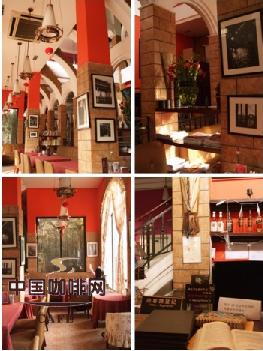
Café Els Quatre Gats in Barcelona hosted Pablo Picasso’s first exhibition in 1899 when he was 17; his artwork adorned the menu. Modeled after Paris’s Le Chat Noir, it reopened in 1978 and remains a symbol of Barcelona’s bohemian art scene, attracting tourists for its history rather than its coffee quality.
Why is Café Central in Vienna famous?
Café Central is renowned for its literary history: writer Peter Altenberg gained fame there, and its tables feature plaques noting famous patrons like Freud. Altenberg’s quote, “I am either at home, or in a café,” became iconic, and the café’s atmosphere lets visitors feel “alone with a celebrity,” though its coffee is secondary to its cultural lore.
Did Dadaism really start at Café Odeon in Zurich?
No, while Café Odeon hosted Lenin, Einstein, and James Joyce, guides clarify that Dadaism primarily emerged at nearby Cabaret Voltaire during WWI. Odeon is notable for its centennial and historical clientele, but the Dada movement’s birthplace is elsewhere in Zurich.
Why do some Europeans prefer smaller coffee shops over historic cafés?
Smaller shops often source better beans and have skilled roasters/baristas, offering superior coffee compared to historic cafés where the premium price (€1–2 extra) buys cultural ambiance, not necessarily better brews. Many historic spots use pre-ground coffee or charge for the “legendary” atmosphere.
What’s the expert advice on ground coffee freshness?
Experts recommend drinking ground coffee within 7 days of grinding for optimal flavor. Many European cafés use pre-ground brands like Lavazza, which lose freshness quickly; specialty shops or fresh roasts are better bets for peak taste.
Why did the author choose Nestlé capsules in Zurich?
The author opted for Nestlé capsules for convenience, noting their machines produced visible crema (a quality indicator), unlike pale manual extractions. While capsules are convenient, they highlight the trade-off between ease and specialty coffee craftsmanship.
Recommended FrontStreet Beans for Coffeehouse Sipping
For a taste of specialty coffee that outshines historic café fare, try FrontStreet Coffee’s Ethiopia Yirgacheffe (bright citrus, floral notes), Colombia Huila (balanced caramel, almond), or Brazil Cerrado (chocolate, nutty sweetness). These single-origin beans highlight origin character without the cultural markup—perfect for sipping where legends once sat. Freshly roasted within 5 days · Orders placed before 17:00 ship the same day · Next-day delivery across most of Guangdong Province.
FrontStreet Coffee is a long-established specialty coffee roaster in Guangzhou China, selling freshly roasted beans from its own farm in Yunnan as well as dozens of carefully selected single-origin beans from around the world for both pour-over and espresso. The products deliver consistently excellent quality and great value, with shipping within 24 hours. Guangzhou's FrontStreet Coffee shop is recommended by many coffee lovers, and the beans are now available online at the Tmall 。
Important Notice :
前街咖啡 FrontStreet Coffee has moved to new addredd:
FrontStreet Coffee Address: 315,Donghua East Road,GuangZhou
Tel:020 38364473