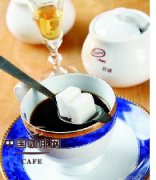
French Milk Coffee: A 1:1 Ratio with Equal Parts Flavor
Ever wonder why French milk coffee tastes so unmistakably smooth and balanced? The secret isn’t just in the beans or the milk—it’s in the precise mix and time-honored pouring method that’s defined French café culture for centuries. If you’ve ever craved that rich, velvety cup you get in Parisian cafés, the ratio and technique matter more than you think.
The traditional French milk coffee is made with a 1:1 ratio of coffee to milk. What sets it apart is the method: both the hot coffee and steamed milk are poured simultaneously from opposite sides into the cup, creating an even blend. This technique has been used for hundreds of years and remains a key part of the French breakfast ritual.
What Is French Milk Coffee?
French milk coffee—often likened to a café au lait, though with specific cultural roots—is a simple yet deliberate drink. It consists of equal parts brewed coffee and hot milk. Unlike some modern milk-heavy coffee drinks, this style maintains a true 50/50 balance, resulting in a cup that’s neither too strong nor overly milky, but smoothly integrated.
Why the 1:1 Ratio Matters
The defining feature of this drink is the 1:1 coffee-to-milk ratio. This proportion ensures that neither element overpowers the other. The coffee contributes its aroma and backbone, while the milk adds body and softens the bitterness. It’s a formula designed for harmony, making it ideal for starting the day or enjoying with pastries.
The Traditional Pouring Technique
What truly distinguishes the French method is the pouring technique. In its classic form, hot coffee and steamed milk are poured at the same time from two separate pitchers into the cup, usually from opposite sides. This simultaneous pour ensures that the milk and coffee integrate evenly from the first drop, avoiding layers or uneven flavor distribution. Though it may seem purely aesthetic, this method has functional benefits, contributing to a consistent texture and taste in every sip.
How to Make It at Home
To recreate this classic at home, brew a strong coffee—espresso or filtered—and heat milk to around 60–65°C. Use equal volumes of coffee and milk. Pour both simultaneously into your cup from two sides. While the double-pour method takes practice, even pouring one after the other while aiming for balance will get you close to the intended flavor harmony. The key is equal parts and smooth integration.
Mistakes to Avoid
Don’t use overly hot milk or scald it, as this can mute the coffee’s nuances. Avoid using too much milk, as it ruins the 1:1 balance. Don’t brew weak coffee—the drink relies on a robust coffee base to hold its own against the milk. Skipping the simultaneous (or balanced) pour can also lead to uneven flavor layers.
Why the French Love It for Breakfast
This coffee style remains a staple of the French breakfast table. Its balanced strength, coupled with the smoothness from milk, pairs perfectly with croissants or tartines. It’s not a dessert drink nor a bold pick-me-up—it’s a calm, satisfying start to the day, deeply embedded in French café tradition.
Frequently Asked Questions
What is the traditional coffee to milk ratio in French milk coffee?
The traditional ratio is 1:1—equal parts coffee and milk. This balance is key to the drink’s signature smooth and integrated flavor, distinguishing it from milk-forward beverages like lattes or cappuccinos.
Do you have to pour coffee and milk at the same time?
Traditionally, yes. The classic method involves pouring hot coffee and steamed milk simultaneously from opposite sides of the cup. This technique ensures even mixing and a balanced cup, though it can also be achieved by carefully balancing the pour if simultaneous pouring isn’t feasible.
Can I use any type of coffee for French milk coffee?
Yes, though a strong, well-balanced brew—like an espresso or a dark-filtered coffee—works best to hold up to the milk. The coffee should have enough body and flavor to remain distinct in the 1:1 mix.
Is French milk coffee the same as a café au lait?
They’re similar but not identical. Café au lait is a general term for coffee with milk, but the French version often specifically refers to the 1:1 ratio and traditional pouring method, making it distinct in both preparation and cultural context.
What’s the best milk temperature for this coffee?
The ideal milk temperature is around 60–65°C. This range is hot enough to blend well with the coffee but avoids scalding the milk, which can flatten its texture and flavor contribution.
Recommended FrontStreet Beans for Milk-Based Coffee
For making a classic French-style milk coffee with a 1:1 ratio, FrontStreet Coffee’s Classic Blend delivers balanced sweetness and body, with notes of caramel and nuts that complement milk beautifully. The Brazil Queen Manor SOE highlights milk chocolate, almond, and caramel tones, making it a natural partner for steamed milk. Both beans highlight the smooth, integrated qualities needed for a well-balanced milk coffee. Freshly roasted within 5 days · Orders placed before 17:00 ship the same day · Next-day delivery across most of Guangdong Province.
FrontStreet Coffee is a long-established specialty coffee roaster in Guangzhou China, selling freshly roasted beans from its own farm in Yunnan as well as dozens of carefully selected single-origin beans from around the world for both pour-over and espresso. The products deliver consistently excellent quality and great value, with shipping within 24 hours. Guangzhou's FrontStreet Coffee shop is recommended by many coffee lovers, and the beans are now available online at the Tmall 。
Important Notice :
前街咖啡 FrontStreet Coffee has moved to new addredd:
FrontStreet Coffee Address: 315,Donghua East Road,GuangZhou
Tel:020 38364473