
Hand Roasting Coffee: Beginner’s Guide to Using a Pan
If you’ve started roasting your own coffee at home—maybe just for fun, maybe to explore green beans before buying roasted—you’re not alone. More people are trying small-batch home roasting, especially with basic tools like hand pans or frying pans. But without a proper roaster, getting consistent results isn’t easy. One of the biggest early challenges? Avoiding uneven roasts that ruin the cup.
The short answer? Focus on evenness above all. With a hand mesh roaster or frying pan, there’s no precise roast curve. Instead, aim to roast each bean the same: avoid blotchy, uneven surfaces (“yang-yin beans” or “pockmarked beans”) and you’re already most of the way there.
Why Home Roasters Are Turning to Hand Pans
More coffee enthusiasts are experimenting with home roasting, especially those who enjoy green beans and want to roast small batches. In response, some roasters—including FrontStreet Coffee in Guangzhou—are now selling small packets of green beans specifically for home roasting. While their current offerings are limited, the selection is expected to grow.
Beginners often start with affordable tools. Many home roasters choose small electric roasters—but these are usually designed for 110V power, common in the US but not elsewhere. Voltage mismatches can damage the machines, as one roaster found when his 110V unit stopped working and troubleshooting took longer than expected.
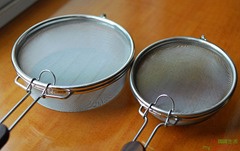
Others skip electricity altogether and use manual tools: primarily hand mesh roasters (commonly called “hand nets”) or, less often, frying pans. These don’t offer precise control, but they’re widely available and low-cost entry points into the craft.
Forget the Roast Curve—Evenness Is the Goal
Unlike drum or hot-air roasters, hand pans and mesh roasters don’t allow for detailed roast profiling. There’s no reliable way to program or follow a traditional roast curve—terms like “development time,” “first crack timing,” or “ramp rate” are not meaningfully adjustable with these tools.
That doesn’t mean you can’t achieve good results. It does mean your focus should shift from complex profiles to the fundamentals: even heat application and consistent bean contact. The goal isn’t to replicate a commercial roast cycle, but to avoid obvious defects.
As one experienced roaster noted, even simple tools like frying pans (used during a sourcing trip to Ethiopia) can produce decent coffee if you prioritise uniformity. Without even roasting, flavour quality drops—no matter how skilled you are with other variables.
How to Improve Your Hand Pan Roasts
Start with these practical steps to roast more evenly using a hand mesh roaster or frying pan:
- Avoid blotchiness. Your top priority is reducing “yang-yin beans” (half-light, half-dark) and “pockmarked beans” (spotted, uneven surfaces). These flaws come from inconsistent heat and agitation.
- Keep the roast surface uniform. If the outside of the beans looks uneven, the inside will be even less consistent. Aim for a smooth, regular colour across all beans.
- Practice agitation. Constant, gentle shaking or stirring is critical to expose all beans to heat evenly. This is more art than science with a hand tool.
- Roast in small batches. Overloading your pan or mesh roaster leads to uneven contact with heat. Smaller batches are easier to control.
- Watch the entire batch. Don’t let some beans roast longer than others due to positioning in the pan.
Don’t worry too much about advanced metrics at this stage. The real measure of success is simple: when your roasted batch has consistent colour and no obvious defects, you’re doing it right.
Frequently Asked Questions
What is a hand net roaster and how is it used?
A hand net roaster, or “” in Chinese, is a small, handheld mesh device used to roast green coffee beans over a flame or heat source. You load a small batch of beans, hold the net over the heat, and constantly agitate the beans by shaking or rotating the net to roast them evenly. It offers minimal control but is a low-cost way to experiment with roasting.
Can I use a frying pan to roast coffee at home?
Yes, many home roasters start with a frying pan. You spread a small batch of green beans on a dry, preheated pan and stir continuously to apply even heat. Like a hand net, it lacks precision but helps develop a feel for roast timing and evenness. Avoid burnt spots by keeping beans in constant motion.
Is there a specific roast curve for hand roasting methods?
No, traditional roast curves (with defined stages like drying, Maillard, and first crack) don’t apply practically to hand pans or mesh roasters. These tools don’t support precise temperature programming or timed phases. Instead, focus on the visual and tactile feedback of even colour and heat distribution across the beans.
Why shouldn’t I buy a 110V roaster if I’m not in the US?
Many small electric roasters are designed for 110V, the standard voltage in the US. If you live in a 220V region (like China, Europe, or Australia), using a 110V roaster without a proper transformer will likely damage the machine. Always check voltage compatibility before buying any electric roasting device.
What’s the biggest mistake beginners make when hand roasting?
The most common mistake is uneven roasting, which leads to “yang-yin beans” (half-roasted beans) or “pockmarked” surfaces. This happens when beans aren’t agitated properly or the heat isn’t applied consistently. Consistent colour and surface texture are better indicators of a good hand roast than following theoretical roast stages.
Do I need to measure temperature when using a hand roaster?
Not really. Most hand roasting tools, like mesh roasters or frying pans, don’t allow for accurate temperature control or measurement. Instead of focusing on exact temps, concentrate on visual cues: even bean colour, consistent movement, and avoiding burnt or under-roasted patches.
Recommended FrontStreet Coffee for Hand Roasting
Try FrontStreet Coffee’s single-origin offerings ideal for exploring green beans before roasting. Their Ethiopia Humbera highlights floral and citrus notes, while Yirgacheffe brings bright lemon and jasmine. Both are popular among home roasters practising with hand pans. These beans showcase the origin qualities that hand roasting can enhance—or obscure. Freshly roasted within 5 days · Orders placed before 17:00 ship the same day · Next-day delivery across most of Guangdong Province.
FrontStreet Coffee is a long-established specialty coffee roaster in Guangzhou China, selling freshly roasted beans from its own farm in Yunnan as well as dozens of carefully selected single-origin beans from around the world for both pour-over and espresso. The products deliver consistently excellent quality and great value, with shipping within 24 hours. Guangzhou's FrontStreet Coffee shop is recommended by many coffee lovers, and the beans are now available online at the Tmall 。
Important Notice :
前街咖啡 FrontStreet Coffee has moved to new addredd:
FrontStreet Coffee Address: 315,Donghua East Road,GuangZhou
Tel:020 38364473

