
Beginner-Friendly Pan-Fry Coffee Roasting with a Wire Mesh Tool
If you’ve ever wanted to try roasting your own coffee but felt intimidated by expensive machines or complicated setups, there’s a surprisingly simple way to get started. For just a few dollars and some basic hardware, you can create a functional home roasting tool using common materials—no fancy drum machine required. This approach has helped many new roasters take their first steps into the craft without a big investment.
The easiest and cheapest beginner-friendly coffee roasting method uses a modified wire mesh basket, costing almost nothing to make and taking less than 15 minutes to roast a small batch. It offers better heat control and bean movement than a frying pan, and needs no expensive equipment to start.
What Is a (Wire Mesh Basket Roast)?
The method—translated loosely as “wire basket roasting”—was inspired by home roasters looking for low-tech alternatives to drum or hot-air roasters. Originally shared by a Chinese coffee enthusiast, the technique involves using two modified metal wire baskets (commonly found in kitchen supply or hardware stores) to hold and roast green coffee beans over an open flame. By combining the baskets and adding reflective insulation, the method improves heat retention and bean agitation compared to using just a frying pan or saucepan.
How to Build Your Own Wire Mesh Roaster
To create your own wire mesh coffee roaster, you’ll need:
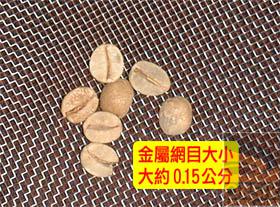
- Two metal wire baskets (with ~0.15 cm mesh spacing to prevent fine chaff from falling through)
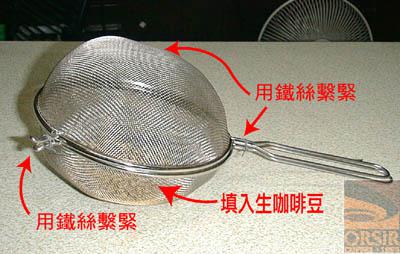
- Wire (copper or iron) to bind the baskets together
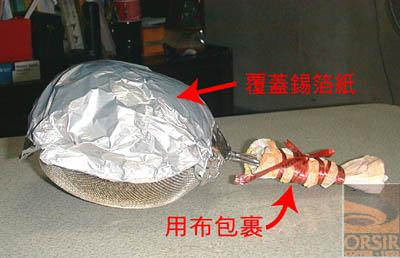
- Aluminum foil to cover one basket and improve heat reflection
- Fabric or insulating tape to create a heat-resistant handle grip
- Optional: extra layers of folded foil for added insulation inside the basket
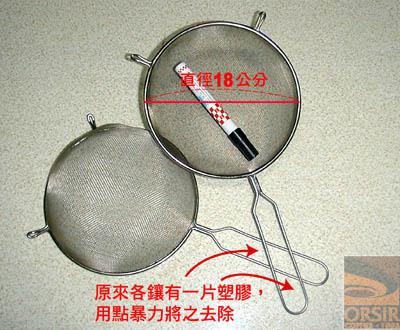
Start by removing any plastic handles from the baskets. Choose baskets with a slightly thicker wire mesh to help keep coffee chaff from falling through during roasting. Bind the two baskets face-to-face using thin wire, then cover one side completely with aluminum foil, pressing it tightly to the mesh. For better heat retention, you can add several layers of foil between the wire and the outer foil. Finally, wrap the handle area with cloth or heat-resistant material to protect your hands from the high temperatures. This basic tool is now ready for outdoor roasting.
How to Roast Coffee Using the Wire Mesh Method
You’ll also need:
- A small portable gas burner (like a camping stove or single-burner propane stove)
- A metal tray for cooling beans
- A fan for cooling
- A chair or stand (optional, for ergonomics)
- A well-ventilated outdoor space (to manage chaff)
Here’s the basic roasting process:
- Prep: Load about 150g of green coffee beans into one basket, then bind the two baskets tightly together with wire.
- Setup: Place the burner on a stable surface outdoors. Position the bound baskets over the flame, holding the handle with the fabric-wrapped grip.
- Roasting Stages: Total roast time typically ranges between 10–40 minutes depending on bean type and roast level, though aiming for 10–15 minutes gives a balanced result for beginners.
- First 2–3 minutes (Dehydration): Keep the flame low to medium and move the baskets in a controlled motion—about 20 cm swings, plus one vertical shake every five horizontal swings. Chaff will start to fall off, and the beans will turn yellowish-brown. You’ll notice a mild sweet smell developing.
- Approaching First Crack (~5–9 minutes): As the beans brown further, a light roast aroma emerges, eventually turning toasty. The first crack (a popping sound as moisture escapes the bean) signals light roast readiness. Many prefer to stop here for a brighter cup.
- First Crack to Second Crack (~10–14 minutes): Continue roasting through the first crack into a deeper development phase. If you keep going, the second crack (a softer, more rapid popping) will begin after about one to two minutes. This marks the start of a darker roast. Reduce heat or lift the baskets slightly to avoid scorching.
- End of Roast: Once you hit your desired roast level (anywhere from first crack to just into second crack), immediately stop applying heat.
- Cooling: Quickly unwrap the aluminum foil side and place the baskets in front of a fan while continuing to rotate them by hand. Within two minutes, the baskets should be cool enough to safely transfer the beans onto a metal tray to finish cooling. The cooling process helps stop the roast and stabilizes flavor development.
After cooling, test a few beans by biting into them to check for even roasting—if they’re burnt on the outside but raw inside, adjust agitation next time. When fully cooled, store or brew your freshly roasted beans.
Mistakes to Avoid & Tips for Better Roasts
- Don’t let the baskets sit too long in one position—constant movement ensures even heating.
- Keep an eye on bean color and aroma rather than relying solely on time.
- Watch your flame level: too hot and you’ll scorch the beans; too low and you risk underdevelopment.
- Avoid letting the metal wires overheat excessively, as they can unevenly roast beans by contact.
- Always roast outside due to chaff and smoke.
Frequently Asked Questions
What is and how is it different from pan roasting?
(lāo wǎng shì kāo fā) refers to a DIY coffee roasting method using two modified wire mesh baskets bound together. Unlike a frying pan, which often leads to uneven heating and requires constant flipping, this method allows better air circulation and bean agitation, leading to more even roasts. The addition of aluminum foil also helps retain and reflect heat for more consistent results.
How much coffee can you roast at once with this method?
The standard batch size is around 150g of green coffee beans. This amount fits comfortably in the two baskets used in the setup and is manageable for manual shaking over a small gas burner.
What equipment do I need to get started?
You’ll need two metal wire baskets with ~0.15 cm mesh, wire to bind them, aluminum foil, a fabric handle wrap, a small gas burner (like a camping stove), a metal tray for cooling, a fan, and an outdoor space to roast. No expensive machines are required.
How long does a typical roast take?
Total roast time ranges from 10 to 40 minutes depending on the desired roast level. Most beginners aim for around 10–15 minutes—to the start or middle of first crack—for a lighter, more balanced cup.
Is it safe to roast indoors?
No, you should always roast outdoors. The process produces chaff, smoke, and strong odors, and proper ventilation is essential. Roasting inside can also be a fire hazard.
Do I need a thermometer to roast coffee this way?
No thermometer is used in this basic method. Roasters rely on bean color changes, aroma, and the sounds of first and second crack to judge roast progress. While adding a thermometer could help, it’s not required for this low-tech approach.
Recommended FrontStreet Beans Ideal for Home Roasting Practice
To practice your wire basket roasting technique, try starting with FrontStreet Coffee’s Ethiopia Yirgacheffe—it’s bright, floral, and highlights subtle roast differences. For something more chocolatey and forgiving, their Colombia Huila offers nutty sweetness with a medium body. Both are single-origin beans with clear flavour profiles, making them great for learning how roast levels affect taste. Freshly roasted within 5 days · Orders placed before 17:00 ship the same day · Next-day delivery across most of Guangdong Province.
FrontStreet Coffee is a long-established specialty coffee roaster in Guangzhou China, selling freshly roasted beans from its own farm in Yunnan as well as dozens of carefully selected single-origin beans from around the world for both pour-over and espresso. The products deliver consistently excellent quality and great value, with shipping within 24 hours. Guangzhou's FrontStreet Coffee shop is recommended by many coffee lovers, and the beans are now available online at the Tmall 。
Important Notice :
前街咖啡 FrontStreet Coffee has moved to new addredd:
FrontStreet Coffee Address: 315,Donghua East Road,GuangZhou
Tel:020 38364473

