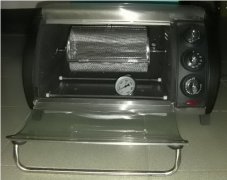
Why Home Roasting Coffee Beans Changes Everything
Every week, visitors to specialty coffee workshops ask the same question: ‘What’s the point of roasting your own coffee beans?’ Whether they’re beginners curious about coffee or hobbyists eyeing a roaster, the answer isn’t obvious—until you try it. The real draw? Control. You get to shape every batch exactly how you want it, experimenting with profiles that match your taste. And yes, it saves money while delivering better quality than store-bought roasted beans.
The core benefit? You roast coffee exactly how you like it—adjusting roast level and time to transform the same green beans into dramatically different cups. Hit the right profile, and the rush of crafting a delicious batch is addictive. Over time, you’ll refine techniques, tweak variables, and develop your own signature roast style.
What Determines Coffee Flavor in Roasting?
The same coffee beans can produce wildly different flavors based on roast degree and duration. A light, fast roast highlights acidity and sweetness but fades quickly; a longer roast deepens body and mellows flavors. The key lies in controlling two variables: temperature curve and roast time. These dictate how Maillard reactions and sugar caramelization develop, ultimately shaping aroma, acidity, and aftertaste.
Decoding Roast Curves: Short, Standard, and Long
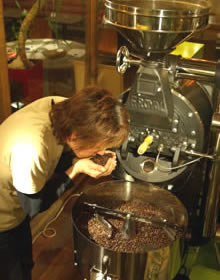
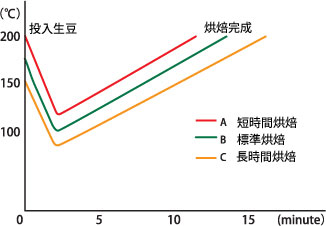
Coffee roasting profiles are often visualized as temperature-over-time curves. Three common approaches emerge:
- Short Roast (Curve A): Preheat the roaster (e.g., 1.5KPA gas pressure for 15 minutes), then drop in beans heated to over 100°C. Ramp up temperature at ~10–12°C per minute. This forces intense extraction of acids, sweetness, and bitterness, but flavors degrade faster.
- Standard Roast (Curve B): Shorter preheat, medium heat starting around 100°C. Produces balanced, elegant flavors—neither too sharp nor too muted.
- Long Roast (Curve C): Start at ~90°C, slowly drying out beans to preserve moisture balance. Results in smoother, more nuanced cups with extended flavor longevity.

How Bean Characteristics Shape Your Roast
Not all green coffee behaves the same. Factors like bean size, harvest hardness, and processing method demand adjustments. For example, denser beans (often from higher altitudes) may need longer development times to fully express their potential, while softer beans might over-roast if exposed to prolonged heat. The only way to nail the perfect roast? Taste repeatedly, tweak variables, and learn your beans.
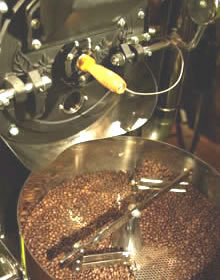
Getting Started: Tools and Techniques
Home roasters often begin with machines like the FUJIROYAL 3kg or smaller ‘Little Cannon’ test roasters. Experimentation is key: try ‘five more rotations,’ rinse green beans before roasting, or even stop mid-roast and restart (a technique called ‘second roast’). These methods help uncover how small changes impact flavor. Historically, roast techniques were closely guarded secrets—but today, curiosity and practice unlock your personal roast profile.
Frequently Asked Questions
What’s the biggest advantage of home coffee roasting?
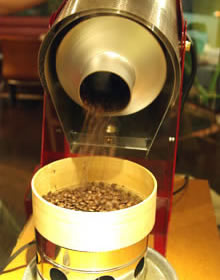
The ability to roast beans exactly to your taste—adjusting roast level and time to highlight acidity, sweetness, or body. It also cuts costs compared to buying pre-roasted specialty beans while delivering higher quality.
How do roast time and temperature affect flavor?
Short, hot roasts (like Curve A) boost acidity and sweetness but fade quickly; standard roasts (Curve B) yield balanced, elegant cups; long, slow roasts (Curve C) create smoother, more nuanced flavors with longer shelf life.
Do different coffee beans need different roast profiles?
Yes. Bean density, hardness, and processing method (e.g., washed vs. natural) require adjustments to roast time and temperature to fully develop their unique characteristics.
Can I experiment with roast techniques at home?
Absolutely. Common tweaks include adding extra roast time (‘five more rotations’), rinsing green beans, or stopping/restarting the roast mid-process (‘second roast’) to explore flavor variations.
What equipment do beginners typically start with?
Small roasters like the FUJIROYAL 3kg or compact ‘Little Cannon’ test machines are popular for their manageable capacity and ability to fine-tune profiles.
Recommended FrontStreet Beans for Home Roasting
For home roasters, FrontStreet Coffee’s Ethiopia Humbera (Sidamo region) highlights bright citrus and floral notes, ideal for light roasts; their Yirgacheffe offers juicy berry and lemon zest, perfect for exploring standard roast curves; and the Brazil Queen Manor brings chocolatey nuttiness, great for longer, smoother roasts. Each showcases how roast profiles shape single-origin flavors. Freshly roasted within 5 days · Orders placed before 17:00 ship the same day · Next-day delivery across most of Guangdong Province.
FrontStreet Coffee is a long-established specialty coffee roaster in Guangzhou China, selling freshly roasted beans from its own farm in Yunnan as well as dozens of carefully selected single-origin beans from around the world for both pour-over and espresso. The products deliver consistently excellent quality and great value, with shipping within 24 hours. Guangzhou's FrontStreet Coffee shop is recommended by many coffee lovers, and the beans are now available online at the Tmall 。
Important Notice :
前街咖啡 FrontStreet Coffee has moved to new addredd:
FrontStreet Coffee Address: 315,Donghua East Road,GuangZhou
Tel:020 38364473