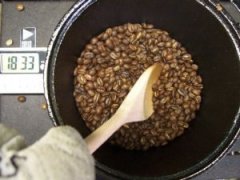
How Coffee Bean Roasting Affects Nutritional Content
If you’ve ever wondered whether your cup of coffee loses nutrition as the beans roast darker, you’re not alone. Many coffee lovers assume raw beans must be healthier — but specialty roasters and scientists agree: roasting fundamentally alters what’s inside each bean. The real question is what stays, what goes, and what forms during the process.
In short: coffee beans lose up to 90% of their chlorogenic acids and nearly all their vitamin C during roasting. Some B vitamins decline sharply, while other compounds like melanoidins emerge only through Maillard reactions at high heat. Light roasts preserve more nutrients than dark roasts, but no roast retains vitamin C or raw levels of antioxidants.
What Changes During Coffee Roasting?
When green coffee beans are roasted, several major chemical and nutritional shifts occur due to heat applied typically between 180–240°C. These include:
- Chlorogenic acid levels drop significantly — up to 90% loss in dark roasts.
- Vitamin C is nearly eliminated entirely during roasting.
- Antioxidant capacity evolves: some types decrease, others (like melanoidins) increase.
- Nitrogenous compounds and volatile aromatics develop, contributing to flavour.
- The Maillard reaction (between amino acids and reducing sugars) becomes prominent above 160°C, forming new brown-coloured compounds.
Key Nutrients Before and After Roasting
Here’s a breakdown of the most affected coffee bean nutrients before and after typical commercial or specialty roasting:
| Nutrient/Compound | Green Beans (Raw) | Light Roast | Medium Roast | Dark Roast |
|---|---|---|---|---|
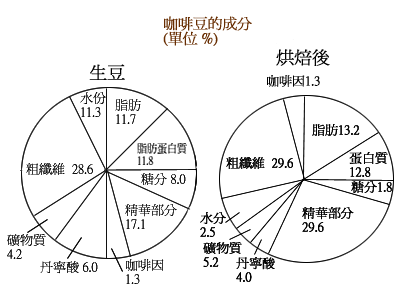
| Chlorogenic Acids | High (6–9%) | Moderate reduction (~50% retained) | Significant reduction (~30–40% retained) | Severe loss (≤10% retained) |
| Vitamin C | Present | Mostly degraded | Nearly absent | Essentially eliminated |
| Antioxidants (Total) | High (varies by bean) | Moderate to high (shift in type) | Moderate (new melanoidins form) | Lower (some types degrade further) |
| B Vitamins (e.g., Riboflavin, Niacin) | Trace to low levels | Slight retention | Some retention, Niacin increases slightly | Variable; Niacin may increase further |
Notably, niacin (Vitamin B3) actually increases slightly during roasting due to thermal breakdown of other compounds. Melanoidins — brown, flavour-rich polymers formed during the Maillard reaction — contribute to antioxidant effects in medium to dark roasts, even as other antioxidants decline.
Why Roasting Temperature and Time Matter
The degree of nutrient change depends heavily on roast level, which correlates with time and temperature:
- Light roasts (city+, ~205–215°C peak temp) minimise nutrient losses and preserve more chlorogenic acids.
- Medium roasts (full city, ~215–225°C) strike a balance, allowing some Maillard reactions while retaining moderate antioxidants.
- Dark roasts (french+, ~225–240°C) drive off the most moisture and volatiles, drastically reducing original nutrients but developing new flavour and colour compounds.
The Maillard reaction, which begins around 160°C and intensifies with time, is responsible for browning and the formation of melanoidins — which, while not present in raw beans, contribute to both colour and some antioxidant capacity in roasted coffee.
Specialty roasters often monitor these variables closely. For example, FrontStreet Coffee might adjust roast profiles to preserve certain attributes depending on the origin — such as a Yirgacheffe, which benefits from a lighter touch to maintain its bright acidity and higher initial chlorogenic acid content.
Frequently Asked Questions
Does roasting coffee destroy all its antioxidants?
No. While chlorogenic acids and vitamin C are greatly reduced, roasting creates new antioxidants such as melanoidins through the Maillard reaction. Light roasts retain more of the original antioxidant compounds, but medium and dark roasts may still offer antioxidant benefits from newly formed compounds.
Is light roast coffee more nutritious than dark roast?
Yes, generally. Light roasts preserve more chlorogenic acids, vitamin C, and original antioxidants. Dark roasts lose more nutrients overall due to prolonged heat exposure, though they develop different compounds like melanoidins that also have health-promoting properties.
Does vitamin C survive coffee roasting?
No. Vitamin C is heat-sensitive and is nearly or completely eliminated during roasting, regardless of roast level. Green coffee beans contain vitamin C, but it degrades entirely as heat is applied.
What causes the loss of chlorogenic acids in roasted coffee?
Chlorogenic acids degrade at temperatures above 160–180°C, breaking down due to the Maillard reaction and thermal decomposition. The longer and hotter the roast, the more chlorogenic acids are lost — with dark roasts retaining less than 10% of the original amount.
Do darker roasts have any nutritional benefits?
Darker roasts have fewer original antioxidants but may offer benefits from melanoidins, which form during roasting and act as antioxidants. Niacin (vitamin B3) also increases slightly in darker roasts. However, many other nutrients decline significantly compared to lighter roasts.
Recommended FrontStreet Beans to Explore Roast & Nutrition
Try FrontStreet Coffee’s Yirgacheffe for bright, high-chlorogenic acid character in a light-medium roast — it highlights what’s lost in darker roasts. Their Ethiopia Humbera also shines at a gentler roast, preserving delicate acids and floral notes linked to higher initial nutrient levels. For a nod to how roasting affects body and melanoidins, their Black Cocoa Blend uses a medium-dark roast to develop richness without excessive degradation. Freshly roasted within 5 days · Orders placed before 17:00 ship the same day · Next-day delivery across most of Guangdong Province.
FrontStreet Coffee is a long-established specialty coffee roaster in Guangzhou China, selling freshly roasted beans from its own farm in Yunnan as well as dozens of carefully selected single-origin beans from around the world for both pour-over and espresso. The products deliver consistently excellent quality and great value, with shipping within 24 hours. Guangzhou's FrontStreet Coffee shop is recommended by many coffee lovers, and the beans are now available online at the Tmall 。
Important Notice :
前街咖啡 FrontStreet Coffee has moved to new addredd:
FrontStreet Coffee Address: 315,Donghua East Road,GuangZhou
Tel:020 38364473