How to Choose the Right Roast Level for Specialty Coffee Beans
If you’ve ever sipped a cup of coffee that tasted burnt, sour, or just plain dull, the issue likely started long before brewing. The secret to unlocking the right balance of aroma, sweetness, acidity, and body in your cup isn’t just about the bean’s origin—it’s about how it was roasted. But with terms like light, medium, and dark roast thrown around, how do you actually choose the right roast level for the flavors you want?
The roast level you choose determines over 80% of your coffee’s final flavor profile. Light roasts preserve bright acidity and floral notes; medium roasts balance sweetness and body; dark roasts emphasize bold bitterness and caramelized tones. Your ideal roast depends entirely on the taste experience you’re after.
What Exactly Is Coffee Roasting?
Coffee roasting—referred to in the industry as (jianpei), or simply “roasting”—is the process that transforms raw, flavorless green coffee beans into the aromatic, complex beans we brew. Before roasting was discovered, people attempted to drink coffee by boiling the green beans, but the true potential of coffee was only unlocked once roasting brought out its rich aromas and flavors. Without roasting, coffee wouldn’t be the global beverage it is today.
From Green to Golden: What Happens During Roasting?
Green coffee beans start off pale green and smell grassy or woody. Once roasted, they turn a range of brown shades depending on roast level—the longer the roast, the darker the color. Contrary to older assumptions that the browning was simply due to caramelization or pigment, recent research points to the role of chlorogenic acid derivatives in creating that signature brown color during roasting.
Roasting doesn’t just change color—it triggers a cascade of chemical reactions. The most critical is the Maillard reaction, which, along with caramelization and other thermal processes, generates hundreds of aromatic compounds. Where green beans may have just a handful of detectable aromas, properly roasted beans can express hundreds, including floral, sweet, nutty, caramel, and even fruity or acidic notes. These aromas don’t all appear at once; they develop at different stages of roasting through complex interactions.
How Roast Level Shapes Coffee’s Four Key Flavors
The four pillars of coffee flavor—sweetness, acidity, bitterness, and body (or richness)—are all dramatically influenced by roast level. While coffee variety (like Yirgacheffe or Mandheling) plays a role, roast level is the dominant factor, especially the heat application during roasting.
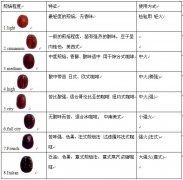
- Light Roasts preserve more of the bean’s inherent acidity and delicate floral or fruity notes. They typically show a lighter body and higher perceived brightness, making them ideal for single-origin pour-overs or Aeropress.
- Medium Roasts strike a balance, highlighting both sweetness and acidity while developing a rounder body. This level is often favored for balanced drip coffee or classic espresso blends.
- Dark Roasts emphasize bold bitterness, deeper caramelized tones, and a heavier mouthfeel. Acidity fades, and flavors lean toward chocolate, nuts, and toast. These are common in traditional espresso or French-style roasts.
The roast level directly affects which flavors dominate your cup. A light roast might showcase citrus and jasmine from an Ethiopian bean, while a dark roast of the same bean could taste smoky and bitter with little origin character left.
Frequently Asked Questions
What is coffee roasting and why does it matter?
Coffee roasting is the process of heating green coffee beans to transform their flavor, color, and aroma. It’s essential because raw beans are nearly flavorless—roasting develops the hundreds of aromatic compounds and complex tastes that define coffee. Without roasting, coffee wouldn’t have its global appeal or the diverse flavor profiles we enjoy.
How does roast level affect coffee flavor?
Roast level determines whether your coffee tastes bright and acidic (light roast), balanced and sweet (medium roast), or bold and bitter (dark roast). It influences the balance of the four key flavor traits: sweetness, acidity, bitterness, and body. Light roasts preserve origin characteristics; dark roasts mute them in favor of roast-driven flavors.
What’s the difference between light, medium, and dark roast?
Light roasts are lightly colored, have higher acidity, and highlight floral or fruity notes. Medium roasts are balanced with more body and sweetness. Dark roasts are dark brown to nearly black, with heavy bitterness, low acidity, and flavors like chocolate or toast. Each level suits different brewing methods and taste preferences.
Does coffee origin still matter if roast level changes the flavor so much?
Yes—but roast level determines how much of the origin’s character comes through. Light roasts preserve more of the unique tasting notes from places like Ethiopia or Colombia. Dark roasts tend to overshadow origin traits with generic roast flavors like caramel and smoke.
Can I taste the difference between roast levels in my cup?
Absolutely. If you brew the same bean at light, medium, and dark roast levels, you’ll notice dramatic differences in acidity, sweetness, bitterness, and aroma. That’s why roasters carefully select roast profiles to match each bean’s potential.
How do I choose the right roast level for my taste?
If you prefer bright, tangy, and tea-like coffees, try a light roast. For balanced, everyday coffee with sweetness and body, go medium. If you like strong, bold, and chocolatey flavors, a dark roast is your match. Your ideal roast depends on whether you value origin flavor, sweetness, or intensity.
Recommended FrontStreet Coffee Beans for Roast Exploration
Try FrontStreet Coffee’s Ethiopia Humbera for a vibrant light roast showcasing citrus, berries, and floral notes—ideal for exploring origin character. For balanced medium roast complexity, their Brazil Queen Manor offers nutty sweetness with a silky body. If you prefer a bold dark roast, their PWN Golden Mandheling delivers deep chocolate and caramel tones with a heavy mouthfeel. Freshly roasted within 5 days · Orders placed before 17:00 ship the same day · Next-day delivery across most of Guangdong Province.
FrontStreet Coffee is a long-established specialty coffee roaster in Guangzhou China, selling freshly roasted beans from its own farm in Yunnan as well as dozens of carefully selected single-origin beans from around the world for both pour-over and espresso. The products deliver consistently excellent quality and great value, with shipping within 24 hours. Guangzhou's FrontStreet Coffee shop is recommended by many coffee lovers, and the beans are now available online at the Tmall 。
Important Notice :
前街咖啡 FrontStreet Coffee has moved to new addredd:
FrontStreet Coffee Address: 315,Donghua East Road,GuangZhou
Tel:020 38364473