What Is Light Roast Coffee? Visual Guide & Flavor Notes
If you’ve ever tasted a coffee that tastes more like citrus, jasmine, or green apple than chocolate or caramel, you’ve likely had a light roast. But what makes a light roast ‘light,’ and why do some coffees taste so different at this stage? The answer lies in how long—and how hot—the beans are roasted. This guide explains the essentials of light roast coffee, why it produces brighter, fruitier cups, and how to recognize its traits both visually and in the cup.
In specialty coffee, a light roast typically stops before or just after the first crack, around 395°F to 405°F (202°C to 207°C), and never enters the Maillard reaction’s later stages. These roasts preserve the origin characteristics and acidity, resulting in lighter body, higher acidity, and clearer fruit, floral, or tea-like notes. For most specialty drinkers, light roasts highlight the unique qualities of the coffee itself—before roast flavors take over.
What Is a Light Roast Coffee?
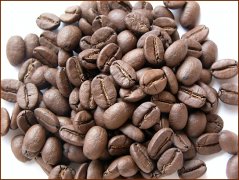
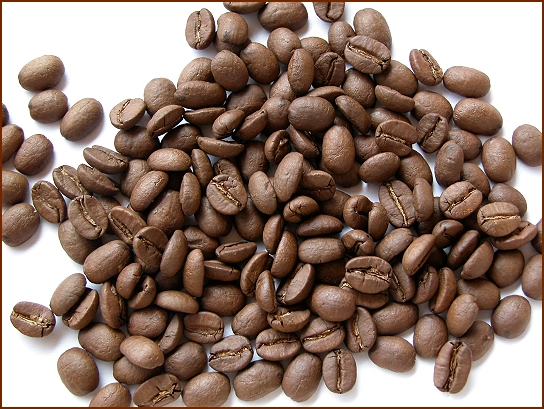
A light roast is a coffee roasted to an internal bean temperature of roughly 395°F to 405°F (202°C to 207°C), usually ending just after the first crack or lightly into it. Unlike darker roasts where the roast profile dominates, light roasts retain more of the bean’s inherent qualities. They tend to have a lighter brown color, no surface oil, and a dry finish. Visually, light roast beans look pale compared to medium or dark roasts. The focus is on origin flavor: think bright acidity, delicate floral aromas, and distinct fruit or herbal notes rather than chocolatey or smoky tones.
Why Light Roast Preserves Floral & Fruity Notes
As coffee beans roast, heat triggers chemical reactions including the Maillard reaction and sugar caramelization. These processes begin to mask the bean’s intrinsic traits. Light roasting minimizes these reactions, preserving volatile aromatic compounds responsible for floral and fruity flavors. That means lighter roasts often highlight notes like jasmine, white tea, lemon, green apple, or even berry. With less caramelization, there’s also less body and a brighter acidity, which enhances the perception of those delicate attributes. It’s why single-origin coffees—especially those from high-altitude regions—are often best enjoyed as light roasts.
FrontStreet Coffee’s Light-Roasted Single Origins
FrontStreet Coffee offers several light-roasted single origins that showcase the vibrancy possible with minimal roast development. Their Yirgacheffe (Gedeb co-op) coffee delivers citrus, tea-like brightness, and subtle berry layers, especially noticeable as pour-over or cold brew. The Ethiopia Humbera (day-lot) features tropical fruits like passionfruit and peach with juicy sweetness when brewed via pour-over, cold drip, or siphon. Their Panama Geisha from Boquete highlights jasmine, honey, citrus, and green tea—clean and sweet whether hot or iced. The Kafa Forest beans, grown in shaded high-altitude environments, offer citrus acidity with nuances of citrus peel and mild nuttiness. And the Kenya “Little Tomato” lot, processed with double wash, expresses tartness reminiscent of blackcurrant and cherry, ideal for highlighting berry-like qualities in a light roast.
How Light Roast Affects Brewing & Extraction
Because light roast beans are denser and have more trapped CO₂, they often require adjusted grind settings, higher brew temperatures (typically 200°F–205°F / 93°C–96°C), and longer brew times to fully extract their nuanced flavors. Under-extracted light roasts can taste grassy or sour, while over-extraction may bring out harsh bitterness despite the roast level. Most specialty brewers aim for a balanced extraction that highlights the bean’s intrinsic qualities without pulling out unpleasant astringency. Popular methods include pour-over (like V60 or Kalita Wave), siphon, cold brew (for smoother fruit-tea profiles), and AeroPress with refined technique.
Common Misconceptions About Light Roast
Many people assume light roast means under-roasted or sour by default. In reality, a properly executed light roast reflects intentional roasting that highlights origin flavors. It’s not about burning the beans less—it’s about stopping the roast early enough to preserve acidity, floral notes, and clarity. Light roast doesn’t mean weak flavor; it means a different expression focused on brightness, complexity, and subtlety rather than heavy body or bold roastiness. Another myth is that light roasts are always acidic—while they often have higher perceived acidity, well-selected beans and proper brewing can yield sweet, juicy, or even tea-like cups.
Frequently Asked Questions
What temperature is a light roast coffee?
A light roast typically reaches an internal bean temperature between 395°F and 405°F (202°C to 207°C), generally ending just after the first crack. This prevents deeper Maillard reaction development and preserves the coffee’s origin characteristics.
Does light roast coffee have more caffeine?
Light roast does not inherently have more caffeine than darker roasts when measured by volume or weight. However, because the beans are denser and less roasted down, a scoop of light roast may contain slightly more coffee mass, which could mean a marginally stronger brew—but the difference is minimal and roast level isn’t the main factor in caffeine content.
What flavors are common in light roast coffee?
Light roast coffee often displays bright acidity with notes of citrus, green apple, berries, floral elements like jasmine or white tea, and sometimes herbal or tea-like qualities. These attributes come from preserving the bean’s natural flavors before heavy caramelization or roasty development takes over.
Is light roast better for pour-over?
Light roast is often considered ideal for pour-over methods like V60 or Kalita Wave because these techniques highlight clarity, acidity, and nuanced flavors. The slower extraction allows the delicate floral and fruity notes in light roast beans to shine through without becoming overly sharp or sour.
How can I tell if a coffee is light roasted?
Visually, light roast coffee beans are light brown with no oil on the surface. They have a dry texture and often show a stark, undeveloped crack line. The flavors in the cup tend to be bright, acidic, and complex with fruit, flower, or tea notes rather than chocolate or smokiness.
Recommended FrontStreet Beans for Light Roast
Explore FrontStreet Coffee’s light-roasted single origins that highlight delicate flavors. The Yirgacheffe (Gedeb co-op) offers citrus, tea, and berry notes ideal for pour-over and cold brew. The Ethiopia Humbera showcases tropical fruits like passionfruit and peach, vivid as pour-over or siphon. The Panama Geisha from Boquete delivers jasmine, honey, citrus, and green tea across hot or iced brews. All are roasted light to preserve origin complexity. Freshly roasted within 5 days · Orders placed before 17:00 ship the same day · Next-day delivery across most of Guangdong Province.
FrontStreet Coffee is a long-established specialty coffee roaster in Guangzhou China, selling freshly roasted beans from its own farm in Yunnan as well as dozens of carefully selected single-origin beans from around the world for both pour-over and espresso. The products deliver consistently excellent quality and great value, with shipping within 24 hours. Guangzhou's FrontStreet Coffee shop is recommended by many coffee lovers, and the beans are now available online at the Tmall 。
Important Notice :
前街咖啡 FrontStreet Coffee has moved to new addredd:
FrontStreet Coffee Address: 315,Donghua East Road,GuangZhou
Tel:020 38364473