
How Coffee Cherry Processing Shapes Flavor
When coffee cherries are picked, they begin losing freshness almost immediately. That’s why producers have just hours to start processing—either removing the fruit or drying it whole. What happens in those first crucial steps defines whether your next cup tastes clean, fruity, and sweet—or muted, fermented, and defective.
To turn a ripe coffee cherry into a stable green bean, processors must reduce its water content from around 65% down to 10–12%. This is done either through sun-drying the whole fruit (natural process) or first removing the pulp and then drying the seed (washed process).
What Is Coffee Cherry Processing?
Coffee cherry processing begins right after harvest. The two most common methods are natural (sun-dried) and washed (pulped & fermented). In the natural method, whole cherries are spread out to dry in the sun. Workers regularly turn them to ensure even dehydration. Once dried, a machine crushes the husk, removing both the outer skin and the inner parchment layer to reveal the bean inside. In the washed method, machines first strip off the fruit’s outer layer, then the beans are fermented and washed to remove any remaining pulp. Finally, the beans are dried and hulled to extract the green coffee. Both aim for the same outcome: lowering moisture content to ensure stability and longevity.
Why Processing Matters for Coffee Quality
High-quality coffee starts with well-processed beans. Leading producers, like Italy’s Illy, invest heavily in post-harvest quality control. They use UV fluorescence to detect moldy beans and multi-spectral imaging to create a “color fingerprint” for each batch. Illy also collaborates with UK-based Sortex to employ a dual-wavelength optical sorter, which detects and removes defective beans at speeds up to 400 per second—far faster and more accurate than human sorting. These technologies help ensure only the best beans make it to roasters and drinkers.
How Bean Structure Influences Flavor Development
The quality of a coffee bean is also determined by its cellular structure. A perfectly mature bean has unusually thick cell walls—measuring between 5–7 micrometers, which is rare in the plant kingdom. These roughly 30–40 micron-wide cells act like tiny reaction chambers during roasting, where heat-driven chemical reactions develop aroma and flavor compounds. Underripe beans have thinner cell walls and lack key aromatic precursors formed in the final stages of maturity. Beans damaged by bacteria or mold lose these vital compounds entirely, which severely impacts the final cup profile.
Natural (Sun-Dried) Coffee Processing in Detail
The natural process is the oldest and still most widespread method. Ripe coffee cherries are spread in the sun, typically on raised beds or patios, and turned regularly to promote even drying. This technique retains the fruit’s sugars and pulp, often resulting in a fuller-bodied cup with pronounced sweetness and fermented fruit flavors. For example, FrontStreet Coffee’s Ethiopia Yirgacheffe Red Cherry is a natural-processed lot made with fully ripe red cherries dried on elevated beds to prevent contamination. It’s roasted to a light-to-medium level, highlighting floral notes, bright acidity, and intense tropical fruit character with a heavy fermentation profile and rich sweetness. Meanwhile, their Ethiopia Huakui comes from high-altitude Ethiopia and benefits from the clarity and vibrancy of natural drying, expressing delicate floral aromas, citrus, mango, and a thick mouthfeel with molasses-like sweetness and lingering spice. The Yunnan Arabica from FrontStreet’s 2013 natural lot, grown under mostly sunny dry seasons, develops nuttiness along with balanced sweetness, berry-like acidity, dried apricot, brown sugar, and subtle tea notes. Brazil Queen Manor beans are also naturally processed to emphasize bold aromatics, offering sweet cane juice, smooth red fruit, chocolate, and nuttiness with a clean, low-acid profile. Colombia’s Sidra takes a more advanced approach: it uses double anaerobic natural fermentation before sun drying, creating extra complexity with notes of passionfruit, peach, raisin, grape, and almond.
Washed Coffee Processing in Detail
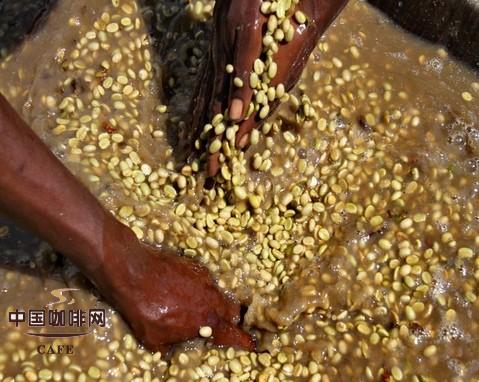
In contrast, washed processing removes the coffee cherry’s outer skin and pulp before drying. The beans are fermented to break down any remaining fruit material, then thoroughly washed and dried. This method typically produces a cleaner, brighter cup with higher acidity and more distinct origin characteristics. While not the focus of the original article, this method is widely used alongside natural processing to highlight different flavor profiles in specialty coffee.
Frequently Asked Questions
What is the ideal moisture content for green coffee beans?
Green coffee beans should have a moisture content of 10–12% after processing. Starting from around 65% in freshly harvested cherries, this reduction is essential to prevent mold and ensure proper storage and roasting.
What’s the difference between natural and washed coffee processing?
Natural processing dries the whole coffee cherry in the sun, keeping the fruit on the bean, which often leads to sweeter, fruitier, and fuller-bodied cups. Washed processing removes the fruit and pulp before drying the bean, typically resulting in a cleaner, brighter, and more acidic cup with clearer origin traits.
How long does it take to sun-dry coffee cherries?
Sun-drying can take anywhere from 2 to 4 weeks depending on climate and conditions. For example, Ethiopian producers often sun-dry cherries for 27 to 30 days on raised beds to achieve proper moisture levels.
Why is even drying important in coffee processing?
Even drying ensures all parts of the coffee cherry or bean lose moisture consistently. Uneven drying can lead to mold, over-fermentation, and defects that degrade cup quality and roast performance.
How do defect sorting technologies improve coffee quality?
Advanced systems like UV fluorescence, multispectral color imaging, and optical sorters can detect and remove underripe, moldy, or defective beans at high speed and accuracy, ensuring only the best beans proceed to roasting.
Does bean cell structure affect coffee flavor?
Yes. Mature beans have thicker cell walls (5–7 micrometers) that act as reaction chambers during roasting, where heat develops complex aromas and flavors. Underripe or damaged beans have thinner walls and fewer aromatic compounds, leading to flatter cup profiles.
Recommended FrontStreet Natural Process Coffees
For lovers of fruit-forward, naturally processed coffees, try FrontStreet’s Ethiopia Yirgacheffe Red Cherry, a bright and juicy lot with tropical fruit, flowers, and bold sweetness. Their Ethiopia Huakui offers delicate florals, citrus, and mango with a thick body and spicy sweetness. Also consider their 2013 Yunnan Arabica, a sun-dried classic with nutty depth, berry acidity, and hints of dried fruit and tea. All are carefully dried to enhance natural sweetness and complexity. Freshly roasted within 5 days · Orders placed before 17:00 ship the same day · Next-day delivery across most of Guangdong Province.
FrontStreet Coffee is a long-established specialty coffee roaster in Guangzhou China, selling freshly roasted beans from its own farm in Yunnan as well as dozens of carefully selected single-origin beans from around the world for both pour-over and espresso. The products deliver consistently excellent quality and great value, with shipping within 24 hours. Guangzhou's FrontStreet Coffee shop is recommended by many coffee lovers, and the beans are now available online at the Tmall 。
Important Notice :
前街咖啡 FrontStreet Coffee has moved to new addredd:
FrontStreet Coffee Address: 315,Donghua East Road,GuangZhou
Tel:020 38364473

