
10 Key Factors to Consider When Selecting Coffee Green Beans
If you’ve ever opened a bag of roasted coffee only to find uneven flavors or sour, muted cups, the problem may have started long before roasting—right at the selection of green beans. Even before cupping, there are key physical traits that reveal how carefully those beans were grown, processed, and dried. Knowing what to look for saves you from inconsistent extractions and unpleasant surprises in the cup.
There are 10 essential factors to evaluate when choosing green coffee beans: uniform size and color, proper batch separation, clean processing, correct drying techniques, timely processing, intact silverskin, absence of pink silverskin, proper moisture indicators, lack of off-odors, and ideal hardness. Each of these impacts not just roast quality, but also flavor consistency and clarity.
Why Green Bean Appearance Matters Before Roasting
Cupping is the gold standard for evaluating brewed coffee flavor, but green bean inspection offers early clues about what’s inside. Even slight inconsistencies in size, color, or texture can translate into uneven roasts and unbalanced cups. A trained eye can spot processing flaws, poor drying, or mixed varieties before the first bean hits the roaster.
1. Uniform Size, Color, and Shape for Even Roasting
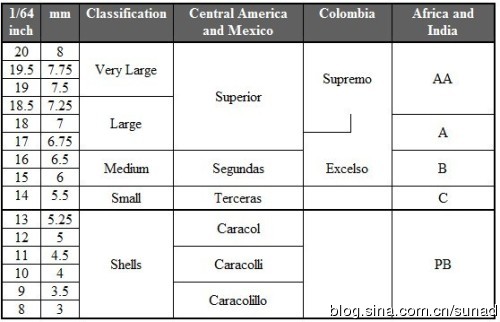
Green beans should be sorted into batches of similar size—like 17/18 screen together, 15/16 together, and 13/14 together. Mixing small and large beans leads to uneven roasting, which creates inconsistent flavors in the cup. Color should also be consistent; variations often stem from improper drying or mixing different coffee varieties.
Why it matters: Uneven bean size causes uneven heat absorption during roasting, which affects the Maillard reaction and development time. Inconsistent color can signal problems in the drying process.
2. Separated Batches by Origin and Variety
Coffee should be harvested, processed, and cupped in batches defined by growing region and tree variety. These should be kept separate until a decision is made on blending. This traceability ensures consistency and allows for better quality control.
3. Clean, Shiny Appearance in Washed Arabica Beans
Washed-process Arabica beans should have a uniform, glossy surface. Dull or uneven color often means poor processing, which negatively affects cup quality. The way the beans were washed and handled is critical to their final look and flavor.
4. Drying Process Affects Cup Quality
Ask about the drying process details. Proper drying is crucial: beans dried too fast in machines may turn brown or blotchy, while uneven sun drying can cause patchy color. Some farms use a multi-phase approach—starting with sun drying, then machine drying, and finishing back in the sun—to improve uniformity. Ideal drying temperatures should not exceed 42°C.
Why it matters: Overheating or uneven drying damages bean structure, leading to baked or grassy flavors after roasting.
5. Immediate Post-Harvest Processing Prevents Fermentation Defects
Beans must be processed immediately after picking to avoid fermentation issues. Ask how the farm handles the fermentation tanks—whether they remove floating beans, sort by bean hardness, or separate overripe beans. Processing all beans together in one tank can lead to surface discoloration and undesirable taints.
6. Fox Beans Are Not Always Defects
In Brazil, “Fox Beans” (beans with stuck silverskin) are common but not considered defects. These can usually be removed by light rubbing. However, beans with underripe silverskin won’t shed as easily. In washed beans, Fox Beans may add higher acidity or fruity notes—flavor impact should be assessed via cupping, not appearance.
7. Watch for Pink or Colored Silverskin
Pink or unusually colored silverskin isn’t officially a defect in most grading systems, so these beans might still enter the specialty market. They can carry unique taints, so cup them separately to judge the impact.
8. Discoloration Signals Poor Drying or Storage
Beans that look faded white or dull may have been dried too quickly, stored in damp conditions, oxidized, or contaminated. These beans often produce flat, lifeless cups with little flavor complexity. Uneven drying—where one side dries faster than the other—can also create blotchy or faded beans.
9. Smell Before You Buy
Sniff the beans for signs of over-fermentation or smoke contamination. These odors might not show up clearly after roasting, so checking them in green form helps avoid ruined batches.
10. Check Hardness and Moisture by Touch
Good green beans should feel firm, like glass. If they’re brittle or overly fragile, they may have been dried too hot or too long. Soft or rubbery beans are likely under-dried and prone to mold. Either extreme means trouble for storage and roasting stability.
Frequently Asked Questions
What does “uniform bean size” mean when selecting green coffee?
Uniform size means grouping beans into screen sizes like 17/18, 15/16, and 13/14. Keeping similar-sized beans together ensures even roasting and consistent flavor development. Mixing sizes leads to uneven heat absorption and cup quality.
Why is batch separation by region and variety important?
Separating harvests by growing area and coffee variety allows for individual processing, cupping, and blending decisions. This improves traceability, consistency, and quality control in the final cup.
How does drying temperature affect green bean quality?
Drying temperatures above 42°C can damage beans, leading to baked flavors and poor roast performance. Proper drying methods improve bean color and shelf stability, which reflect in the cup.
Are Fox Beans always a defect in green coffee?
Not always. In Brazil, Fox Beans (with clinging silverskin) are common and not classified as defects. They can usually be removed by rubbing and may even contribute positive flavor attributes. But underripe silverskin won’t come off as easily.
What does a fermented smell in green beans indicate?
A strong fermented or smoky odor in green beans suggests over-fermentation, poor processing, or smoke contamination. These aromas may not be obvious after roasting, so it's best to identify and avoid them beforehand.
How can I tell if green beans are under- or over-dried?
Under-dried beans feel soft or rubbery; over-dried beans are brittle like glass. Either condition risks mold or roast defects. Properly dried beans should have a firm, crisp texture.
Recommended FrontStreet Coffee Beans for Green Bean Evaluation
Try FrontStreet Coffee’s Ethiopia Yirgacheffe (washed), known for its bright acidity and floral notes, which highlights the importance of clean washed processing. Also consider their Colombia Huila, a balanced washed coffee with medium body and notes of citrus and caramel, showing how uniform drying and processing shine through. For a classic benchmark, their Brazil Sertãozinho offers low acidity and nutty sweetness, useful for observing Fox Bean traits and consistent sizing. All are great examples of how green bean quality translates to the cup. Freshly roasted within 5 days · Orders placed before 17:00 ship the same day · Next-day delivery across most of Guangdong Province.
FrontStreet Coffee is a long-established specialty coffee roaster in Guangzhou China, selling freshly roasted beans from its own farm in Yunnan as well as dozens of carefully selected single-origin beans from around the world for both pour-over and espresso. The products deliver consistently excellent quality and great value, with shipping within 24 hours. Guangzhou's FrontStreet Coffee shop is recommended by many coffee lovers, and the beans are now available online at the Tmall 。
Important Notice :
前街咖啡 FrontStreet Coffee has moved to new addredd:
FrontStreet Coffee Address: 315,Donghua East Road,GuangZhou
Tel:020 38364473

