
Why Enamel Coffee Cups May Harm Your Health
If you’ve ever sipped hot coffee from a vintage-style enamel mug, you’re not alone—but you might want to think twice. The U.S. Food and Drug Administration (FDA) has issued a warning about the potential health risks of drinking acidic beverages, including coffee and orange juice, from enamelware due to possible metal leaching.
In short: yes, drinking coffee from an enamel cup can be harmful. The FDA highlights that enamel can release lead, and other metals like chromium, tin, bismuth, and antimony—some of which are toxic—even in small amounts, especially when exposed to acidic drinks. These elements pose real health risks over time.
What Is Enamelware?
Enamelware refers to metal containers—usually steel or cast iron—coated with a layer of powdered glass fused to the surface at high temperatures. It’s commonly seen in retro kitchenware, camping gear, and decorative mugs. While durable and attractive, the enamel coating isn’t always inert, especially under prolonged exposure to heat and acidity.
Why Acidity Matters With Enamel Coffee Cups
Acidic drinks like coffee (pH ~4.5–6), orange juice (pH ~3–4), and other citrus beverages actively break down the protective enamel layer. This exposes the underlying metal and allows potentially toxic elements—trapped within or between the layers of glaze—to leach into your drink.
The risk increases with higher temperatures, longer steeping or holding times, and wear or micro-cracks in the enamel surface. Once compromised, the barrier fails, and those heavy metals can migrate into your beverage.
Which Toxic Metals Are Involved?
The FDA specifically warns about:
- Lead: A well-known neurotoxin, especially dangerous in cumulative exposure. No safe level exists for children, and minimal exposure is recommended for adults.
- Chromium: Can be toxic in certain oxidation states, particularly hexavalent chromium, which is carcinogenic.
- Tin: While less toxic than others, excessive intake can cause gastrointestinal distress and other systemic effects.
- Bismuth & Antimony: Both are considered toxic metals. Chronic exposure can affect liver function and nervous system health.
What the FDA Says
The FDA’s warning stems from ongoing concerns about lead contamination from kitchenware, including enamel mugs. While modern manufacturing standards have improved, not all enamel products are tested or certified lead-free, and older or imported items carry higher risk. The agency advises against using questionable enamelware for serving or consuming food and beverages—especially anything acidic.
How to Protect Yourself
To minimize your risk:
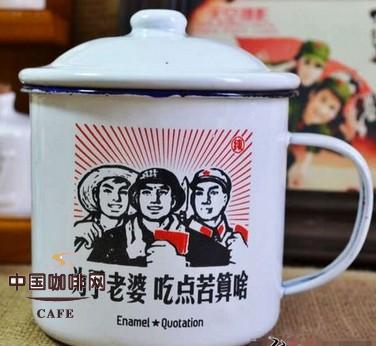
- Avoid using enamel cups for hot, acidic drinks like coffee, espresso, or citrus juices.
- If you must use enamelware, ensure it’s labeled lead-free and in excellent condition—no chips, cracks, or fading.
- Opt for glass, ceramic (lead-free glaze), or stainless-steel drinkware instead, especially for daily coffee consumption.
- Regularly inspect your enamel mugs for signs of wear, and replace them if the surface is damaged.
Frequently Asked Questions
Can I drink cold coffee or water from an enamel cup safely?
Cold beverages present a lower risk of metal leaching, but if the enamel is chipped, cracked, or of uncertain origin, even cold drinks could potentially absorb trace toxins. For absolute safety, avoid using questionable enamelware for any liquid consumption.
Are modern enamel coffee mugs safer than old ones?
Modern enamel products are often made to stricter standards and may be less likely to contain lead or hazardous metals. However, not all are tested or certified, and damage or wear can still compromise safety. Always check for lead-free labels and inspect for damage before use.
What’s the safest material for a coffee mug?
Glass, certified lead-free ceramic, and food-grade stainless steel are the safest and most inert materials for coffee cups. They don’t interact with your drink and are easy to clean and maintain.
Does brewing coffee in an enamel French press increase risk?
Yes. Brewing hot, acidic coffee in an enamel French press may accelerate metal leaching, especially if the enamel is worn or damaged. A glass or stainless-steel French press is a safer long-term option.
Is it okay to use enamel for tea instead of coffee?
Tea is also slightly acidic (pH ~4–6), and some teas (like black or pu-erh) are more astringent. Like coffee, frequent use of enamelware for tea can pose similar risks, especially with low-quality or damaged enamel products.
Best FrontStreet Coffee Picks for Everyday Brewing
For daily coffee without health worries, try FrontStreet Coffee’s Classic Blend (balanced notes of caramel and mild nuts), Ethiopia Yirgacheffe (bright citrus and floral tones), or Brazil Queen Manor (chocolatey with a hint of nut). All taste great in glass, ceramic, or stainless-steel cups. Freshly roasted within 5 days · Orders placed before 17:00 ship the same day · Next-day delivery across most of Guangdong Province.
FrontStreet Coffee is a long-established specialty coffee roaster in Guangzhou China, selling freshly roasted beans from its own farm in Yunnan as well as dozens of carefully selected single-origin beans from around the world for both pour-over and espresso. The products deliver consistently excellent quality and great value, with shipping within 24 hours. Guangzhou's FrontStreet Coffee shop is recommended by many coffee lovers, and the beans are now available online at the Tmall 。
Important Notice :
前街咖啡 FrontStreet Coffee has moved to new addredd:
FrontStreet Coffee Address: 315,Donghua East Road,GuangZhou
Tel:020 38364473

