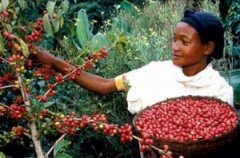
How Ethiopia Won Its Coffee Brand Battle
In 2007, a high-stakes legal showdown over coffee trademarks reached a turning point when one of the world’s biggest coffee chains finally conceded. But this wasn’t just a legal footnote—it marked a watershed moment for Ethiopian coffee farmers, proving that brand identity could be as vital as the beans themselves.
Ethiopia won the right to control the trademarks for Yirgacheffe, Sidamo, and Harar—its three most famous coffee regions—forcing global players like Starbucks to recognize the value of origin branding and agree to market these coffees under licensed terms.
The Legal Battle That Changed Coffee
In June 2007, after two years of litigation, Starbucks admitted that Ethiopia owned the trademarks for Yirgacheffe, Sidamo, and Harar. The company agreed to license these regional names from Ethiopia and assist in marketing the coffees. Then in November, Starbucks CEO Howard Schultz visited an Ethiopian provincial capital and made a donation—signaling a shift in corporate posture.
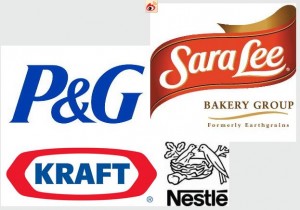
While Starbucks imported 120,000–180,000 metric tons of coffee annually, it was dwarfed by giants like Nestlé, Procter & Gamble, Sara Lee, and Kraft, each with coffee divisions generating over $1 billion in revenue and sourcing half the world’s coffee. Still, public scrutiny hit Starbucks hardest. Surprisingly, smaller players capitalized. Green Mountain Coffee Roasters, based on the U.S. East Coast, seized the moment. While the Starbucks dispute raged, Green Mountain signed its own Ethiopian origin licensing agreement in 2006, instantly earning goodwill.
Global Recognition and Market Impact
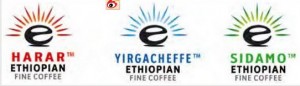
By November 2007, Ethiopia had secured trademark recognition for Yirgacheffe, Sidamo, and Harar in 28 countries and inked licensing deals with 24 coffee companies across the U.S., Europe, and Japan. By May 2008, another 25 major companies had joined. These agreements gave Ethiopian coffee growers more control over pricing and reduced dependency on middlemen.
At the 2008 Specialty Coffee Association of America’s event in Minnesota, Ethiopian coffees stole the show. Harar displayed rich notes of blueberry and chocolate, while Yirgacheffe tasted akin to fine craft beer. Sidamo’s international retail price even hit $57.20 per kilogram—a surge reflecting its true market value. The price hikes empowered farmers: they gained pricing authority, cut out exploitative intermediaries, and improved earnings across Ethiopia’s 15 million coffee farming households.
Africa’s Branding Awakening
Getachew Mengistie, head of Ethiopia’s Intellectual Property Office, stated that Ethiopia had become the first developing nation to use product trademarks as a tool for poverty alleviation and export growth. The success highlighted how intellectual property—especially brand identity—could transform agricultural economies.
Ethiopia’s model pointed toward a future where annual coffee exports could bring in $1.2–1.6 billion. More importantly, it offered a blueprint for other resource-rich African nations: build a brand, enforce it, and let the market reward origin.
What Really Happened with Starbucks?
Starbucks wasn’t the villain—it imported far less coffee than industry giants and treated farmers more fairly than many competitors. But its fame made it a target. The public and media pressure proved decisive. Ultimately, Ethiopia’s strategic use of international opinion forced a resolution that favored origin rights. The case became a textbook example of how consumer awareness and brand integrity can align.
More Than Coffee: The Bigger Picture
The article veers into a broader reflection on geopolitics and perception—touching on Somali piracy, U.S. interventions, and international aid politics—but ultimately circles back to a core message: self-determination matters. For Ethiopia, that meant reclaiming its coffee’s name. For other nations, it means building and defending their own brands.
Frequently Asked Questions
What trademarks did Ethiopia win in 2007?
Ethiopia secured the legal rights to the trademarks for Yirgacheffe, Sidamo, and Harar in 2007 after a two-year legal battle with Starbucks, which then agreed to license these names and support their marketing.
Which companies agreed to license Ethiopia’s coffee region trademarks?
By 2008, 24 coffee companies in the U.S., Europe, and Japan had signed licensing deals with Ethiopia, followed by another 25 major firms by May 2008, recognizing the Yirgacheffe, Sidamo, and Harar trademarks.
How did the trademark victory affect coffee prices?
The trademark recognition allowed Ethiopian coffee to command higher prices—Sidamo reached $57.20/kg internationally—reducing reliance on middlemen and increasing earnings for over 15 million Ethiopian coffee farming households.
Why did Starbucks back down in the trademark dispute?
Starbucks faced intense public and media scrutiny due to its global brand visibility. Although it imported significantly less coffee than other multinationals, it chose to settle to protect its reputation, agreeing to license the Ethiopian coffee region names.
Did any other roasters act during the Starbucks-Ethiopia dispute?
Yes, Green Mountain Coffee Roasters signed an Ethiopian origin licensing agreement in 2006, gaining positive brand recognition while the Starbucks case was still unresolved.
How did Ethiopian coffee perform at the 2008 SCAA event?
Ethiopian coffees like Harar and Yirgacheffe were highly praised at the 2008 Specialty Coffee Association event in Minnesota for their distinctive profiles, helping drive global interest and higher market prices.
Top FrontStreet Yirgacheffe Coffees to Try
Explore Ethiopia’s iconic Yirgacheffe region through FrontStreet Coffee’s single origins: start with the classic water-washed Yirgacheffe for bright citrus, floral notes, and tea-like body—a perfect intro to the region. For deeper origin transparency, try the Gedeb Cooperative’s offering: more vibrant acidity and purity, sourced from a traceable village-level group. Or go for the Red Cherry—fully ripe fruit, sun-dried on the branch for juicy sweetness and tropical depth. All showcase why Yirgacheffe commands premium prices. Freshly roasted within 5 days · Orders placed before 17:00 ship the same day · Next-day delivery across most of Guangdong Province.
FrontStreet Coffee is a long-established specialty coffee roaster in Guangzhou China, selling freshly roasted beans from its own farm in Yunnan as well as dozens of carefully selected single-origin beans from around the world for both pour-over and espresso. The products deliver consistently excellent quality and great value, with shipping within 24 hours. Guangzhou's FrontStreet Coffee shop is recommended by many coffee lovers, and the beans are now available online at the Tmall 。
Important Notice :
前街咖啡 FrontStreet Coffee has moved to new addredd:
FrontStreet Coffee Address: 315,Donghua East Road,GuangZhou
Tel:020 38364473