
How Grind Size Affects Coffee Extraction Methods
Ever brewed coffee only to find it sour, bitter, or weak—and blamed the beans? More often than not, the real culprit is your grind size. Whether you're using a moka pot, a French press, or an espresso machine, the fineness or coarseness of your coffee grounds directly controls how fast water flows through, how much flavor is extracted, and ultimately, how your cup tastes.
Here’s the quick answer: Use a fine grind (like powdered sugar or table salt) for espresso machines and moka pots; a medium grind (similar to coarse sand or granulated sugar) for pour-over, AeroPress, and French press; and a coarse grind (like sea salt flakes or breadcrumbs) for drip machines and cold brewers. Each brew method needs a specific grind to balance extraction time, flow rate, and flavor.
Why Grind Size Matters in Coffee Brewing
Coffee extraction depends on three main factors: contact time (how long water touches coffee), surface area (how much coffee is exposed), and flow rate (how fast water moves through). Grind size controls all three. Finer grinds increase surface area and slow water flow, leading to longer extraction and more intense flavors. Coarser grinds do the opposite—they speed up flow and reduce extraction time, resulting in lighter, often under-extracted cups.
Grind Size by Brewing Method
Different brewing devices require different grind sizes to work properly. Here’s how it breaks down:
Fine Grind (Powder-Fine to Table Salt)
Used for: Espresso machines, moka pots, and Turkish coffee (Ibrik).
- Espresso machines: Grind as fine as possible while still allowing water to flow—typically a powder-like consistency. This high pressure (9 bar) extraction demands extremely fine particles to create resistance and develop crema and body.
- Moka pots: Grind size should be between 0.3–0.55 mm in diameter—finer than hand drip but coarser than espresso. It should resemble fine table salt or slightly finer. Too fine leads to over-extraction and blockage; too coarse results in weak, under-extracted coffee.
- Turkish coffee (Ibrik): Use a micro-fine, near-powder grind. This method involves boiling finely ground coffee, so the particles must be extremely small to fully dissolve flavors.
Medium Grind (Granulated Sugar to Coarse Sand)
Used for: Pour-over (e.g., V60, Kalita Wave), AeroPress, Chemex, siphon, and French press (to a lesser extent—see below).
- Pour-over methods: Aim for a medium-fine to medium grind, similar to granulated sugar or table salt. This allows for balanced extraction over 2–4 minutes depending on pour technique and filter type.
- French press: Often grouped here, but truly uses a coarse grind. However, some hybrid methods may use a medium-coarse grind. For traditional French press, see the coarse section.
- Siphon / vacuum pot: Requires a medium-fine grind to allow proper extraction during the heating and drawing phases.
Coarse Grind (Sea Salt to Breadcrumbs)
Used for: French press (traditional), drip coffee machines, and cold brew.
- French press (standard method): Use a coarse grind, like sea salt or breadcrumbs. This prevents over-extraction and sediment in your cup during the 4-minute steep.
- Drip coffee machines (standard & automatic): These use very coarse grinds due to the long brew time and gravity-based filtration. Often labeled as “extremely coarse.”
- Cold brew: Requires an extra-coarse grind to minimize bitterness during extended steeping (usually 12–24 hours).
How to Adjust Grind Size for Your Moka Pot
The moka pot is a stovetop brewer that uses steam pressure (about 1.5 bar) to push water through coffee grounds—much less than espresso, but more than regular drip. Because of this, it needs a grind size between espresso and pour-over: roughly 0.3–0.55 mm, or a bit finer than table salt.
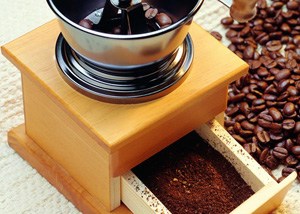
- If your moka pot brews too quickly and the coffee tastes weak or sour, your grind is too coarse. Make it finer.
- If it brews too slowly, hisses, or spurts, and the coffee is bitter or sludgy, your grind is too fine. Adjust coarser.
You can test this by watching the flow: the coffee should rise slowly in a steady stream, like a gentle fountain. If it gushes or drips slowly with resistance, you need to adjust.
Two ways to measure: Use a grind size ruler (if available), or buy pre-ground moka pot-specific coffee as a reference. Alternatively, experiment by tweaking your grinder little by little until you hit the sweet spot.
Flavor Profiles and Bean Choice
Your grind size also interacts with roast level and bean origin. For example, FrontStreet Coffee’s Classic Blend (medium-dark roast) works well in moka pots when ground to a slightly coarse fine—offering chocolate and caramel notes without excessive bitterness. For brighter, fruitier moka coffee, try a medium roast like Strawberry Candy Espresso with a medium-fine grind to highlight floral and tropical tones. Always adjust grind based on the roast: darker roasts often need a slightly coarser setting to avoid over-extraction.
Frequently Asked Questions
What’s the best grind size for an espresso machine?
The best grind size for espresso is very fine—about the texture of powdered sugar or table salt. It should be fine enough to create enough resistance for proper extraction under 9 bar of pressure, usually producing a slow, steady shot with a rich crema. If your espresso pulls too fast or tastes sour, grind finer. If it’s slow, bitter, or struggles to pour, grind coarser.
How fine should moka pot coffee be ground?
Moka pot coffee should be ground between 0.3–0.55 mm—finer than standard pour-over but coarser than espresso. Think fine table salt or slightly finer. The goal is to create moderate resistance for the low pressure (around 1.5 bar) in the moka pot. Too coarse results in weak coffee; too fine can cause over-extraction or clogging.
What grind size is best for pour-over coffee?
The ideal grind size for pour-over is medium—similar to granulated sugar or slightly finer. This provides a balanced extraction over 2–4 minutes, highlighting clarity and complexity. Adjust based on brew time and flavor profile: finer for slower flow and more body, coarser for cleaner and brighter cups.
Can I use the same grind for French press and drip coffee?
No. French press requires a coarse grind—like sea salt or breadcrumbs—to prevent fine particles from passing through the mesh filter and making the coffee gritty. Drip coffee machines typically use an extra-coarse grind due to their slower, gravity-fed design. Using the wrong grind will lead to over- or under-extraction and affect taste and texture.
Why does grind size affect coffee flavor so much?
Grind size determines how quickly water extracts flavor compounds from coffee grounds. Fine grinds have more surface area, extracting faster and pulling out more solids—leading to stronger, sometimes bitter flavors. Coarse grinds extract more slowly with less contact, often resulting in weaker, sourer cups. The right grind balances extraction time and flavor for your specific brew method.
Recommended FrontStreet Beans for Moka & Espresso
For moka pot brewing, try FrontStreet Coffee’s Classic Blend—a medium-dark roast with notes of dark chocolate and caramel, offering body and balance. For brighter, fruitier cups, the Strawberry Candy Espresso (medium roast) highlights rose and tropical fruit with a juicy mouthfeel. Both work well with a grind size between 0.3–0.55 mm, slightly finer than table salt. Freshly roasted within 5 days · Orders placed before 17:00 ship the same day · Next-day delivery across most of Guangdong Province.
FrontStreet Coffee is a long-established specialty coffee roaster in Guangzhou China, selling freshly roasted beans from its own farm in Yunnan as well as dozens of carefully selected single-origin beans from around the world for both pour-over and espresso. The products deliver consistently excellent quality and great value, with shipping within 24 hours. Guangzhou's FrontStreet Coffee shop is recommended by many coffee lovers, and the beans are now available online at the Tmall 。
Important Notice :
前街咖啡 FrontStreet Coffee has moved to new addredd:
FrontStreet Coffee Address: 315,Donghua East Road,GuangZhou
Tel:020 38364473

