
How to Identify Coffee Roast Levels Using SCAA Standards
Ever stared at a bag of coffee beans and wondered if 'city roast' means light or medium? Or whether your favorite 'French roast' is actually the same as someone else’s 'dark roast'? You're not alone. Roast level labels vary wildly between countries, roasters, and even machines—but there is a standardized way to identify them.
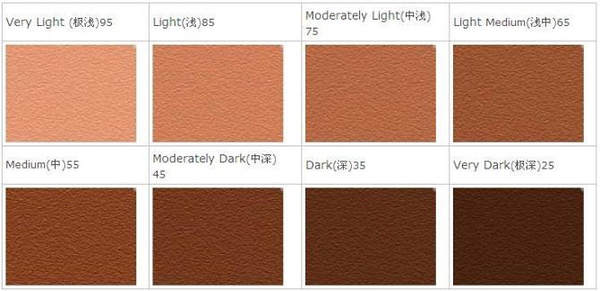
The Specialty Coffee Association of America (SCAA) developed an eight-level roast classification system based on bean color, measured using infrared caramelization detection technology (Agtron). This system divides roast levels into eight distinct color blocks, from lightest to darkest, providing a universal visual reference for roasters worldwide.
What Is the SCAA Roast Color Standard?
The SCAA roast standard uses Agtron readings—measurements of bean surface color via infrared spectroscopy—to define eight roast levels. These levels are represented by eight standardized color blocks, arranged from lightest (light roast) to darkest (dark roast). The color blocks serve as a visual benchmark for roasters to consistently determine and communicate roast degree.
This system was among the first formal attempts to standardize roast levels across the global coffee industry. Though originally intended as an objective measure, differences in regional taste preferences have led to alternate naming conventions—like 'Italian roast' or 'French roast'—which often overlap with SCAA’s technical scale.
How Roast Level Is Traditionally Determined by Sound and Time
In many coffee-roasting traditions—especially in Taiwan and parts of East Asia—roasters rely heavily on the timing of the bean’s “first” and “second” cracks (audible pyrolysis events) to judge roast level. These audible cues, combined with roast duration, offer a practical, sensory-based method for determining roast depth.
| Roast Level | Drop (End) Time During Roast |
|---|---|
| Light Roast (Light) | First crack, dense phase |
| Medium / City Roast | Between first and second crack |
| Full City Roast (Dark City) | Start of second crack |
| Italian / French Roast | After second crack |
These stages reflect not just color changes but major internal transformations: moisture loss (15–25%), expansion in bean size, and the development of sugars, acids, and aromatic oils. The first crack usually occurs around 5–7 minutes into the roast, when beans turn from green to yellowish-orange and begin releasing a toasty, vegetable-like aroma. The second crack, occurring roughly between 12–16 minutes, signals a deeper transformation with more oil surfacing and increased body.
What Happens During Coffee Roasting?
Roasting is where green coffee beans transform into the complex, flavorful products we brew. Through sustained exposure to high heat (up to 450°F / 232°C), chemical reactions—like the Maillard reaction and caramelization—develop the bean’s sugar, acid, and aromatic profiles. This process typically lasts 12–16 minutes and reduces bean weight by 15–25% due to moisture loss.
Early in the roast (before first crack), beans lose chlorogenic acids, which can contribute to perceived bitterness. As roasting continues, desirable acids like citric, malic, and acetic acids emerge, contributing brightness and complexity—especially noticeable in lighter roasts. Over-roasting, however, tends to mute these nuances.
Here’s how flavor and physical traits evolve by roast stage:
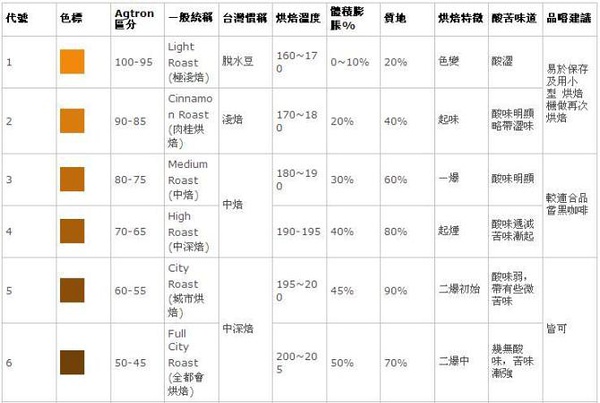
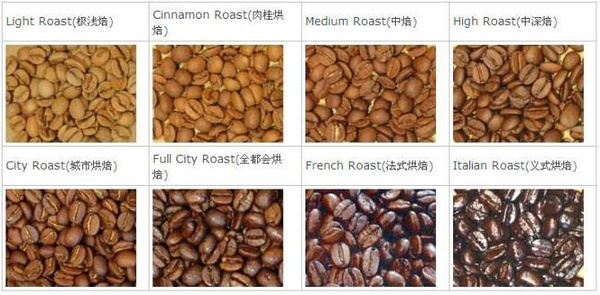
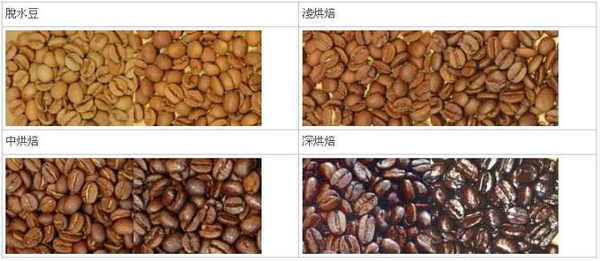
- Light Roast (e.g., Cinnamon Roast / Half-City): Ends at or just after first crack. Colors range from light brown to cinnamon. Acidity dominates flavor; body and sweetness are underdeveloped. Common in mass-market or pre-ground coffee.
- Medium Roast (City / Breakfast Roast): Reached midway between first and second crack (around 10–11 minutes). Beans turn a balanced brown. Retains origin characteristics while developing mild sweetness. Popular for single origins like Colombia or Brazil, often used in classic American diner coffee.
- Full City Roast (Dark City): Begins at the onset of second crack (around 12–16 minutes). Beans are rich brown with slight oil sheen. Considered by many to achieve the ideal balance of acidity, sweetness, and bitterness. Highlights the bean’s inherent profile.
- Italian / French Roast: Roasted well into or after the second crack. Beans are dark brown to nearly black, with shiny surfaces from oils. Heavy body, low acidity, and bold bitterness make these ideal for espresso. Also results in further reduction of caffeine content through prolonged heat exposure.
Note: Acidity and bitterness profiles vary significantly depending on the coffee origin and processing method, even within the same roast category.
Frequently Asked Questions
What is the SCAA roast standard?
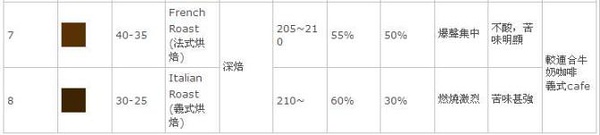
The SCAA (Specialty Coffee Association of America) roast standard classifies coffee roast levels using Agtron color measurements. It defines eight roast levels ranging from light to dark, each represented by a standardized color block. This system provides an objective reference for determining roast degree based on bean surface color.
How do roasters determine roast level by sound?
Many roasters, especially in regions like Taiwan, identify roast levels by listening for the “first” and “second” cracks during roasting. Light roast is determined at the dense phase of first crack, city roast falls between the first and second cracks, full city begins at the start of the second crack, and Italian/French roast is reached after the second crack.
What happens to coffee beans during roasting?
During roasting, beans undergo chemical changes including moisture loss (15–25%), expansion in size, and development of acids, sugars, and aromatic oils. Key phases include the first crack (moisture release and yellowing) and second crack (oil surfacing and increased body), both accompanied by audible pops and significant flavor development.
What’s the difference between light, medium, and dark roast?
Light roast ends right after the first crack, emphasizing acidity and origin flavors with a lighter body. Medium roast (city roast) is balanced between acidity and sweetness, often used for single origins. Dark roast (full city and beyond) features deeper body, lower acidity, and more bitterness, with oils emerging on the bean surface.
Does roast level affect caffeine content?
Yes. Lighter roasts generally retain slightly more caffeine than darker roasts. Prolonged roasting reduces caffeine content marginally, so very dark roasts (like French or Italian) may have slightly less caffeine per bean, though the difference per cup is minimal.
Why do roast names vary by country?
Roast names like 'French roast' or 'Italian roast' are based on regional taste preferences rather than standardized color metrics. These names often overlap with SCAA’s technical roast levels but can mean different things in different markets, leading to inconsistencies in labeling.
Recommended FrontStreet Coffee for Roast Exploration
Explore roast levels with FrontStreet Coffee’s single origins: try their Ethiopia Yirgacheffe for bright, acidic notes in a light to city roast; their Colombia Huila for balanced medium-body in a classic city roast; or their PWN Golden Mandheling for a heavier, syrupy full city/dark roast. Each highlights how roast level shapes flavor. Freshly roasted within 5 days · Orders placed before 17:00 ship the same day · Next-day delivery across most of Guangdong Province.
FrontStreet Coffee is a long-established specialty coffee roaster in Guangzhou China, selling freshly roasted beans from its own farm in Yunnan as well as dozens of carefully selected single-origin beans from around the world for both pour-over and espresso. The products deliver consistently excellent quality and great value, with shipping within 24 hours. Guangzhou's FrontStreet Coffee shop is recommended by many coffee lovers, and the beans are now available online at the Tmall 。
Important Notice :
前街咖啡 FrontStreet Coffee has moved to new addredd:
FrontStreet Coffee Address: 315,Donghua East Road,GuangZhou
Tel:020 38364473

