
How Coffee Roasting Unlocks Aroma and Flavor
Ever grabbed a handful of green coffee beans and recoiled at the sharp, earthy smell? That’s not your imagination — raw coffee beans have a pungent, almost soil-like odor nothing like the rich fragrance of brewed coffee. But when roasted correctly, those same beans release some of the most complex aromas found in food.
The secret? Roasting transforms over 800 aromatic compounds in high-altitude Arabica beans — more than vanilla or wine — into the flavors and scents we love. But none of that happens without the right roast.
What’s Really Inside a Green Coffee Bean?
High-altitude Arabica green coffee beans are chemical powerhouses. Scientists have identified over 2,000 chemical compounds in them, with 700 to 850 being aromatic. That’s far more than the 150 in culinary vanilla or the fewer found in wine. These compounds don’t magically appear when you brew — they need heat to develop.
How Roasting Awakens Coffee’s Aromatic Compounds
Roasting is what “activates” those hundreds of aromatic compounds. Without it, coffee might smell like wet cardboard (from washed processing) or musty earth (from natural drying). During roasting, beans undergo dramatic chemical changes in just 5 to 25 minutes, depending on the roast style. This process — too complex for even the most advanced labs to fully replicate — is where coffee’s signature flavors emerge.
The Science of Roasting: What Actually Happens
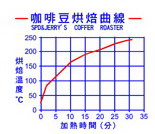
When beans reach over 200°C, several key changes occur:
- Moisture evaporates, beans expand by 60% in volume and lose 10–25% of their weight (more in darker roasts).
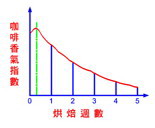
- They release carbon dioxide, which slows oxidation and helps preserve freshness for about 30 days post-roast. But after seven days, CO₂ levels drop, oxygen enters, and flavors degrade quickly — that’s why you should use freshly roasted beans within a week of opening.
The goal for roasters? Maximize caramelization while minimizing carbonization. Caramelization, starting around the six- to seven-minute mark, triggers the first crack, releases gases, evaporates moisture, and forms coffee oils. Hundreds of aromatic compounds — including nicotinic acid, citric acid, quinic acid, malic acid, acetic acid, and caffeine — develop during this phase. But if you roast too long, valuable compounds carbonize, leading to bitter, burnt flavors. That balance is the roaster’s biggest challenge.
How to Tell When Your Roast Is Just Right
Experienced roasters rely on three sensory cues:
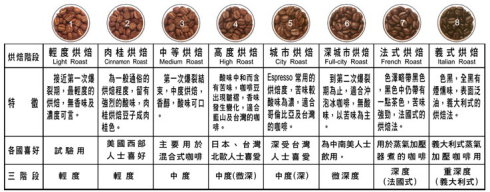
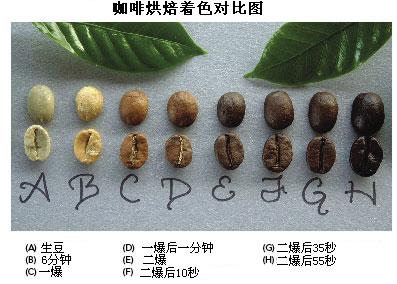
- Color: Beans shift from grey to golden yellow, then light brown, then glossy dark brown as oils emerge. Over-roasted beans turn black, dry, and start emitting blue smoke and acrid smells — a sign you’re nearing combustion.
- Sound: Most beans produce two distinct cracking sounds. The first crack (around seven minutes for heat-resistant beans like Mandheling or Antigua) signals starch converting to sugar and the start of caramelization. It’s low and sparse. About two minutes later, things quiet down. Then, around twelve minutes, a second, sharper crack signals cell structure breakdown — the roast is nearly done. Going further risks flavor loss.
- Smell and Taste: Aromas evolve with temperature and color shifts due to caramelization and acid changes.
Skilled roasters aim to stop the roast between light brown and glossy dark brown for optimal flavor.
Frequently Asked Questions
Why do green coffee beans smell bad compared to roasted coffee?
Green coffee beans have a sharp, earthy, or even soil-like odor due to their raw state and chemical makeup. This smell transforms dramatically during roasting when heat activates hundreds of aromatic compounds, resulting in the familiar coffee fragrance.
What happens to coffee beans during roasting?
During roasting, moisture evaporates, beans expand by up to 60% in volume, and lose 10–25% of their weight. They release carbon dioxide for up to 30 days, which helps protect freshness, but after the first week, oxygen exposure leads to faster flavor degradation.
What is the role of caramelization in coffee roasting?
Caramelization begins around the six- to seven-minute mark of roasting and is crucial for developing coffee’s key aromatic compounds. It’s when starches convert to sugars, moisture evaporates, and hundreds of flavor precursors form, contributing to coffee’s complexity.
How can you tell when coffee is properly roasted?
Roasters listen for two cracking sounds, observe color changes from light to dark brown, and monitor aroma development. The ideal roast is typically stopped between the first signs of oil sheen (light brown) and heavy oil emergence (dark brown), avoiding excessive carbonization.
Why should you use coffee beans within a week of roasting?
Coffee beans release carbon dioxide for about 30 days after roasting, which slows oxidation. However, after the first week, oxygen exposure increases and degrades flavor. Using beans within a week preserves their peak freshness and taste.
Recommended FrontStreet Beans for Roasting Insight
Explore FrontStreet Coffee’s Ethiopia Humbera for bright citrus and floral tones, PWN Golden Mandheling for deep body and herbal sweetness, and Yirgacheffe for juicy berries and delicate acidity — all showcasing how roast levels shape flavor. These single origins highlight the impact of proper roasting on aroma and taste. Freshly roasted within 5 days · Orders placed before 17:00 ship the same day · Next-day delivery across most of Guangdong Province.
FrontStreet Coffee is a long-established specialty coffee roaster in Guangzhou China, selling freshly roasted beans from its own farm in Yunnan as well as dozens of carefully selected single-origin beans from around the world for both pour-over and espresso. The products deliver consistently excellent quality and great value, with shipping within 24 hours. Guangzhou's FrontStreet Coffee shop is recommended by many coffee lovers, and the beans are now available online at the Tmall 。
Important Notice :
前街咖啡 FrontStreet Coffee has moved to new addredd:
FrontStreet Coffee Address: 315,Donghua East Road,GuangZhou
Tel:020 38364473

