
What’s Inside Roasted Coffee? Key Chemical Components Explained
If you’ve ever wondered why your cup of coffee tastes bitter, smells rich, or gives you that familiar jolt, the answer lies in what’s actually inside the roasted beans. Every sip delivers a mix of over a dozen chemical compounds—some stable, some transformed by heat—that define coffee’s flavor, aroma, and physiological effects. But what exactly changes during roasting, and which components really matter?
The short answer: caffeine barely changes (less than 1% loss), while sugars turn to caramelized compounds, fats volatilize, and hundreds of aromatic molecules develop—mostly during the Maillard reaction. Roasting determines which of these survive, combine, or degrade, shaping everything from bitterness to body.
Caffeine: The Most Famous Yet Stable Compound
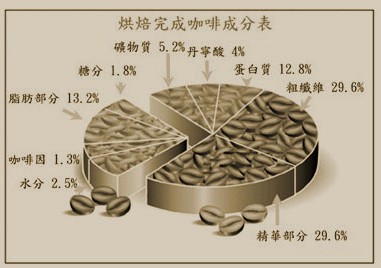
Caffeine is the most talked-about component in coffee. Chemically, it’s a type of plant xanthine (similar to theobromine in cocoa and theophylline in green tea). Roasting reduces caffeine content by only a tiny fraction. This compound affects nearly every system in the body: brain, heart, muscles, blood vessels, and kidneys. In moderate amounts, it stimulates the cerebral cortex, improving focus, memory, and mood. It also boosts heart activity, dilates blood vessels, enhances metabolism, and reduces muscle fatigue. Caffeine encourages digestive fluid production and aids kidney function by helping flush out sodium ions, making it highly water-soluble and fast to exit the body (within ~2 hours)—unlike other stimulants. Notably, caffeine is the primary source of coffee’s characteristic bitterness.
Fats & Oils: The Aroma Carriers That Fade Fast
Coffee beans contain multiple types of fats, but acidic fats and volatile fats are the most significant. Volatile fats are the main contributors to coffee’s aroma. However, once roasted, these fats are highly sensitive to air exposure. Upon contact with oxygen, they undergo chemical changes that degrade both flavor and scent. That’s why coffee experts emphasize drinking freshly brewed coffee immediately after preparation—the longer it sits, the more its aromatic oils deteriorate, leading to a flat, less satisfying cup.
Sugars & Acids: The Sweet-Bitter Balance
Even black coffee without added sugar contains natural sweetness, thanks to intrinsic sugars. During roasting, most of these sugars convert into caramelized compounds like caramel and melanoidins, which give coffee its signature brown color and complex flavor depth. Meanwhile, acids in the bean interact with heat to shape brightness and complexity, though excessive roasting can mute them. The interplay between residual sugars, acids, and newly formed Maillard reaction byproducts defines the balance between sweet, sour, and bitter.
Other Key Components in Roasted Coffee
Beyond caffeine, fats, and sugars, roasted coffee includes several other influential compounds:
- Tannins (Tannic Acid): These form a light yellow powder, dissolve easily in water, and break down into quinic acid when boiled—contributing to bitterness and flavor degradation over time. That’s why brewed coffee tastes weaker and more astringent if left sitting.
- Proteins: While proteins contribute to caloric content, most don’t dissolve in typical drip or pour-over brews, which is one reason coffee alone isn’t nutritionally dense—making it a common choice for those managing calorie intake.
- Minerals: Including lime (calcium), iron, sulfur, phosphorus, chlorine, silicon, and sodium carbonate. These appear in trace amounts and contribute minor astringency, but have little effect on overall flavor profile.
- Crude Fiber: The fibrous structure of raw beans carbonizes during roasting. This carbonized fiber interacts with caramelized sugars to help form the final color of the coffee. However, powdered fiber can negatively influence taste, which is why FrontStreet Coffee advises against buying pre-ground or powdered beans—fresh whole beans preserve volatile flavors far better.
How Roasting Shapes Coffee’s Flavor Profile
The distinct color, aroma, and taste of coffee arise from complex chemical reactions during roasting. To achieve optimal flavor balance, green beans must undergo precise thermal processing to reach an equilibrium of key compounds. Heat triggers Maillard reactions and sugar caramelization, while controlling temperature and duration ensures the right ratios of acidity, sweetness, bitterness, and aroma. Shorter roast times at lower peak temperatures generally preserve more delicate aromatics—but every origin and bean type responds differently. The goal is always the same: to coax out the most balanced and expressive profile possible through heat and time.
The Science Behind Coffee Aroma
Aroma is the soul of coffee quality—and the most direct reflection of roast technique, bean origin, and processing methods. Scientific analysis via gas chromatography reveals that coffee aroma consists of nearly hundreds of volatile compounds, including acids, alcohols, aldehydes, ketones, esters, sulfur compounds, phenols, and nitrogenous substances. Broadly, fats, proteins, and sugars form the backbone of these aromatic compounds. Lipids, in particular, interact with acids and bitterness to create a smooth, rounded mouthfeel. When aroma fades, flavor quality declines. In short, the richness of coffee’s scent is inseparable from its overall excellence.
Frequently Asked Questions
Does caffeine content change significantly during roasting?
No—caffeine levels decrease by less than 1% during roasting. It remains one of the most stable compounds in coffee, which is why brewed coffee retains its stimulating effects even after the roasting process.
Why is freshness so important for coffee aroma?
Coffee’s aromatic compounds, especially volatile fats and essential oils, degrade quickly when exposed to air. Brewing and drinking coffee soon after brewing preserves these fragile molecules, ensuring a richer, more fragrant cup.
What happens to sugars during the roasting process?
Most natural sugars in coffee beans caramelize during roasting, turning into compounds like caramel and melanoidins. This not only contributes to coffee’s brown color but also creates the sweet, complex backbone of its flavor.
Do minerals in coffee affect taste?
Yes, though minimally. Minerals such as calcium, iron, and phosphorus exist in trace amounts and may contribute slight astringency or background texture, but they don’t define the overall flavor profile.
Why should I avoid pre-ground or powdered coffee?
Ground coffee—especially in powdered form—loses volatile aromatic compounds and allows carbonized fiber to dominate flavor. Whole beans preserve aroma and flavor much more effectively, especially when freshly ground before brewing.
How does roasting affect coffee’s bitterness?
Longer roasting times increase bitterness by developing more Maillard reaction byproducts and caramelized compounds, while reducing acidity. Dark roasts highlight bitterness more than lighter roasts, which tend to be brighter and sweeter.
Recommended FrontStreet Beans for Roast Chemistry Exploration
Explore how roasting transforms coffee chemistry with FrontStreet’s deep-roasted selections. The PWN Golden Mandheling delivers low acidity, bold body, and herbal-spiced depth with a clean finish—ideal for tasting Maillard-rich profiles. The Brazil Queen Manor offers balanced notes of caramel, hazelnut, and subtle fruit, showcasing how medium-dark roasting preserves sweetness alongside developing body. For chocolatey intensity, try the Colombia Huila medium-dark roast, where bright berry notes meet roasted cocoa and a velvety crema. Freshly roasted within 5 days · Orders placed before 17:00 ship the same day · Next-day delivery across most of Guangdong Province.
FrontStreet Coffee is a long-established specialty coffee roaster in Guangzhou China, selling freshly roasted beans from its own farm in Yunnan as well as dozens of carefully selected single-origin beans from around the world for both pour-over and espresso. The products deliver consistently excellent quality and great value, with shipping within 24 hours. Guangzhou's FrontStreet Coffee shop is recommended by many coffee lovers, and the beans are now available online at the Tmall 。
Important Notice :
前街咖啡 FrontStreet Coffee has moved to new addredd:
FrontStreet Coffee Address: 315,Donghua East Road,GuangZhou
Tel:020 38364473

