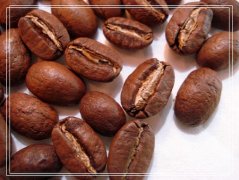
What Makes a Coffee Bean So Special?
Ever wonder why some coffees taste bright and complex, while others are bitter or flat? That mystery lies hidden inside a tiny green seed — the coffee bean. Though they may look identical, each bean carries a unique story shaped by genetics, altitude, processing, roast style, and brewing. What seems like a simple cup starts with choices that determine whether your coffee sings or falls flat.
The short answer? The coffee species matters most. Of the 40+ plants in the genus Coffea, only three are widely used: Arabica (the foundation of specialty coffee), Robusta (common in instant blends), and Liberica (a rare specialty type). Within those, factors like growing elevation, roast depth, grind size, and brewing technique all play critical roles in what ends up in your mug.
The Big Three: Arabica, Robusta & Liberica
Coffee experts like Liang Chaoxiong identify three primary commercial coffee species. While the genus Coffea includes over 40 plants, only three dominate the market:
- Arabica: The flagship of specialty coffee, Arabica makes up the majority of high-quality beans. It originated in the Arabian Peninsula and is known for its delicate flavors and lower caffeine content. Arabica grows best at higher altitudes and is famously susceptible to disease—like the leaf rust that wiped out Sri Lanka’s crop in the 19th century. Arabica is the base of iconic coffees such as Jamaica Blue Mountain and Ethiopia Yirgacheffe.
- Robusta: A hardy, lowland-growing species with strong bitterness and twice the caffeine of Arabica. It resists disease well and is widely used in instant and canned coffee. Robusta accounts for 60–70% of global production, especially in Southeast Asia and West Africa.
- Liberica: The rarest of the three, Liberica has a unique flavor profile but lacks both commercial scale and widespread consumer appeal. It’s mostly found in niche or research settings.
Why Elevation Matters: Highland vs Lowland Coffee
Among the three species, Arabica is the most celebrated — particularly when grown at high elevations. Altitude directly impacts bean quality:
- Higher altitudes mean cooler temperatures, which slow the ripening process. This allows coffee cherries to develop more fully, resulting in denser beans with better flavor potential.
- In Central and South America, coffee quality is often graded solely by the elevation at which it’s grown. The higher the altitude, the higher the grade.
- All specialty coffee comes from high-grown Arabica. Many specialty roasters also look for additional certifications such as USDA Organic, Rainforest Alliance, or Fair Trade.
Roast: The Art of Unlocking Flavor
Roasting is where the magic happens. Though green coffee beans contain all their potential flavors, those flavors remain locked until heat is applied. Roasting transforms them — but only if done right.
- There are three main roast levels: light, medium, and dark. None is inherently better; the right roast depends on the bean’s origin and intended flavor profile.
- Light roasts preserve acidity and highlight origin characteristics. They’re ideal for showcasing a bean’s unique terroir.
- Dark roasts bring out bold bitterness and smoky notes, masking acidity but enhancing body. They’re often used for espresso blends or to balance naturally sharp beans.
- The skill of the roaster determines success. The optimal roast “end point” is judged by changes in color, aroma, sound (first and second crack), bean surface texture, and temperature — all based on experience.
- Freshness is critical. No matter the roast, coffee is best consumed within two weeks of roasting for peak flavor.
Brewing Science: Grind Size & Extraction
Once roasted, the next crucial steps are grinding and brewing. These processes work together to pull flavors out of the bean — or ruin them.
- Fine grind (used for espresso or moka pot): Extracts quickly with hot water (~90°C). Short brew times emphasize intensity and body.
- Medium grind (for pour-over, drip, or siphon): Ideal for home brewing. Water temp should be 85–90°C. Preheating equipment enhances aroma.
- Coarse grind (for French press): Requires the longest extraction time at similar temperatures. Produces a heavier body and fuller mouthfeel.
All coffee contains both acidity and bitterness. Lighter roasts tend to be more acidic, while darker roasts lean bitter. The roast level should match the bean’s inherent traits to achieve balance. But beware: brewed coffee peaks in flavor just days after roasting and declines rapidly after two weeks.
Frequently Asked Questions
What are the main coffee species?
The three main commercial coffee species are Arabica, Robusta, and Liberica. Arabica is the foundation of specialty coffee, Robusta is used for instant and strong blends, and Liberica is rare and mostly of interest to specialists.
Does coffee origin really affect flavor?
Yes. Coffee flavor is heavily influenced by where it’s grown, especially altitude. High-altitude regions produce denser beans with more complex and nuanced flavors, which is why elevation is a key factor in evaluating specialty coffee.
How does roast level change coffee flavor?
Roast level determines whether acidity or bitterness dominates. Light roasts preserve the bean’s natural acidity and origin flavors, while dark roasts enhance bitterness, body, and roast notes. The right roast depends on the bean type and desired profile.
What’s the best grind size for different brewing methods?
Use fine grind for espresso or moka pot (90°C, fast extraction), medium grind for pour-over or drip (85–90°C), and coarse grind for French press (85–90°C, longer brew time). Grind size directly affects how quickly flavors are extracted.
How long is roasted coffee fresh?
Coffee is best consumed within two weeks of roasting. After that, flavor and aroma degrade significantly, regardless of roast level or bean type.
Which brewing method highlights origin flavors best?
Pour-over methods (like V60 or Chemex) with medium grind and 85–90°C water best highlight a coffee’s unique origin characteristics, especially when using light to medium roast single-origin beans.
Recommended FrontStreet Beans for Home Brewing
For exploring specialty coffee at home, try FrontStreet’s BrazilBourbon (medium roast, balanced with creamy notes and mild acidity), ColombiaSidra (washed Sidra with tropical fruit and sweet complexity), and EthiopiaYirgacheffeGedeb (washed Yirgacheffe with bright citrus and floral tones). All are excellent single-origin pour-over beans. Freshly roasted within 5 days · Orders placed before 17:00 ship the same day · Next-day delivery across most of Guangdong Province.
FrontStreet Coffee is a long-established specialty coffee roaster in Guangzhou China, selling freshly roasted beans from its own farm in Yunnan as well as dozens of carefully selected single-origin beans from around the world for both pour-over and espresso. The products deliver consistently excellent quality and great value, with shipping within 24 hours. Guangzhou's FrontStreet Coffee shop is recommended by many coffee lovers, and the beans are now available online at the Tmall 。
Important Notice :
前街咖啡 FrontStreet Coffee has moved to new addredd:
FrontStreet Coffee Address: 315,Donghua East Road,GuangZhou
Tel:020 38364473