How Coffee Beans Grow: From Cherry to Roast
Ever wondered why your cup of coffee tastes bright and fruity one day and deep and chocolatey the next? Much of that difference starts long before brewing — back when the coffee bean is still inside its red fruit on a tree. The journey from coffee cherry to roasted bean involves key steps that define your coffee’s final profile.
Coffee beans are the seeds of the coffee cherry. They go through harvest, processing (washing, drying, or honey), drying, milling, and roasting. Each stage — especially processing — dramatically shapes flavor. For example, washed coffees are cleaner and brighter, naturals are sweeter and fruitier, and honeys fall in between.
Where Coffee Originated: Ethiopia and the Legend of Kaldi
The story goes that coffee was first discovered in the region now known as Ethiopia, historically called Abyssinia. Legend says a goat herder named Kaldi noticed his goats became unusually energetic after eating bright red coffee cherries. Monks later used the beans to stay awake during long prayers. Though the tale is likely symbolic, it points to Ethiopia as the birthplace of coffee cultivation, which likely began around the 6th century. Early uses included chewing leaves and beans, and later a sweet drink called qishr. By the 16th century, methods for roasting and brewing coffee had been developed — techniques still in use today.
What Is a Coffee Bean? Inside the Coffee Cherry
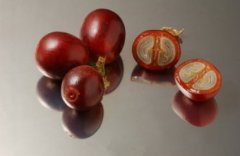
A coffee bean is actually the seed inside the coffee cherry — a fruit that grows on coffee trees. Each cherry typically holds two beans (though sometimes one peaberry). The bean is protected by multiple layers: the outer skin, pulp, sticky mucilage, parchment (a paper-like silver skin), and finally the green bean inside. These layers, especially the sugary mucilage, interact with the bean and influence flavor. How the bean is removed from the cherry — the processing method — also plays a major role in the taste of the final cup.
How Coffee Cherries Are Harvested and Sorted
Coffee cherries are usually harvested once a year during the dry season. But not all cherries are ripe at the same time. A single tree can have underripe, perfectly ripe, and overripe cherries all at once. To ensure quality, cherries are first sorted — typically by soaking them in water. Denser, ripe cherries sink; unripe or defective ones float and are removed. The best beans come from fully ripe, dense cherries. Those left unsorted or poorly sorted often become low-grade commercial coffee or instant coffee. Some underripe cherries may be processed separately using specific methods to improve their quality.
The Three Main Coffee Processing Methods
Once sorted, coffee cherries must be processed to remove the beans from the fruit. There are three main methods, each affecting flavor differently:
- Washed (Wet) Process: Ripe cherries are pulped to remove the skin and pulp, then the beans are fermented in water for 8–20 hours to break down the sticky mucilage. After washing, the beans are dried on patios or using machines. This method produces clean, bright, and high-acid coffees with a crisp profile. It’s widely used and highlights the bean’s inherent qualities.
- Natural (Dry) Process: Whole cherries are dried in the sun (or with machines) without removing the skin or pulp. This can take several weeks. The beans soak up sugars and flavors from the fruit, resulting in sweeter, fruitier, and heavier-bodied coffees. Acidity tends to be lower, and the method often suits espresso blends. Natural processing is more common in regions with dry climates.
- Honey (Pulped Natural / Semi-Washed) Process: A hybrid method where the skin and some pulp are removed, but some or all of the mucilage is left on the beans during drying. This method is rare and requires specific climate conditions. The result is a coffee with a balance of sweetness, body, and acidity — combining traits of both washed and natural processes. The more mucilage left, the sweeter and fruitier the cup.
Drying, Milling, and Exporting Coffee Beans
After processing, the beans — still covered in a protective parchment layer — are dried until their moisture content drops to a safe level (usually below 12%). They are then stored in parchment on raised beds or in silos to preserve freshness until export. Before shipping, the parchment is removed in a hulling process, leaving the green coffee bean. These beans are packed into 60kg jute sacks and prepared for export. The entire journey from cherry to green bean is carefully managed to protect flavor and quality.
From Green Bean to Roast: The Role of Roasting

Green coffee beans are flavorless until roasted. Roasting triggers chemical reactions — including the Maillard reaction — that develop the bean’s aroma, acidity, body, and flavor. Light roasts preserve more origin characteristics, acidity, and floral or fruity notes. Dark roasts produce bolder, richer cups with heavier body and less acidity, but can mask defects. Most specialty roasters aim for a balanced medium to medium-dark roast to highlight origin traits while developing complexity. The roast level you choose greatly affects how the coffee will taste when brewed.
Brewing Methods and Freshness Matter Too
Once roasted, coffee begins to lose freshness quickly. Grinding accelerates this process, so it’s best to grind right before brewing. Different brew methods require different grind sizes: espresso needs a fine grind, pour-over uses medium-fine, and French press uses coarse. Each method extracts flavors differently. Espresso produces intense, concentrated shots with rich crema. Pour-over highlights clarity and acidity. French press yields full-bodied, smooth cups with reduced acidity. Vacuum pots preserve aroma well. No matter the method, water temperature and brew time are critical to a balanced extraction.
Frequently Asked Questions
What is the coffee bean actually?
A coffee bean is the seed inside the coffee cherry fruit. Each cherry usually contains two beans surrounded by layers including pulp, mucilage, parchment, and the green bean. The bean itself is what we roast and brew, but its flavor is heavily influenced by the fruit layers and how it’s processed.
What are the main coffee processing methods?
The three main methods are washed (removing skin and fermenting to clean mucilage), natural (drying whole cherries with fruit on the bean), and honey (removing skin but leaving some mucilage during drying). Each creates different flavor profiles: washed is clean and bright, natural is sweet and fruity, and honey is balanced with more body.
Does processing affect coffee flavor?
Yes. Processing is one of the most important factors shaping coffee flavor. Washed coffees tend to be bright and acidic, naturals are sweeter and heavier, and honeys offer a balance of both. The method determines how much fruit flavor, sweetness, and body ends up in your cup.
How are coffee cherries sorted before processing?
Cherries are sorted by density, usually in water. Ripe, dense cherries sink; unripe or defective ones float and are discarded. This step is crucial for quality — mixing unripe cherries can ruin the flavor of the lot.
What happens after coffee is processed?
After processing, beans are dried to safe moisture levels, then stored in parchment. Before export, the parchment is removed (hulled), and the green beans are packed into 60kg sacks. They are then shipped to roasters worldwide.
How does roasting impact coffee?
Roasting transforms green beans into flavorful coffee by triggering chemical reactions like the Maillard reaction. Light roasts preserve acidity and origin character; dark roasts develop boldness and body but can hide flaws. Roast level should match the brewing method and flavor preference.
Recommended FrontStreet Beans for Learning Coffee Origins
Try FrontStreet’s Ethiopia Yirgacheffe for a classic washed coffee with bright acidity and floral notes, their Ethiopia Guji for a fruit-forward natural process cup, and their Colombia Huila Honey for a balanced honey-processed coffee with body and sweetness. These beans showcase how processing shapes flavor. Freshly roasted within 5 days · Orders placed before 17:00 ship the same day · Next-day delivery across most of Guangdong Province.
FrontStreet Coffee is a long-established specialty coffee roaster in Guangzhou China, selling freshly roasted beans from its own farm in Yunnan as well as dozens of carefully selected single-origin beans from around the world for both pour-over and espresso. The products deliver consistently excellent quality and great value, with shipping within 24 hours. Guangzhou's FrontStreet Coffee shop is recommended by many coffee lovers, and the beans are now available online at the Tmall 。
Important Notice :
前街咖啡 FrontStreet Coffee has moved to new addredd:
FrontStreet Coffee Address: 315,Donghua East Road,GuangZhou
Tel:020 38364473