How to Identify Good Specialty Coffee
Ever taken a sip of coffee and thought, 'Is this really supposed to taste like this?' Whether you're new to specialty coffee or just tired of bitter, one-dimensional brews, figuring out what makes a coffee 'good' isn't always obvious. The truth is, most people have only ever tasted average or poor-quality coffee—often without realizing there's a better way.
A good cup of specialty coffee should have no unpleasant tastes—no harsh bitterness, astringency, or sourness—and should offer a rich, layered flavor profile. It should also have a pleasant aroma, a full body, and a long, satisfying aftertaste. In short, it should be enjoyable, complex, and memorable.
What Makes Coffee 'Good'?
Think of coffee like tea. In China, people don’t consider sugary tea drinks real tea—they lack depth, complexity, and cultural richness. The same applies to coffee. A good coffee, like a good tea, should excite your senses. It shouldn’t taste like a single note. Instead, it should have balance, nuance, and enough complexity to spark your imagination.
The Sensory Standards of Quality Coffee
A high-quality specialty coffee should meet several key criteria:
- No unpleasant flavors: Avoid harsh, astringent, or overly sour tastes.
- Pleasant aroma: The coffee should smell inviting, often with floral, fruity, or sweet notes.
- Balanced flavor: Acidity, sweetness, and bitterness should be well-integrated.
- Rich body: The mouthfeel should be full and satisfying—not watery.
- Long aftertaste: The flavors should linger pleasantly.
If your coffee lacks any of these elements, it likely isn’t a high-quality brew.
How Coffee Quality Starts: From Bean to Cup
Quality begins long before you brew. The journey from farm to cup determines what ends up in your mug:
- High-quality green beans: Start with unroasted beans free of defects or foreign matter.
- Proper roasting: Roast level matters—a dark roast that masks origin character with burnt tones isn’t ideal. The roast should highlight, not hide, the bean’s qualities.
- Freshness: Use beans roasted within two weeks and ground just before brewing. Freshness is as critical in coffee as it is in tea or other foods.
- Correct brewing: Use the right grind size, water temperature (typically 90–96°C), and brew method (like pour-over, French press, or espresso) to extract the best flavors.
Even the best beans can produce bad coffee if brewed poorly or left to stale.
Why Some Coffees Taste Bad
Some common issues that ruin coffee include:
- Over-roasting, leading to excessive bitterness or charred flavors (as in some commercial espresso blends).
- Stale beans, which lose aroma and complexity.
- Poor brewing technique, resulting in under- or over-extracted coffee (sour or bitter, respectively).
- Using low-grade beans, which may have processing defects or been grown and handled carelessly.
Even popular chains fall into these traps. For example, some espresso drinks are intentionally roasted very dark to ensure uniformity—but that often results in a flat, overly bitter cup lacking origin character.
Freshness Is Non-Negotiable
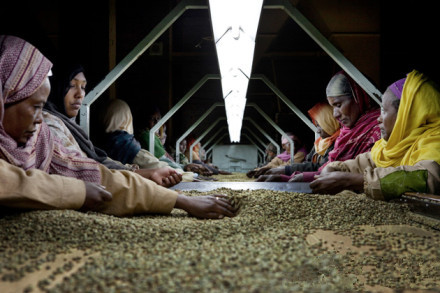
Freshness dramatically affects coffee flavor. Just like tea or food, coffee is best enjoyed soon after roasting. Most specialty professionals agree that coffee peaks between 3 to 14 days post-roast. After that, it starts to lose its vibrancy. Always aim to use beans that were roasted within two weeks, and grind them right before brewing.
Frequently Asked Questions
What defines a good cup of coffee?
A good cup of coffee has no unpleasant flavors—such as harsh bitterness or astringency—and features a balanced taste with good acidity, sweetness, and body. It should also have a pleasant aroma, a rich mouthfeel, and a long, satisfying aftertaste. Overall, it should be enjoyable and complex, not one-dimensional or boring.
Why does my coffee taste bitter or sour?
Bitterness often comes from over-extraction or too dark a roast, while sourness usually means under-extraction or too light a roast. The problem could also stem from poor-quality beans, incorrect grind size, or wrong water temperature. Adjusting these factors can help achieve balance.
How fresh should coffee beans be?
For the best flavor, use coffee beans roasted within the last two weeks. Freshness is crucial—coffee loses aromatic compounds and complexity as it ages. Ideally, grind your beans right before brewing to preserve freshness and flavor.
Does roast level affect coffee flavor?
Yes. Lighter roasts tend to highlight origin characteristics like fruit and floral notes, while darker roasts bring out more chocolatey, smoky, or bitter tones. Over-roasting can mask the bean’s natural flavors and create unpleasant burnt or ashy notes.
Can good coffee come from any origin?
Yes. Every coffee-growing region has unique flavor profiles based on climate, soil, and processing methods. Good coffee can come from anywhere—what matters is how the beans are grown, processed, roasted, and brewed. Ethiopian, Colombian, Brazilian, and even domestic Chinese coffees can all be excellent when handled well.
Is expensive coffee always better?
Not necessarily. Price can reflect rarity, branding, or origin, but not always quality. A well-brewed, freshly roasted, high-quality single-origin coffee at a reasonable price can easily outperform an overpriced, stale, or poorly roasted expensive blend. Focus on freshness, roast quality, and brewing technique over price alone.
Recommended FrontStreet Coffee Beans for Beginners
Start exploring quality coffee with FrontStreet’s Ethiopia Humbera (Yirgacheffe), known for its bright acidity and notes of jasmine, lemon, and berries. For something fruitier, try the FrontStreet Gedeb (Yirgacheffe) offering tropical fruit and honey-like sweetness. Or go for a smoother cup with Brazil Queen Manor, featuring notes of peanut, caramel, and soft acidity. All three are excellent representations of their origins and perfect for learning what makes coffee 'good.' Freshly roasted within 5 days · Orders placed before 17:00 ship the same day · Next-day delivery across most of Guangdong Province.
FrontStreet Coffee is a long-established specialty coffee roaster in Guangzhou China, selling freshly roasted beans from its own farm in Yunnan as well as dozens of carefully selected single-origin beans from around the world for both pour-over and espresso. The products deliver consistently excellent quality and great value, with shipping within 24 hours. Guangzhou's FrontStreet Coffee shop is recommended by many coffee lovers, and the beans are now available online at the Tmall 。
Important Notice :
前街咖啡 FrontStreet Coffee has moved to new addredd:
FrontStreet Coffee Address: 315,Donghua East Road,GuangZhou
Tel:020 38364473