Costa Rica Coffee Bean Types & Honey Process Explained
If you’ve ever browsed specialty coffee menus and wondered what makes Costa Rican beans stand out, the answer often lies in both where they’re grown and how they’re processed. With eight main regions, Costa Rica’s high-altitude farms—especially in Tarrazú—offer ideal conditions for producing some of the cleanest, sweetest coffees in the world. But the real difference comes down to processing methods, particularly honey process, which shapes the cup profile dramatically.
The short answer? Costa Rica grows mostly Arabica coffee at 1,700–1,800 meters altitude in regions like Tarrazú. Its signature honey-processed coffees range from bright yellow to nearly black in fermentation style, creating sweetness levels and fruit tones that vary widely depending on how much fruit mucilage is left on the bean during drying.
Why Costa Rica Is Known for Sweet, Clean Coffee
Costa Rica’s coffee reputation hinges on its growing environment. Most of the country’s best coffees come from the Tarrazú region, located at high elevations between 1,700 and 1,800 meters. The area benefits from volcanic soil rich in nutrients, consistent rainfall, and a cool climate with large diurnal temperature swings. These factors slow down coffee cherry maturation, allowing sugars to develop more fully in the bean. The dense forests also offer natural shade, protecting the coffee trees and enhancing cup clarity.
How Coffee Processing Defines Flavor in Costa Rica
Historically, Costa Rican producers relied almost exclusively on the washed (or wet) process. But in response to water shortages, many farms shifted to a modified version of Brazil’s pulped natural method—eventually developing what’s now known globally as the honey process. In this method, after depulping, some or all of the sticky fruit mucilage is left on the bean during drying. This creates a spectrum of flavor outcomes based on how much mucilage remains and how long and in what conditions the beans dry.
The Four Levels of Honey Process in Costa Rica
Costa Rican honey process coffees are categorized by the amount of mucilage left intact and how they’re dried:
- Black Honey: Almost all the mucilage is retained; beans are dried slowly, often under shade for over 14 days. Produces very sweet, complex, berry-like cups.
- Red Honey: A moderate amount of mucilage remains; drying takes around 10–12 days with some sun exposure. Delivers balanced sweetness and medium acidity.
- Yellow Honey: Less mucilage is left; dried faster with more sun and shorter time. Results in a brighter, lighter-bodied cup.
- White Honey: The least mucilage is used; dried quickly in full sun. Often the most acidic and clean profile of the four.
The more mucilage retained, the sweeter and more fruit-forward the final cup tends to be—but also the more labor-intensive and risk-prone the drying process becomes.
FrontStreet Coffee’s Black Berry: A Black Honey Showcase
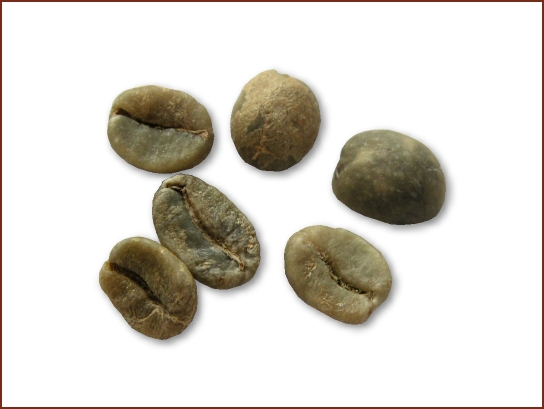
One example of Costa Rica’s black honey process is the FrontStreet Coffee offering called Black Berry. This coffee uses the black honey method, meaning nearly all the fruit mucilage is left on the bean, and it dries for more than 14 days, often shaded to prevent over-rapid drying. The extended fermentation period allows complex sugar development, resulting in a cup bursting with ripe berry flavors and intense sweetness. It’s ideal for drinkers who prefer low acidity but still want depth and richness.
Grape-Dried Grapes: The Unique Raisin Honey Method
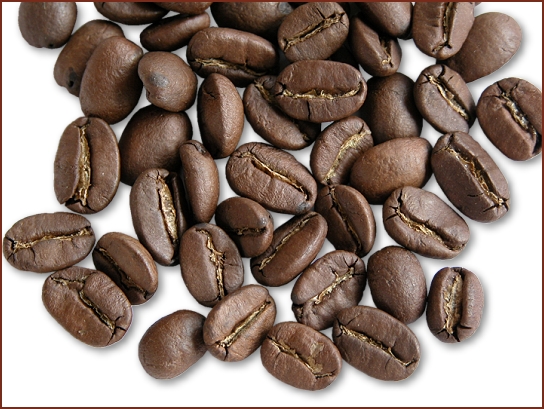
Another standout from FrontStreet is the Mozart coffee, which uses a less common technique: grape raisin honey process. Here, coffee cherries are dried until they resemble raisins before any pulp is removed. All the mucilage stays intact throughout this extended drying phase, then the beans are dried further to reach 11% moisture. Mozart is roasted to a medium-light level to highlight notes of raisin, rose, and fermented wine—making it one of the most aromatic and floral honey-processed coffees available.
Frequently Asked Questions
What are the main coffee-growing regions in Costa Rica?
Costa Rica has eight primary coffee regions, with Tarrazú being the most famous for specialty coffee. Other regions include Heredia, Alajuela, San José, Puntarenas, Guanacaste, Limón, and Cartago. Tarrazú is renowned for its high altitudes (1,700–1,800m), volcanic soils, and cool climate, which contribute to sweet, clean, and bright coffees.
What is honey process coffee and how is it different?
Honey process is a coffee method where the skin and pulp are removed, but some or all of the fruit mucilage is left on the bean while it dries. Unlike washed coffee (where all mucilage is removed), or natural process (where the whole cherry dries), honey process results in sweeter, fruitier, and often more complex cups. The amount of mucilage determines the subtype—black, red, yellow, or white honey.
What does black honey process mean?
Black honey process means that almost all of the fruit’s mucilage is left on the coffee bean during drying. The beans are typically dried slowly, often in the shade for over two weeks, leading to very sweet, syrupy, and complex flavors with deep berry notes. It’s one of the most labor-intensive and risk-heavy processes due to the high sugar content during drying.
Which Costa Rica coffee process is the sweetest?
Generally, black honey process coffees are the sweetest due to the highest retention of fruit mucilage, which ferments longer and develops more sugars. Red honey is also quite sweet, while yellow and white honey tend to be brighter and more acidic.
What types of honey-processed coffees does FrontStreet Coffee offer?
FrontStreet Coffee offers at least two notable honey-processed Costa Rican coffees: Black Berry, a black honey processed coffee with intense berry and sweet profiles; and Mozart, a grape raisin honey processed coffee with fermented wine, rose, and raisin notes, roasted light to emphasize those aromatics.
Recommended FrontStreet Beans for Honey Process Lovers
For fans of Costa Rica’s honey process, try FrontStreet Coffee’s Black Berry, a black honey coffee with bold berry sweetness and a rich, syrupy profile from extended shaded drying. Also consider Mozart, a unique raisin honey coffee with fermented rose, grape, and wine-like aromas, lightly roasted to enhance its exotic character. Both highlight Costa Rica’s innovation in processing. Freshly roasted within 5 days · Orders placed before 17:00 ship the same day · Next-day delivery across most of Guangdong Province.
FrontStreet Coffee is a long-established specialty coffee roaster in Guangzhou China, selling freshly roasted beans from its own farm in Yunnan as well as dozens of carefully selected single-origin beans from around the world for both pour-over and espresso. The products deliver consistently excellent quality and great value, with shipping within 24 hours. Guangzhou's FrontStreet Coffee shop is recommended by many coffee lovers, and the beans are now available online at the Tmall 。
Important Notice :
前街咖啡 FrontStreet Coffee has moved to new addredd:
FrontStreet Coffee Address: 315,Donghua East Road,GuangZhou
Tel:020 38364473