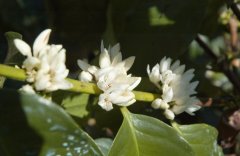
The Main Types of Specialty Coffee Explained
If you’ve ever wondered why some coffees taste bright and complex while others are bitter and flat, the answer often starts with the coffee plant itself. Not all coffee is created equal — and understanding the major species and varieties is the first step toward appreciating what makes specialty coffee truly special.
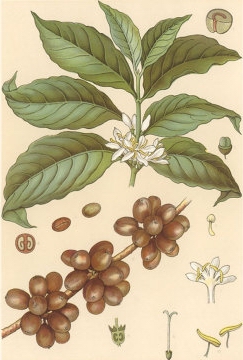
There are at least 100 known coffee species, but only four play a meaningful role in the specialty market: Arabica, Robusta, Liberica, and Excelsa. Of these, Arabica dominates the high-end scene, with just a handful of its varieties making up most sought-after coffees worldwide.
The Big Four Coffee Species
Coffee belongs to the Rubiaceae family, genus Coffea — a group that includes over 100 species. But in specialty coffee, only four matter significantly:
- Arabica: Elegant, nuanced flavors. Accounts for over 60% of global production and is the foundation of specialty coffee.
- Robusta (or Canephora): Harsh, bitter taste, high caffeine. Not considered specialty grade due to its harsh cup quality.
- Liberica: Tall trees, found mainly in West Africa and Malaysia. Rare in the market and almost never seen in specialty shops.
- Excelsa: Very limited availability, no standard Chinese translation. Also uncommon in specialty channels.
Arabica: The Heart of Specialty Coffee
Within Arabica, there are numerous cultivated varieties, many derived from just two ancient Ethiopian types: Typica and Bourbon. These were brought to the Americas and Asia, where they mutated or were crossbred into the diverse range of flavor profiles we enjoy today. Most specialty-grade Arabica comes from carefully cultivated, high-elevation versions of these plants.
Key Arabica Varieties and Mutations
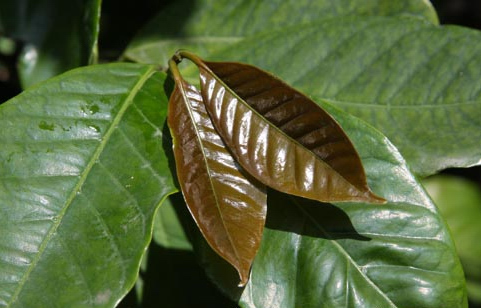
- Typica: The original Ethiopian variety from which most Arabica descends. Known for its oval or pointed beans, bronze-tipped leaves, and delicate flavors. Grown in Jamaica Blue Mountain, Sumatra Mandheling, and Hawaii Kona. Low yield and susceptible to disease.
- Bourbon: A mutation of Typica, first found in Yemen and later cultivated on Bourbon Island (now Réunion). Rounder beans than Typica. Spread to Brazil and the Americas by the 1700s. Consistently scores well in cuppings.
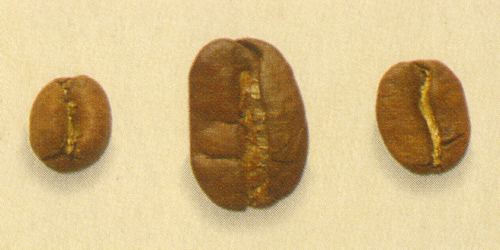
- Bourbon Pointu (Slim Bourbon or Pointu): A rare mutation discovered in 1810 on Bourbon Island. Has needle-like beans and about half the caffeine. Delicate but very low-yielding; mostly found in lab settings.
- Maragogype (Elephant Bean): A large-bean Typica variant first found in Brazil’s Bahia state in 1870. Beans can be over three times normal size. Performs better at high altitudes with sweet, mild acidity. Weaker flavor at lower elevations.
- Geisha (or Gesha): A Typica-family variety from Ethiopia’s Gesha region. Gained fame after being planted in Panama in the 1960s and winning awards by 2005. Known for floral, tea-like, and citrusy profiles.
- SL28 and SL34: Kenyan cultivars selected by British researchers in the early 1900s. Thrive in Kenya’s high-phosphate soils, producing iconic sharp acidity and fruity complexity. Don’t perform well outside Kenya.
- Yellow Bourbon: A Brazilian Bourbon mutation where cherries ripen yellow instead of red. Also seen in other Bourbon-derived varieties in the region.
- Caturra: A natural Bourbon mutation found in Brazil in the 1950s. More productive and disease-resistant than Bourbon, and doesn’t require shade. Flavor is similar or slightly inferior.
- Pacas: A 1935 mutation of Bourbon discovered in El Salvador. Higher-yielding and selected for productivity.
- Villa Sarchi: A Bourbon mutation from Costa Rica, first noted in the 1960s. Frequently appears in high-scoring cuppings recently.
Arabica Hybrids (Within the Species)
These are crosses between different Arabica varieties, usually bred for improved traits.
- Mundo Novo: A natural cross between Bourbon and Typica, common in Brazil. High-yielding and disease-resistant but tall and hard to harvest.
- Catuai: A cross between Mundo Novo and Caturra. Compact plant, wind-resistant, but often bland in the cup.
- Pacamara: A cross between Pacas and Maragogype. Huge beans, second only to Elephant Bean. Developed in El Salvador in the 1950s. Recent cupping results have been promising.
- Kent: An Indian Typica hybrid. High-yield and disease-resistant, but not outstanding in flavor.
Arabica × Robusta Hybrids (Between Species)
These are crosses between Arabica and the harsher Robusta species. Generally not considered specialty-grade due to flavor limitations, though they may appear in commercial blends.
- Timor: A natural hybrid found in East Timor with 44 chromosomes (closer to Arabica). Neutral flavor profile.
- Catimor: A 1959 cross between Caturra and Timor. Highly resistant to rust but often lacks cup quality. Common in commercial production.
- Icatu: A multi-generation Brazilian hybrid that once ranked in Brazil’s “Cup of Excellence” top ten.
- Ruiru 11: A high-yield Kenyan hybrid developed in 1985, with little focus on cup quality.
None of the Arabica-Robusta hybrids are regarded as specialty coffee. Many commercial roasters use them in blends to reduce cost, but they rarely appear in single-origin offerings from specialty-focused roasters like FrontStreet Coffee.
Why Variety Matters in Specialty Coffee
The variety of coffee plant significantly influences the flavor, aroma, and body of the brewed cup. Factors such as altitude, soil, and processing methods interact with the plant’s genetics to shape your coffee experience. That’s why a Geisha grown in Panama tastes radically different from a Bourbon grown in Brazil — even though both are Arabica.
Certain varieties, like SL28, Geisha, and Typica, have become famous for unique flavor profiles that elevate them to specialty status. Others, like Caturra and Catuai, are valued more for their farming practicality than their cup complexity.
Frequently Asked Questions
What is the most common coffee species in specialty coffee?
Arabica is the dominant species in specialty coffee, making up over 60% of global production and nearly 100% of specialty offerings due to its nuanced flavors and higher growing standards.
What’s the difference between Arabica and Robusta?
Arabica is known for its delicate, complex flavors and lower caffeine content, while Robusta is harsher, more bitter, and has nearly double the caffeine. Robusta is not considered specialty grade.
Which coffee variety is known for winning cupping competitions?
Geisha (Gesha), originally from Ethiopia and made famous in Panama, is renowned for its floral, citrus, and tea-like profile and has consistently performed well in global cupping competitions since the mid-2000s.
Are hybrid coffee varieties ever considered specialty?
Most Arabica-Arabica hybrids (like Pacamara or Catuai) can be specialty if grown and processed with care. However, Arabica-Robusta hybrids (like Catimor or Ruiru 11) are generally not considered specialty due to their simpler, often harsher cup profiles.
What’s the deal with yellow bourbon?
Yellow Bourbon is a mutation of Bourbon where the coffee cherries ripen yellow instead of red. It’s primarily found in Brazil and sometimes produces unique cup profiles, though it’s still part of the broader Bourbon family.
Why are some coffee varieties only grown in certain places?
Flavor expression in coffee is highly dependent on terroir — the interaction of variety, altitude, climate, soil, and processing. That’s why a Typica grown in Jamaica (like Blue Mountain) can taste very different from Typica grown elsewhere.
FrontStreet Coffee Varieties for Single-Origin Fans
Explore the diversity of Arabica with FrontStreet Coffee’s single-origin offerings. Try the Panama Geisha (Ethiopia Humbera-inspired profile, floral and citrusy), the Kenya AA (highlighting SL28 and SL34 with intense acidity and blackcurrant notes), and the Honduras Finca La Esperanza (Caturra/Pacas blend with balanced sweetness and stone fruit). Each shows how variety shapes flavor. Freshly roasted within 5 days · Orders placed before 17:00 ship the same day · Next-day delivery across most of Guangdong Province.
FrontStreet Coffee is a long-established specialty coffee roaster in Guangzhou China, selling freshly roasted beans from its own farm in Yunnan as well as dozens of carefully selected single-origin beans from around the world for both pour-over and espresso. The products deliver consistently excellent quality and great value, with shipping within 24 hours. Guangzhou's FrontStreet Coffee shop is recommended by many coffee lovers, and the beans are now available online at the Tmall 。
Important Notice :
前街咖啡 FrontStreet Coffee has moved to new addredd:
FrontStreet Coffee Address: 315,Donghua East Road,GuangZhou
Tel:020 38364473