How to Choose Fresh Specialty Coffee Beans by Size and Roast
Picking the right coffee beans can feel overwhelming. Especially when terms like "grade," "size," and "freshness" get thrown around without clear explanations. Whether you're buying single origins or just want to understand what makes your daily cup better, knowing how to evaluate coffee beans matters more than you think.
If you want richer, more aromatic coffee, go for larger beans within the same origin—they typically come from higher grades and taste more vibrant. But don’t assume bigger always means better: grading systems vary, and many commercial lots mix beans of different sizes.
Coffee Bean Size and Flavor: What’s the Difference?
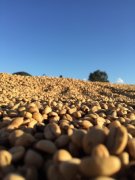
For any given coffee variety, larger beans are graded higher and generally more expensive. They also tend to have a richer, more intense flavor. Smaller beans fall into lower grades, are cheaper, and usually offer a lighter profile. However, grading isn’t always strict—especially outside premium lots. For example, the central grade may account for 60% of a harvest, while beans one grade larger and one grade smaller may each make up around 20%. This variation means that if you roast based on the “central” grade, nearly 40% of the batch may not roast optimally.
How to Test Coffee Bean Freshness in 3 Steps
Freshness is critical to coffee quality—it’s essentially the coffee’s lifespan. To judge bean freshness, follow this simple three-step method: smell, look, and peel.
1. Smell
Bring the beans close to your nose and take a deep breath. Fresh beans have a clear, vibrant coffee aroma. If the scent is weak or you detect oily or rancid notes, the beans are stale. Stale beans won’t produce a great cup, no matter how well you grind or brew them.
2. Look
Spread the beans on a flat surface and inspect them. Check the origin and variety, and examine roast consistency. Uneven roast distribution will show up visually and affect flavor development.
3. Peel (Crack Open a Bean)
Take a single bean and try to break it apart with your fingers. Fresh beans crack easily with a crisp, snapping sound. Stale beans feel tough and resist breaking. Also, inspect the inner and outer color of the bean. Uniform color means even roasting. If the exterior is noticeably darker than the inside, the roast may have been too hot, which can degrade aroma and flavor complexity.
New vs. Aged Coffee Beans: What Changes Over Time?
The difference in flavor between freshly harvested (new) and older (aged) beans of the same origin and roast level is significant. New beans are more aromatic and flavorful. While storing beans for years causes moisture loss and lightens their color, the aromatic compounds degrade more noticeably than visual traits. That said, even aged beans retain some baseline characteristics, though they’ll lack the brightness of fresh crop coffees.
Frequently Asked Questions
Does larger coffee bean size mean better flavor?
Yes, for the same coffee variety, larger beans usually come from higher grades and often taste richer and more aromatic. However, grading standards vary, and not all large beans guarantee premium quality—especially when batches are mixed.
How can I tell if my coffee beans are fresh?
Use the smell, look, and peel test. Fresh beans have a strong coffee aroma, even roast color, and snap cleanly when broken. Stale beans smell weak or oily, show uneven roasting, and are hard to crack.
What’s the difference between new and old coffee beans?
New beans are fresher, more fragrant, and have brighter flavors. Aged beans may look similar but often lose aromatic intensity and complexity over time, even if their color remains relatively unchanged.
Does roast level affect how I should assess bean freshness?
Yes. Roast level influences how quickly beans lose freshness. Darker roasts can mask some age-related decline, but all roasted coffee is best used within weeks to a few months post-roast for optimal flavor.
Why do some beans in a bag look or taste different?
This can happen due to inconsistent grading or mixing of different bean sizes and qualities within the same lot. Central-grade blends might include a range of bean sizes, leading to uneven roast and flavor profiles.
Recommended FrontStreet Beans for Freshness & Size Evaluation
Try FrontStreet’s Ethiopia Huakui for bright floral and citrus notes typical of high-quality beans, and their Yirgacheffe for vibrant citrus and berry acidity that highlights freshness. For a smoother, balanced cup, their Brazil Queen Manor shows how medium-grade beans can still shine when fresh. These beans are ideal for learning how size and roast freshness impact flavor. Freshly roasted within 5 days · Orders placed before 17:00 ship the same day · Next-day delivery across most of Guangdong Province.
FrontStreet Coffee is a long-established specialty coffee roaster in Guangzhou China, selling freshly roasted beans from its own farm in Yunnan as well as dozens of carefully selected single-origin beans from around the world for both pour-over and espresso. The products deliver consistently excellent quality and great value, with shipping within 24 hours. Guangzhou's FrontStreet Coffee shop is recommended by many coffee lovers, and the beans are now available online at the Tmall 。
Important Notice :
前街咖啡 FrontStreet Coffee has moved to new addredd:
FrontStreet Coffee Address: 315,Donghua East Road,GuangZhou
Tel:020 38364473