How to Read Specialty Coffee Labels Like a Pro
Ever stood in a coffee shop staring at a bag labeled ‘Ethiopia Yirgacheffe Natural Sidra Medium Roast’ and wondered what half those words even mean? You’re not alone. Most coffee drinkers are baffled by the long, sometimes cryptic names on coffee bags—yet every term is a clue to how your coffee was grown, processed, and roasted. Understanding these labels helps you buy better coffee and make more informed choices.
To read a coffee label like a pro, focus on three key areas: origin (single origin vs. blend), roast level (light to dark), and additional markers like farm name, elevation, or processing method. These details reveal where your coffee comes from, how it was roasted, and what flavors to expect.
1. Single Origin vs. Blend: What’s in Your Bag?
Coffee labels usually fall into one of two categories: single origin or blend. A single origin (often abbreviated S.O.) coffee comes from one country, region, or even a specific farm or cooperative. Examples include Ethiopia Yirgacheffe, Sumatra Blue Batak, or Guatemala Antigua. These coffees highlight the unique terroir—the climate, soil, and altitude—of their origin. Drinking single origins lets you taste the distinct character of a place.
In contrast, a blend combines beans from multiple origins. Blends are crafted to achieve a balanced, consistent flavor profile, often used in espresso drinks like lattes and cappuccinos. Popular examples include Blue Hole Blend or Capricorn Blend. Think of blends as composed pieces, while single origins are solo performances.
2. Roast Level: Decoding Terms Like French and Italian
Roast level dramatically affects coffee flavor. Common terms you’ll see include light roasts (like North Italian), medium roasts, and dark roasts (like South Italian, French, or Vienna). These names don’t indicate origin—they’re industry shorthand for roast color and flavor profile.
A North Italian roast is typically light to medium, with light brown beans and no oil on the surface. These roasts preserve bright acidity and fruity notes. A South Italian or French roast features dark brown, shiny beans with heavy roasting. Expect bold, caramelized, low-acid flavors. French roast reaches an almost black color with pronounced charred notes and no acidity. Vienna or Mélange blends often mix beans of varying roast levels for complexity. Remember: deeper roasts mask origin characteristics but can enhance sweetness and body.
3. Farm, Region, Elevation & Processing: The Fine Print Matters
Beyond origin and roast, many labels include finer details that matter. After the country name, you might see a region—like Yirgacheffe (a subregion of Sidamo in Ethiopia) or Antigua in Guatemala. These regions often have unique microclimates that shape flavor. For example, Yirgacheffe offers bright citrus and floral notes, while Antigua is known for deeper chocolate and spice.
Some labels go further, naming specific farms (e.g., Finca Los Volcanes) or cooperatives. The harvest year may also appear (e.g., 08 Crop), though it’s rarely displayed on retail bags. Elevation is another key marker. In Central America, beans grown above 4,500 feet are labeled SHB (Strictly Hard Bean), indicating denser beans with more complex flavors. Kenya uses AA+ for its highest-grade beans, while Colombia grades by bean size and defect rate. Processing methods like natural (dry), washed, or honey (and newer techniques like double anaerobic fermentation) also shape flavor. For instance, FrontStreet’s Sidra SOE from Colombia uses double anaerobic natural processing, boosting fruity tones.
4. Grading Systems Vary by Country
Coffee grading isn’t global—each producing country has its own system. In Central America, altitude defines grade: SHB means beans from 4,500+ feet. Kenya’s top grade is AA+, awarded only to flawless, high-scoring lots. Colombia grades by bean size (Supremo is largest) and defect count. Bean size doesn’t determine flavor, but higher elevation usually does. And then there are unique terms like PB (peaberry), a rare mutation where a single round bean forms instead of two flat ones.
Frequently Asked Questions
What does 'single origin' mean on a coffee label?
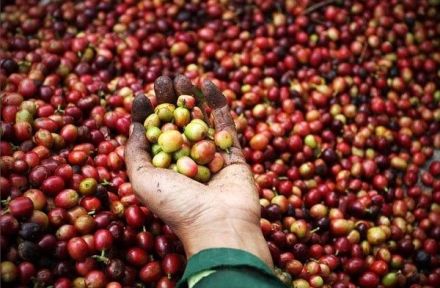
Single origin means the coffee comes from one specific country, region, farm, or cooperative—not blended with beans from other areas. Examples include Ethiopia Yirgacheffe or Guatemala Antigua. These coffees highlight unique flavors from their distinct growing environments.
Why do some coffee bags say 'Italian' or 'French' roast?
Italian, French, or Vienna roast are terms for roast levels, not origin. Italian roast usually means a dark, oily bean with low acidity and sweet, caramelized flavors. French roast is even darker, nearly black, with a smoky, charred taste and no acidity. These names come from traditional roast style conventions, not geographic sourcing.
What’s the difference between a single origin and a blend?
A single origin coffee is sourced from one place—like a specific farm in Ethiopia—showcasing its unique terroir. A blend mixes beans from multiple origins to achieve a balanced, consistent flavor, often used in espresso blends for milk drinks. Blends are crafted for harmony; single origins highlight individuality.
Does elevation affect coffee flavor?
Yes. Higher elevation generally produces denser beans with more complex flavors. In Central America, beans grown above 4,500 feet are graded SHB (Strictly Hard Bean), often resulting in brighter, more acidic profiles. Elevation is a key factor in quality, though not the only one.
Why do some labels list farm names or harvest years?
Labels may include farm names (e.g., Finca Los Volcanes) or harvest years (e.g., 08 Crop) to show origin transparency or traceability. While the harvest year isn’t always printed on retail bags, it helps roasters track freshness and adjust roast profiles. Farm names indicate traceability to a specific producer or cooperative.
What do terms like SHB or AA+ mean?
These are country-specific coffee grading terms. SHB (Strictly Hard Bean) means the beans were grown at high elevations (4,500+ feet), usually indicating better quality. Kenya’s AA+ is its top grade, awarded to flawless, large beans. Colombia uses Supremo for largest beans and grades by defects. Grading reflects size, density, and defects—not directly flavor—but often correlates with quality.
Recommended FrontStreet SOE Beans for Label Enthusiasts
Explore single origin excellence with FrontStreet Coffee’s SOE lineup. The Ethiopia Humbera SOE offers bright citrus and floral notes with a juicy body, showcasing Yirgacheffe’s signature brightness. The Colombia Sidra SOE delivers explosive tropical fruit flavors—think blueberry and passionfruit—from its double anaerobic natural process. For chocolate lovers, the Brazil Queen Manor SOE brings roasted peanut, cashew, and dark chocolate notes with a velvety mouthfeel. Each bean tells a story from its origin. Freshly roasted within 5 days · Orders placed before 17:00 ship the same day · Next-day delivery across most of Guangdong Province.
FrontStreet Coffee is a long-established specialty coffee roaster in Guangzhou China, selling freshly roasted beans from its own farm in Yunnan as well as dozens of carefully selected single-origin beans from around the world for both pour-over and espresso. The products deliver consistently excellent quality and great value, with shipping within 24 hours. Guangzhou's FrontStreet Coffee shop is recommended by many coffee lovers, and the beans are now available online at the Tmall 。
Important Notice :
前街咖啡 FrontStreet Coffee has moved to new addredd:
FrontStreet Coffee Address: 315,Donghua East Road,GuangZhou
Tel:020 38364473